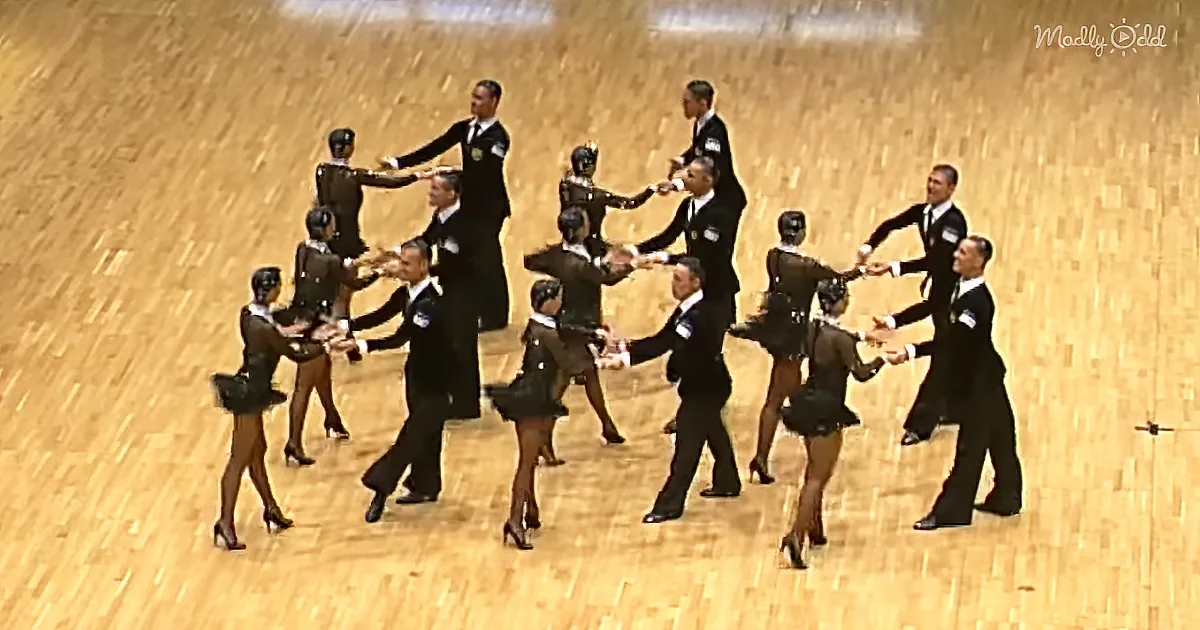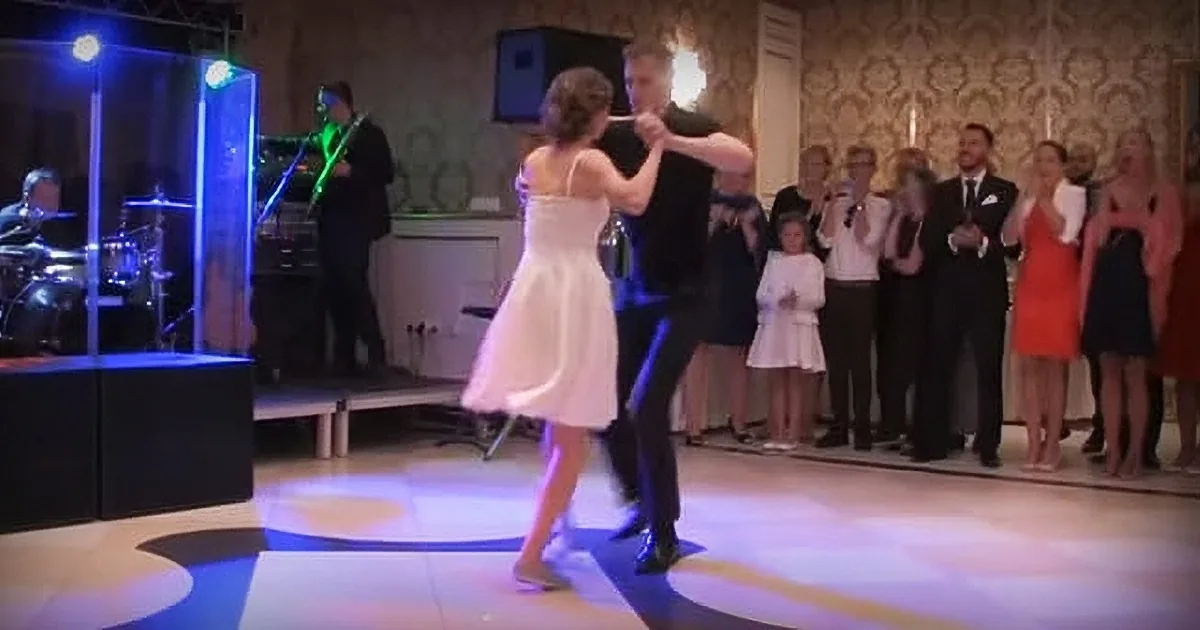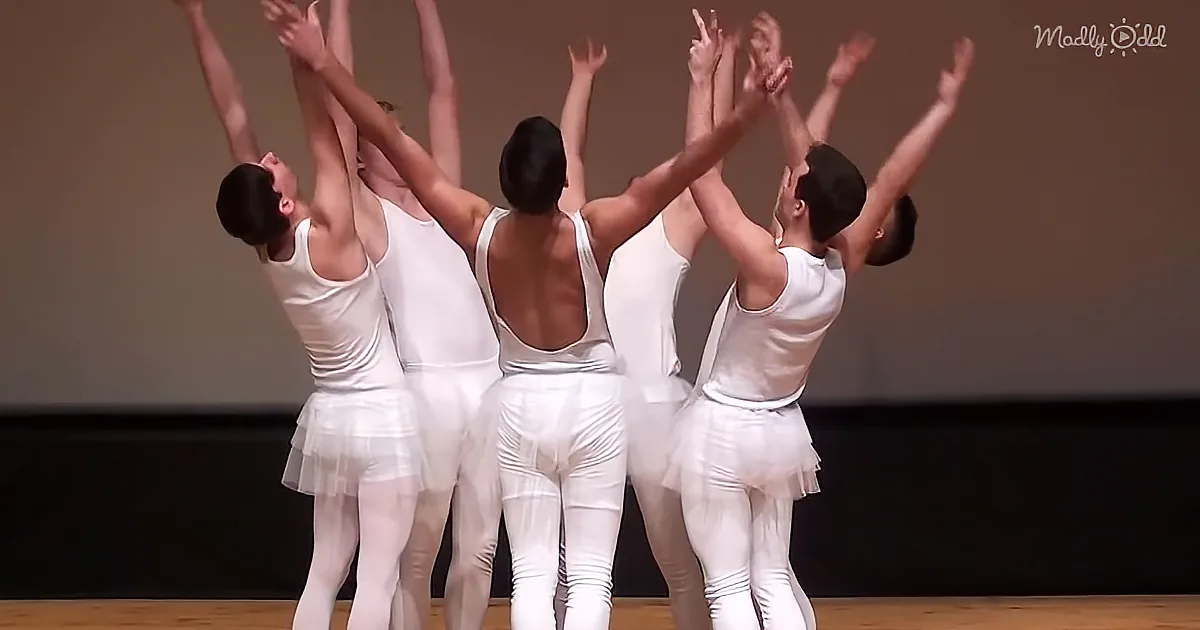

Ever seen such waltzing that remains forever carved in your mind? This scenario was the case of the Stanford Viennese Ball that happened only recently. The ball took off with several programs and ended with an event that none would ever forget.
Stanford-In-Austria is a cultural program facilitated by the Ivy League University. The program traces its history to the cultural diversity of students in 1978. Students, back then, would perform local traditions they had learned.
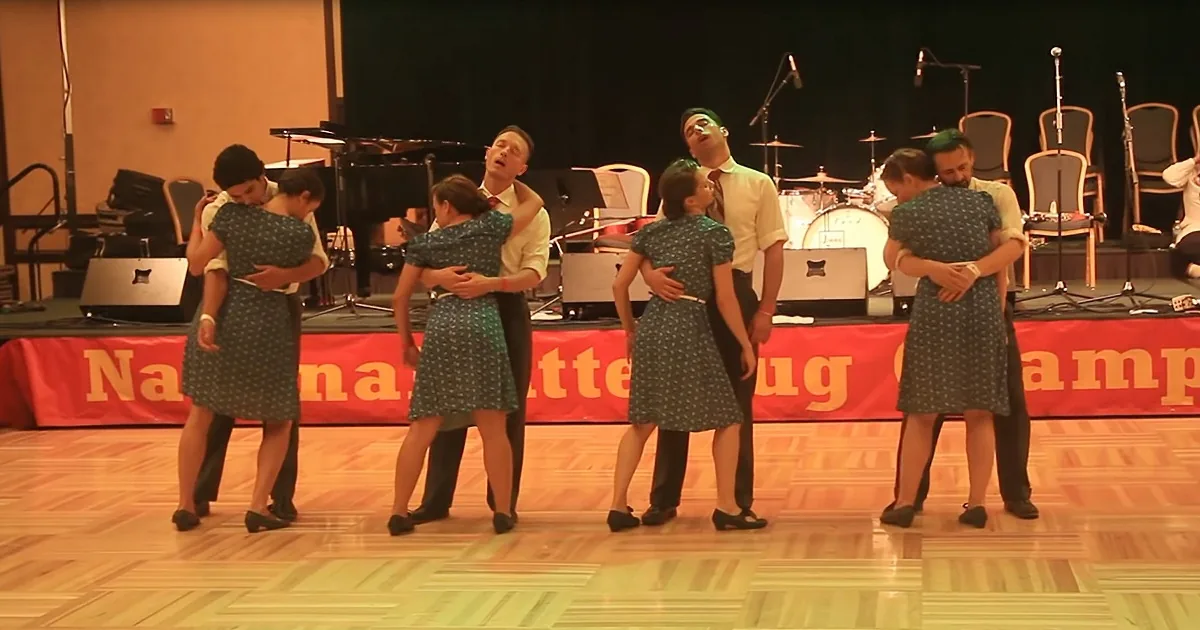
The performance kept going until it worked its way into the present-day annual Stanford Viennese Ball. Students and guests attending the event waltzed the evening into the morning, listening to live orchestra and performances from swing dancers.
Aside from the choreography of steps and dance, the event ensured a lot to drink and eat. Guests did not lack in merry, and participants had a good time showing their rich Austrian dances, marked with wine and roasted pig.
The show boasts over 1000 guests attending every year. While this is a testament to its novelty and pageantry, its history also lends credence to the publicity. In all of the show's grandeur, one particular performance stood out.
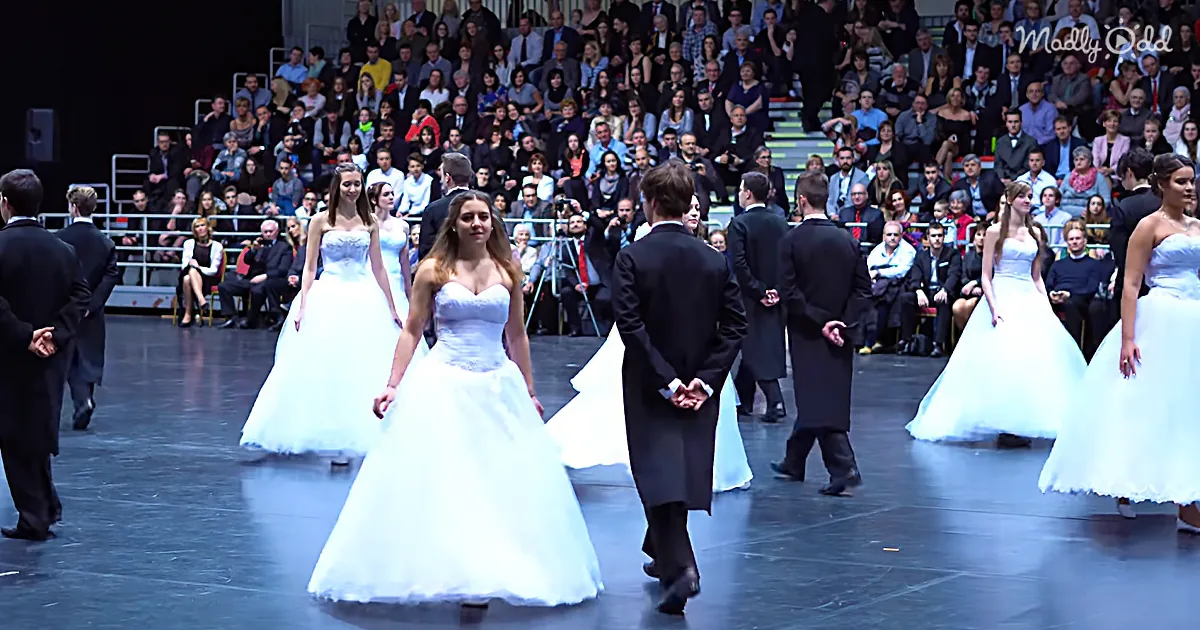
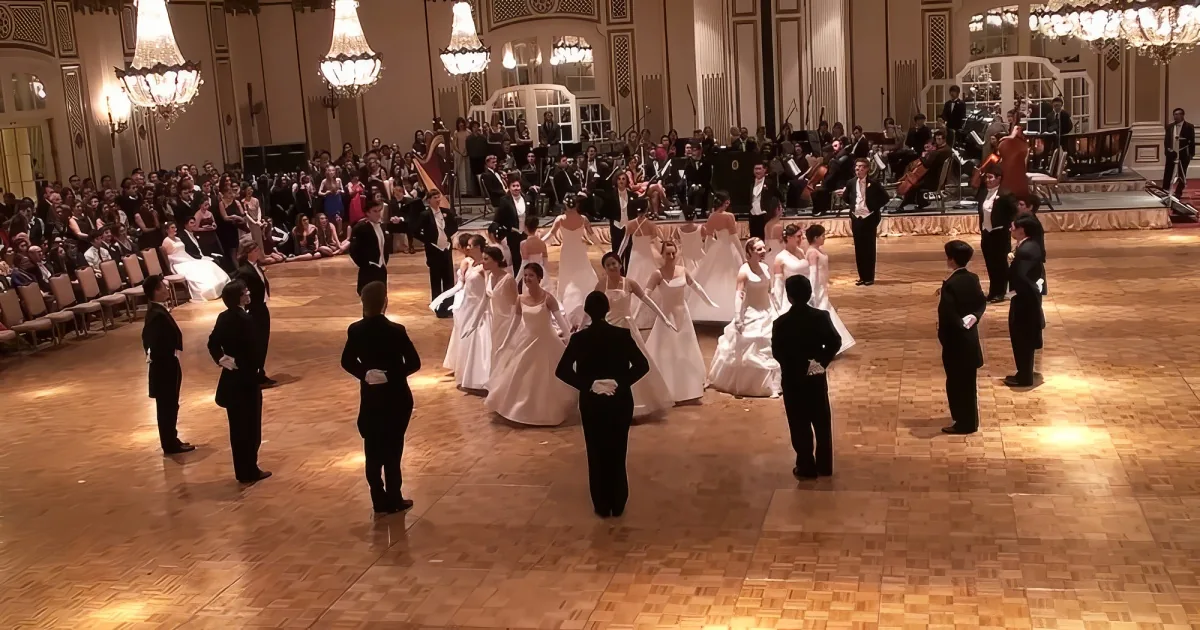
This was the performance written by Johann Strauss II in 1867 and opened by the Standford Viennese Ball Opening Committee. It's titled the Artist's Life or Künstlerleben. The waltz is renowned for its gracefulness.
The piece reflects the joyous moments of the Austrian army. Flagged off with a horn solo and dramatic string passage, the men in tuxedo arrived, standing on each side of the dancefloor. They then bowed their heads to their white-gowned partners and started the waltzing process of dance and memories.