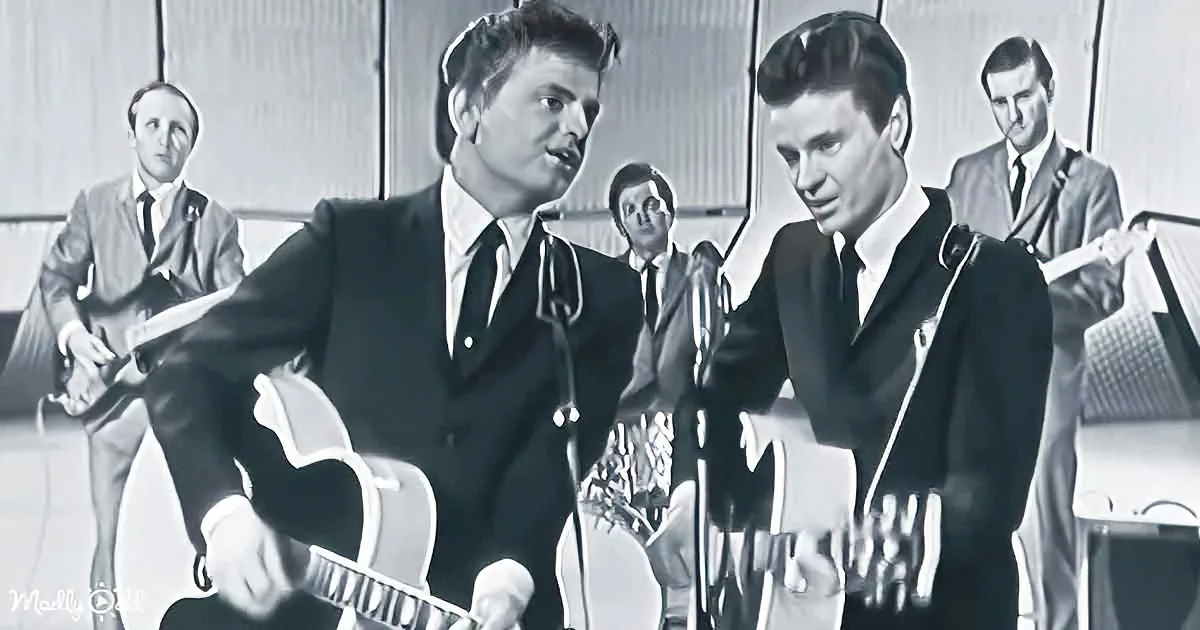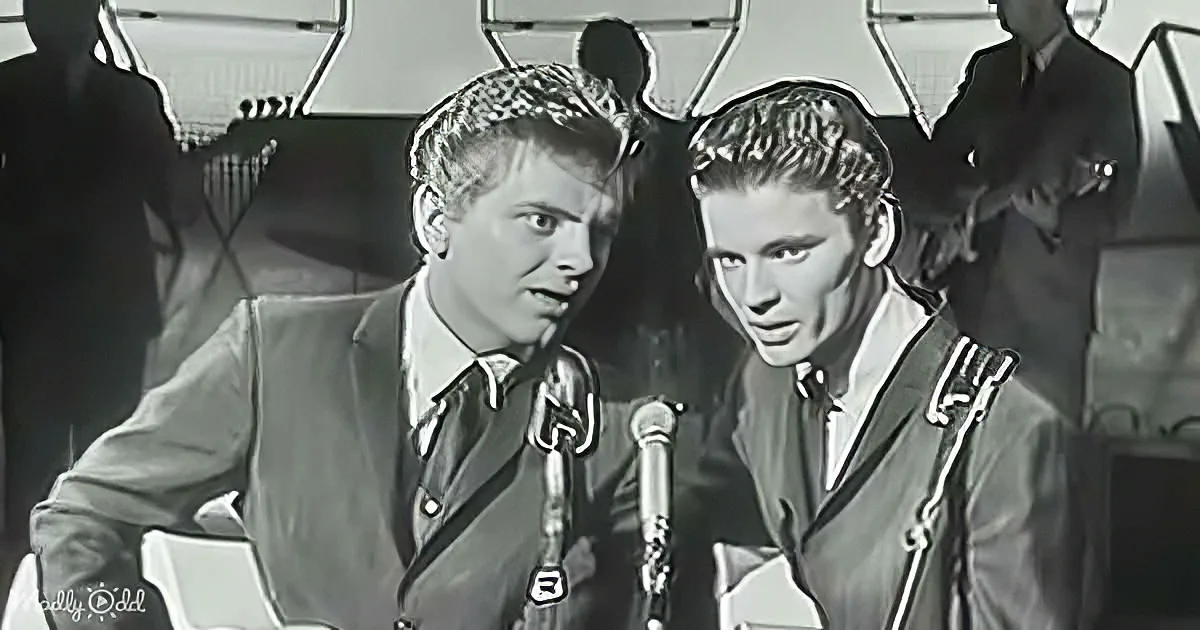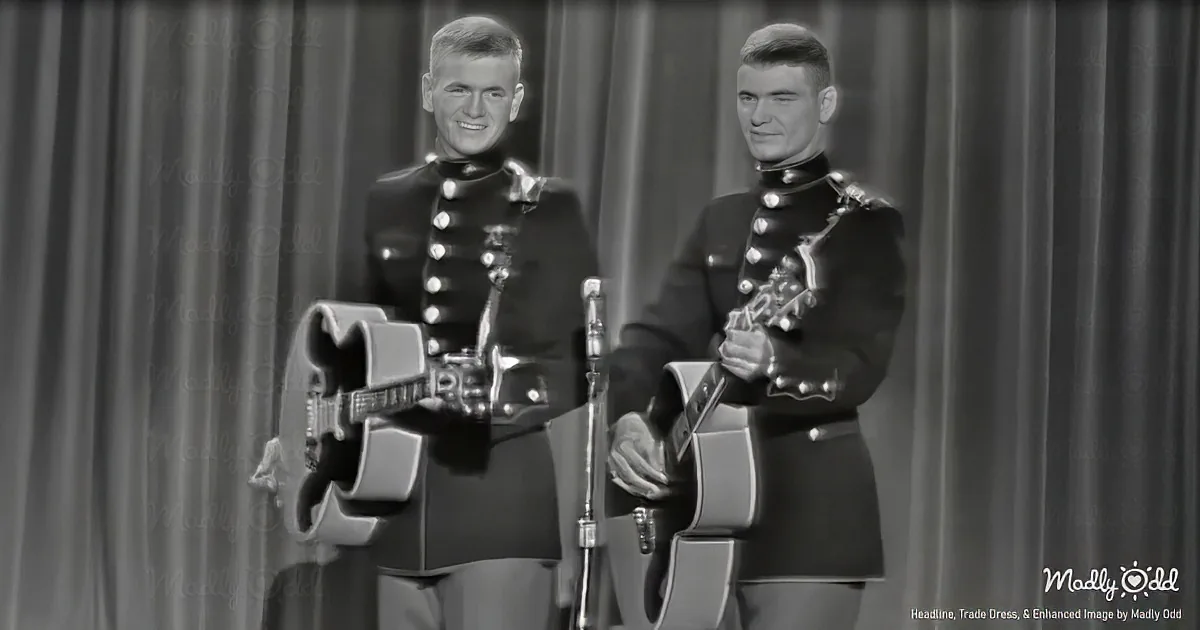
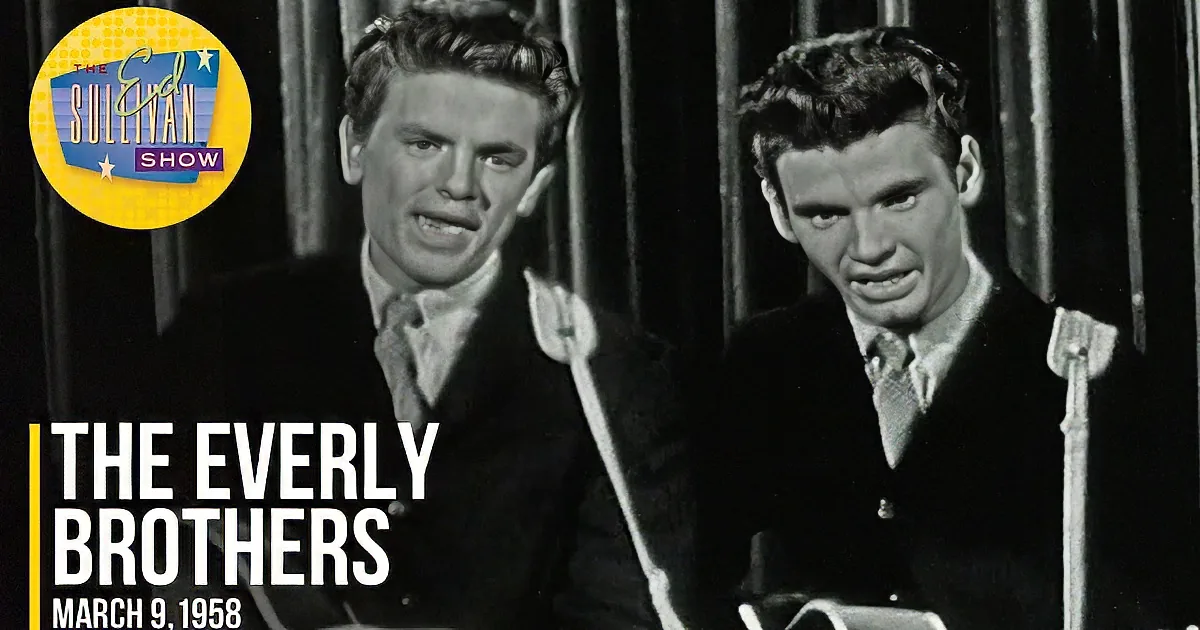
When the Everly Brothers graced the stage on "The Ed Sullivan Show" with their rendition of "Be-Bop-A-Lula" back on March 9, 1958, they did more than perform; they crafted a moment of television and music history. Their harmonies soared beyond the monochrome confines of TV sets, leaving an indelible mark that still resonates today. And now, thanks to a video clip rediscovery, we get to relive this enchanting act.
These two siblings weren't just about good looks and charm. With 15 Top Ten hits under their belts between 1957 and 1962, they produced an extraordinary blend of Appalachian harmonies and rock & roll. They were trailblazers, setting the stage for music icons like the Beatles, Simon & Garfunkel, and the Rolling Stones.
That night, the Everly's took "Be-Bop-A-Lula"—a song first recorded by Gene Vincent and Tex Davis—and made it their own. Their version wasn't just a cover; it was an evolution. The performance that night on Sullivan's stage, with its impeccable Nashville craftsmanship, showed how they could take the country's heart and rock & roll's rebellious soul and meld them into something spectacular.
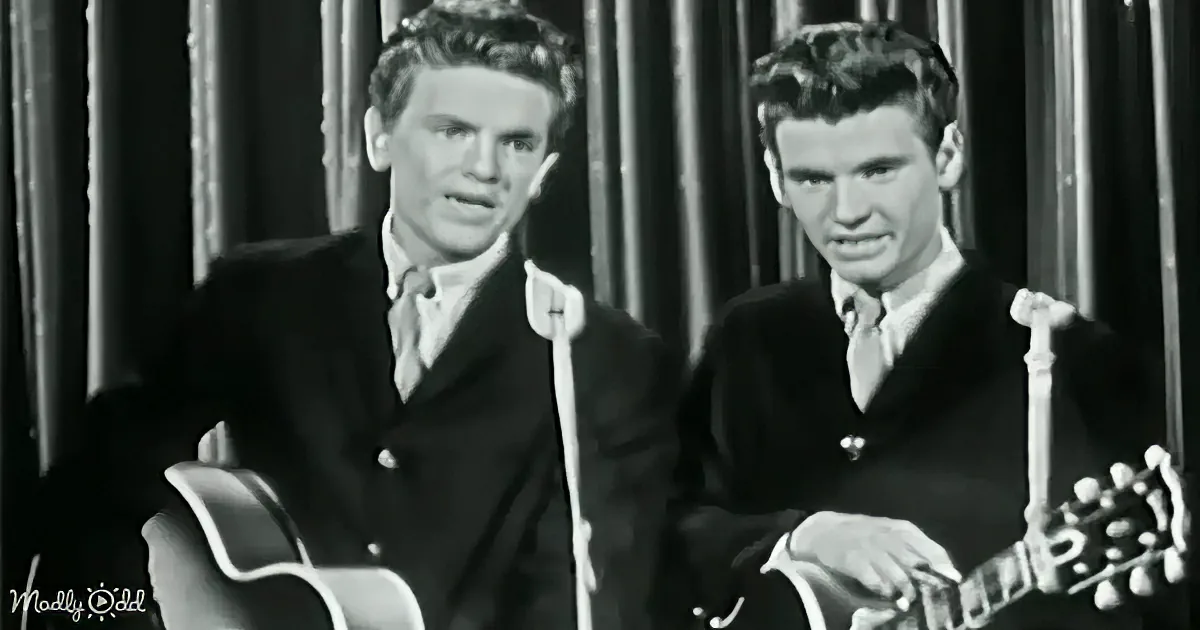
Their Nashville roots may have grounded them, but on "The Ed Sullivan Show," they soared. Decked out in crisp, formal suits, they wielded their guitars as instruments and extensions of their artistry, the big band and trumpet sounds amplifying the allure.
Beyond their musical genius, the Everly Brothers' charisma won hearts. The song they shared with the audience is a glimpse into their personalities—down-to-earth yet brilliant in their simplicity and genuineness. This connection made them more than musicians; they became friends with the audience.
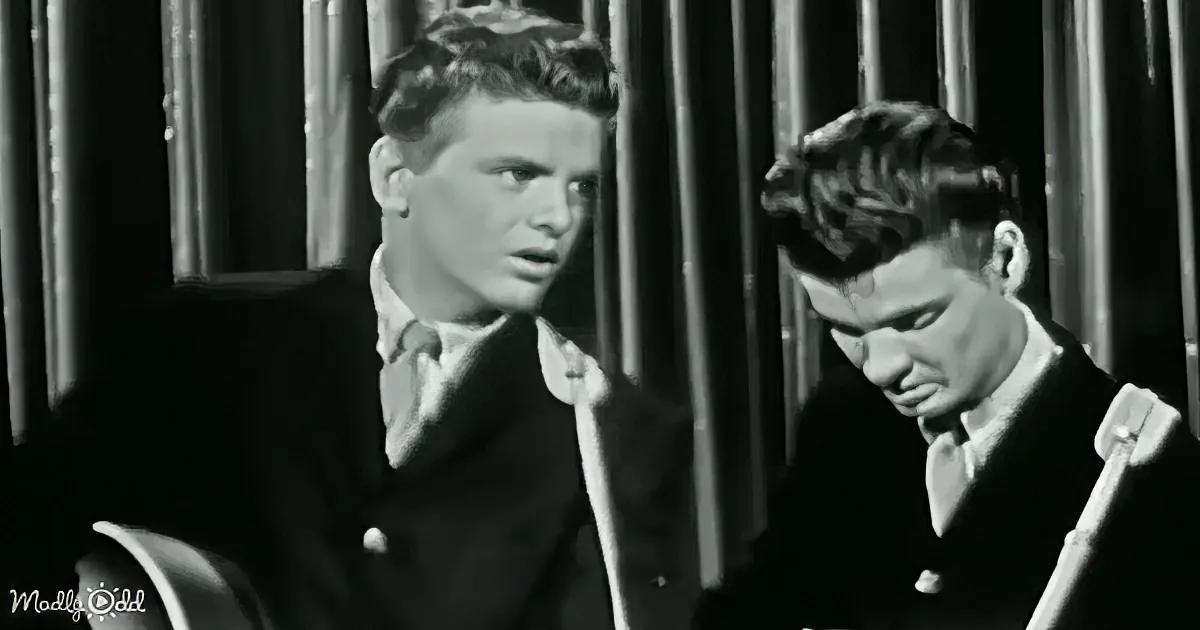
Their influence stretched beyond their time, making country music a part of rock's canvas. They didn't just play music; they invited us to feel, live, and, ultimately, love it. Their performances are timeless, proving that true musicality can traverse decades.