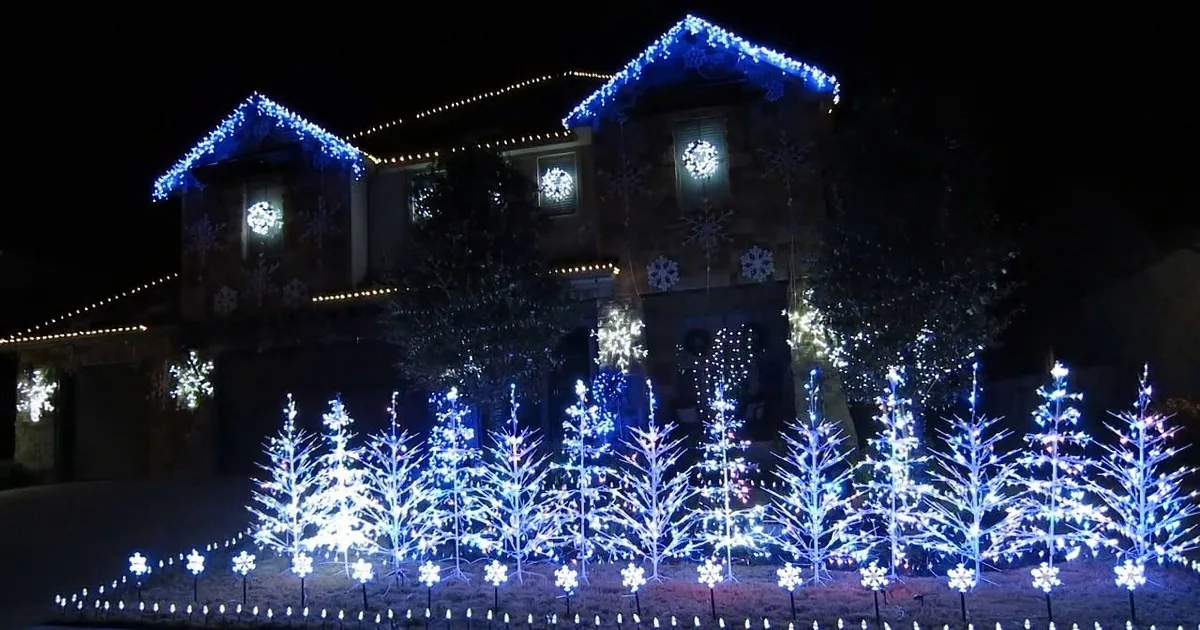

Retro holiday sparkle is making a comeback, and nothing embodies this more than the iconic aluminum Christmas trees. These shimmering beauties, often associated with the mid-20th century, are a symbol of vintage holiday charm and nostalgia.
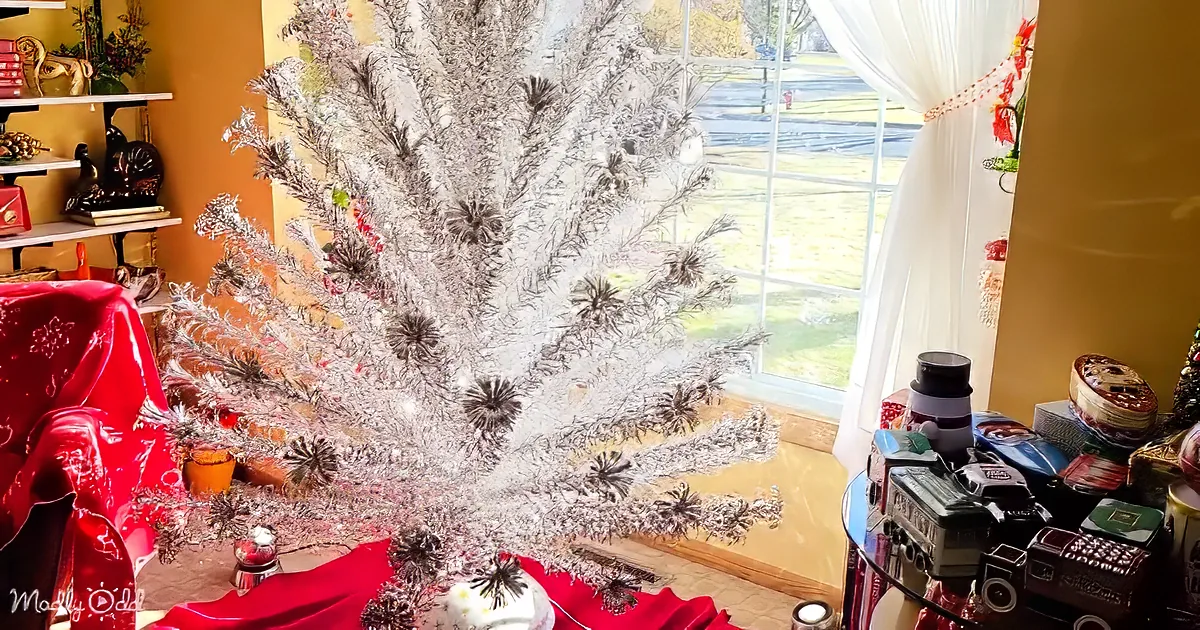
The history of aluminum Christmas trees dates back to the late 1950s and 1960s. Originating in America, these trees were a stark contrast to the traditional green pine or fir trees. They were first produced by the Aluminum Specialty Company in Manitowoc, Wisconsin. Initially, they were a novelty, a symbol of post-war prosperity and a burgeoning interest in modern design. The aluminum tree was designed to be a symbol of the space age and modernity, reflecting the era’s fascination with metals, geometry, and the promises of the future.
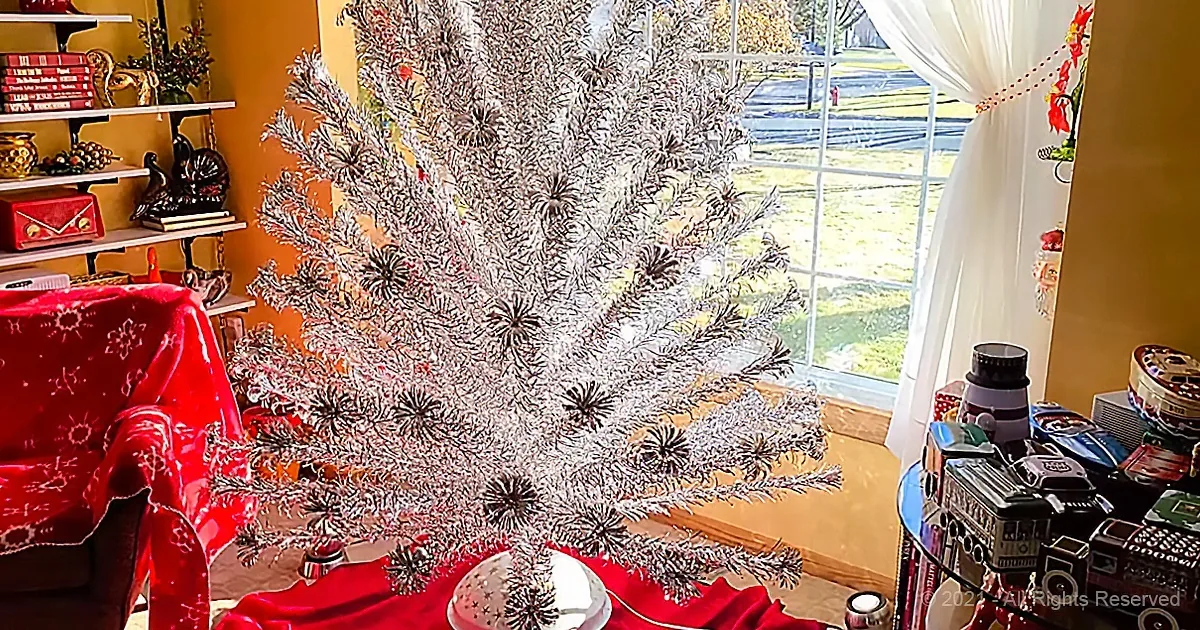
The trees ranged from 2 feet to a towering 8 feet tall and were made of aluminum foil strips attached to wire branches. The most popular color was silver, but they were also available in a range of hues like pink, blue, and gold, catering to a variety of tastes and interior décor styles. The branches were inserted into a wooden or metal pole, giving the tree its shape. The effect was strikingly modern, a ‘futuristic’ take on the traditional Christmas tree.
An interesting fact about these trees is that they were often used with rotating color wheels. As electric lights could be a fire hazard with the metal, the color wheel would bathe the tree in different hues, enhancing the shimmering effect of the aluminum. This created a mesmerizing, almost hypnotic display of colors, transforming the living room into a festive, space-age wonderland.
During their peak popularity, aluminum Christmas trees were seen as a status symbol, a way to break away from tradition and embrace a more modern lifestyle. They were featured in department store windows, holiday parades, and even made appearances in popular culture, including the classic 1965 animated special, "A Charlie Brown Christmas," which depicted them as a symbol of commercialism.
However, by the late 1960s, the popularity of aluminum trees began to wane. The counterculture movement and a return to naturalism saw them as symbols of the commercialization of Christmas. People began to favor the traditional green trees again, yearning for a more authentic holiday experience.
Despite this decline, today, aluminum Christmas trees have regained popularity, especially among collectors and enthusiasts of mid-century modern design. They are cherished for their kitschy charm and as a nostalgic reminder of past Christmases. Vintage models are highly sought after, and reproductions are being made to meet the demand of those looking to add a bit of retro sparkle to their holiday decor.
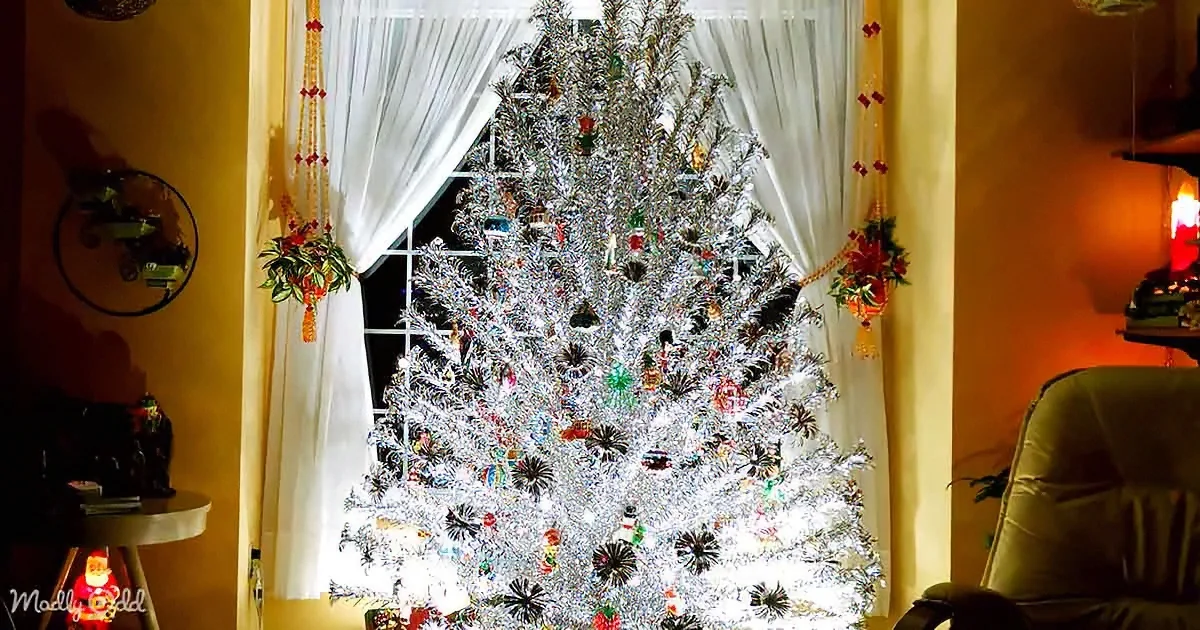
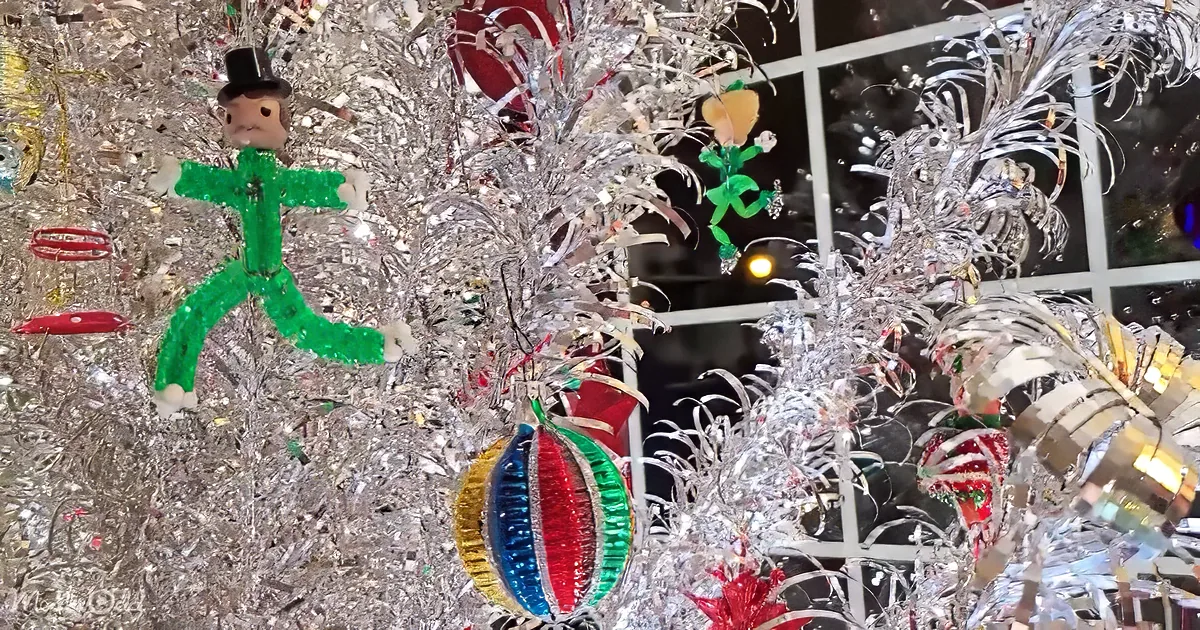
Setting up an Evergleem aluminum Christmas tree is like stepping back in time. These trees are often paired with vintage ornaments – shiny baubles, glass beads, and tinsel – to enhance their retro appeal. Accompanied by relaxing holiday music, the setup process itself can be a delightful and heartwarming trip down memory lane.

As we embrace these vintage beauties, we're not just setting up a Christmas tree; we're reviving a piece of history, a slice of mid-20th century Americana. It’s a reminder of a time when the future was bright, bold, and metallic, and Christmas was about shimmering aluminum branches rather than pine needles.
To truly appreciate the beauty and charm of these retro wonders, take a moment to enjoy this video, showcasing the setup of a vintage Evergleem aluminum Christmas tree, complete with vintage ornaments and holiday tunes that transport you back to a simpler, yet sparkling time.