Do you remember the days when we had to memorize phone numbers? It was a true test of memory, especially when juggling home numbers, friends’ numbers, and important family contacts. Stranded by a pay phone, we relied on our recollection or a handwritten list by the telephone. In a world before smartphones, our minds held all the important numbers we needed, and we always knew who to call.
Answering the phone was a different experience back then, too. Without call screening, every ring brought mystery. There was no way of knowing who might be on the other end, and we answered every call in case it was urgent. Taking messages was a key part of phone etiquette, ensuring the right person received a return call.
Before GPS became our travel companion, paper maps were essential. Every road trip was an adventure of planning and navigating. We studied maps closely, making sure we knew the route and bracing for unexpected detours. With a co-pilot by our side, finding the way was part of the fun, adding excitement to every journey.
For many families, sewing machines were a household staple. The hum of the machine filled the air as mothers and grandmothers crafted clothing from patterns or repaired worn garments. Self-sufficiency was a skill passed down through generations, saving both time and money. Sewing brought creativity into the home, offering a personal touch to the clothes we wore.
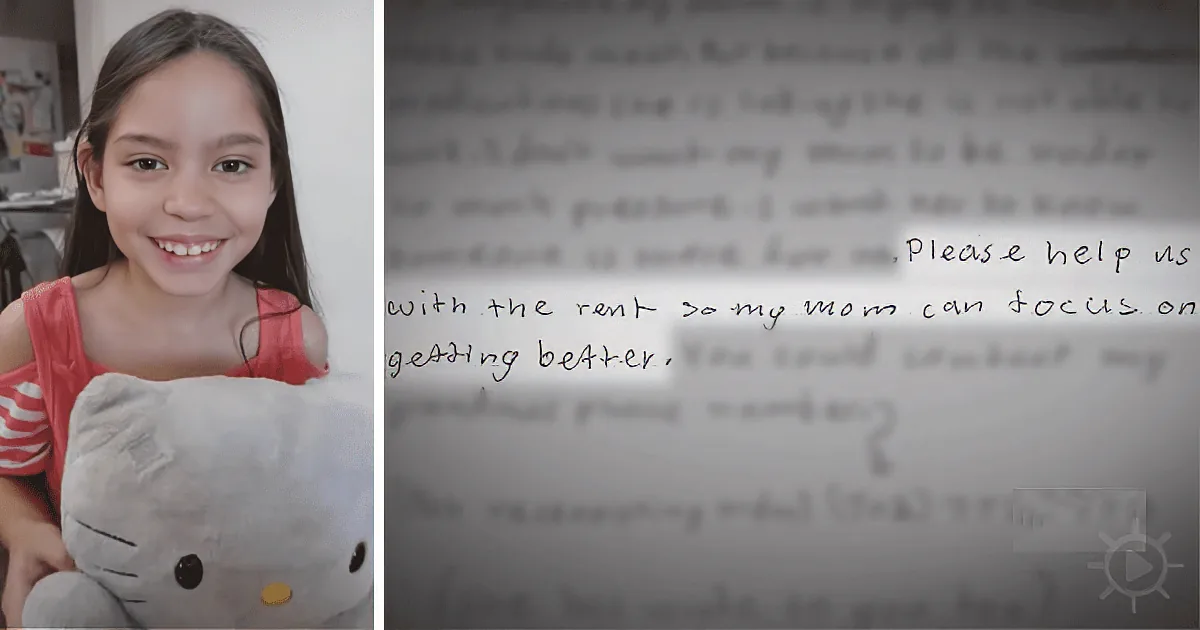
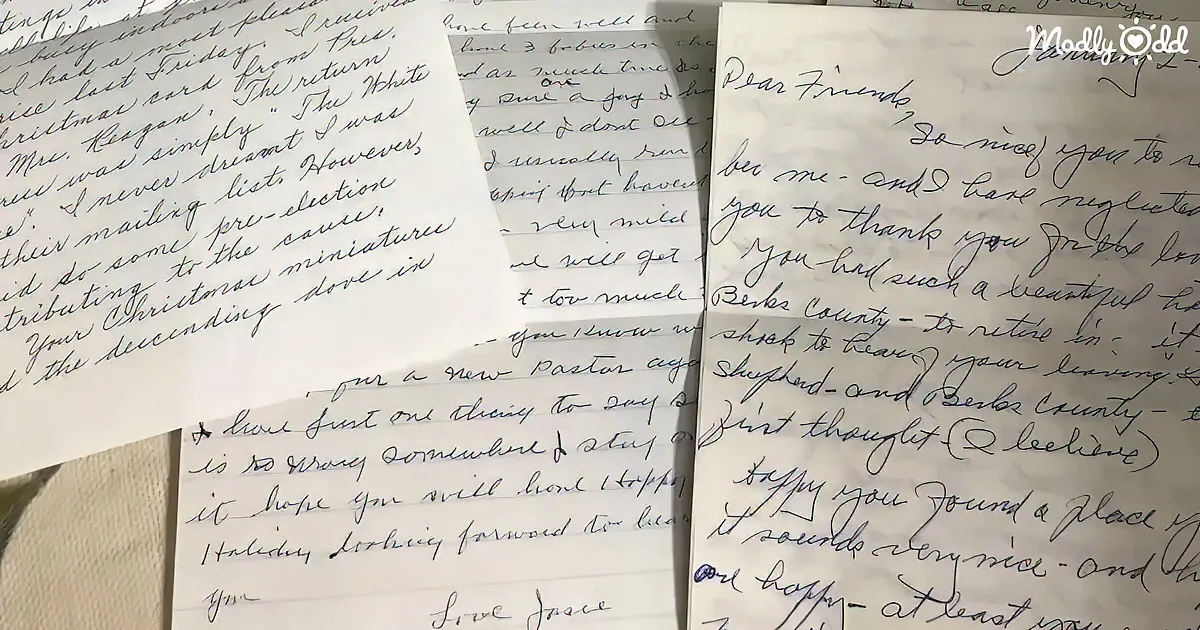
And let’s not forget cursive writing, the elegant form of penmanship that added a personal flair to letters and documents. Cursive was more than just a way of writing; it was an art, with graceful loops and unique flourishes that gave a glimpse of the writer’s personality. We practiced it in school, imitating our parents’ handwriting, a far cry from today’s text messages.
The days of memorizing phone numbers, relying on paper maps, and hearing the hum of a sewing machine remind us of a simpler time. These small details—like answering the phone without knowing who was calling and practicing cursive writing—made daily life feel more personal and connected. Although technology has made many of these practices obsolete, the memories remain cherished, providing a sense of nostalgia for a time when self-reliance, patience, and skill were essential parts of everyday life.