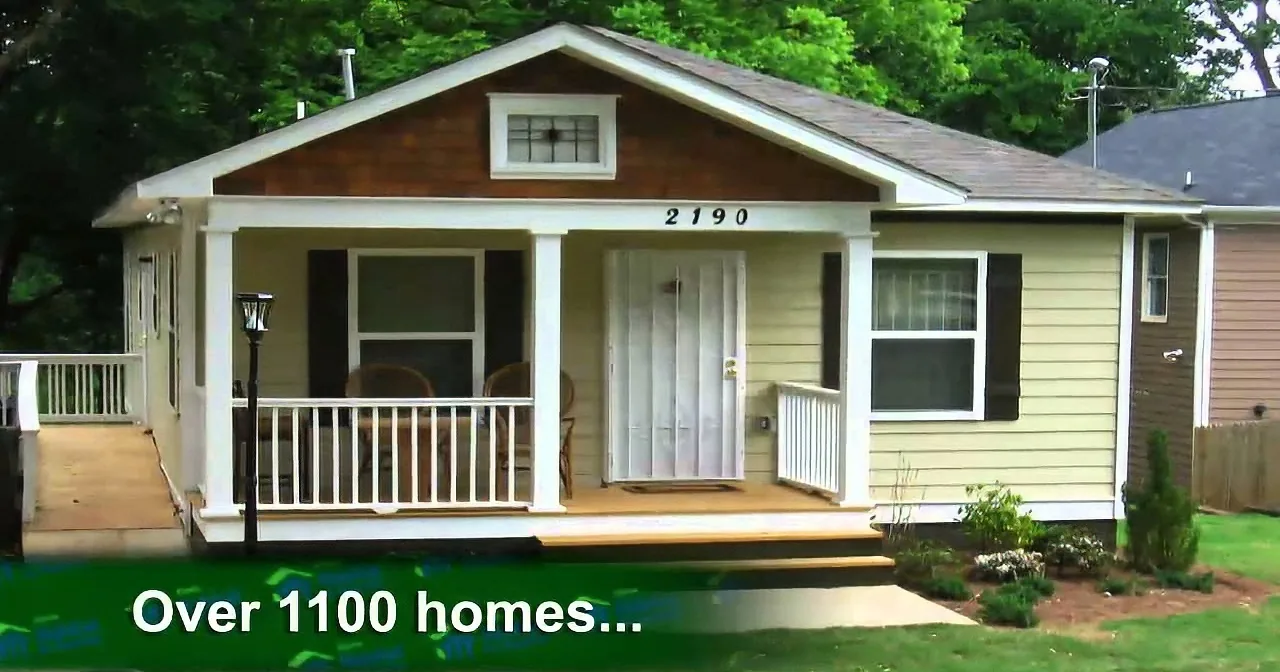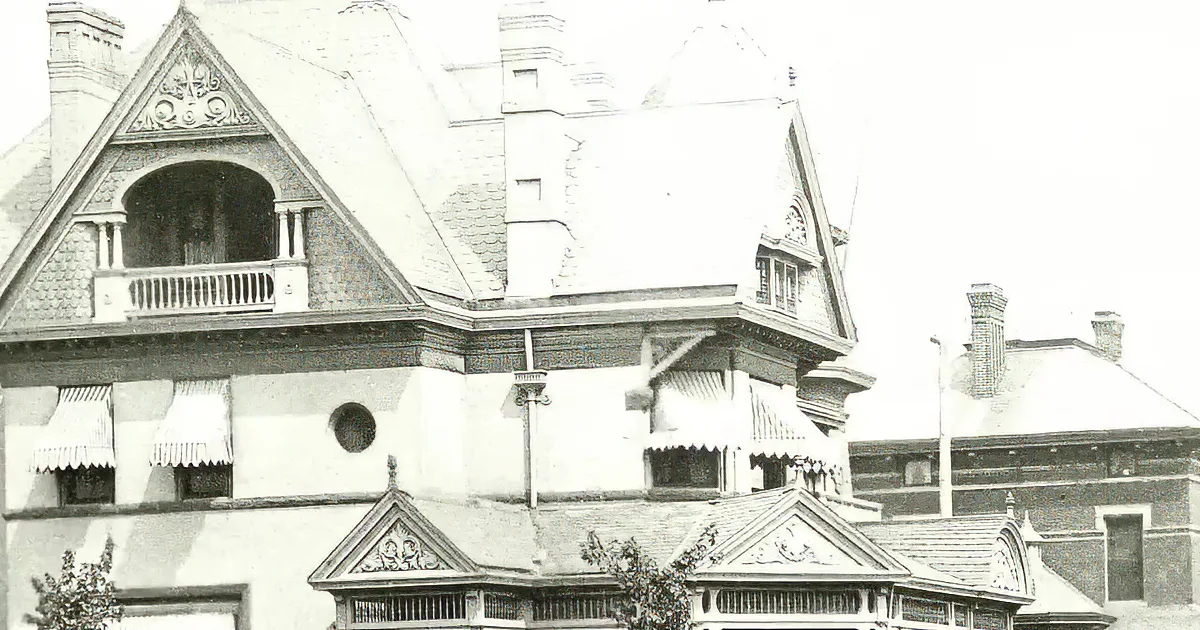
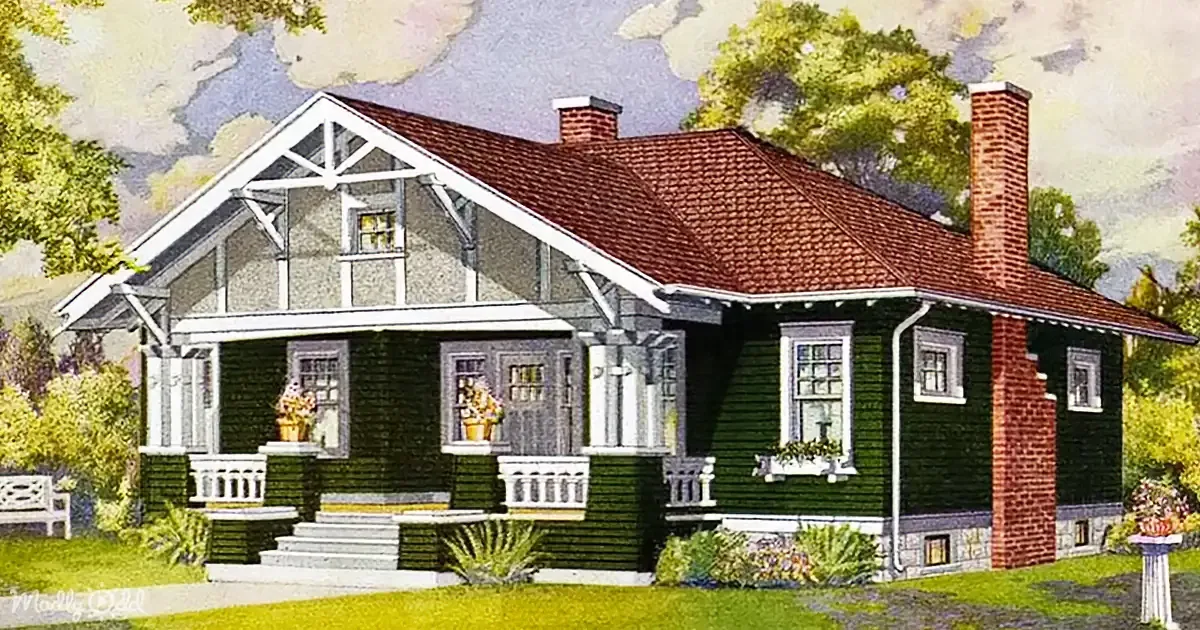
Remember the good ol' days when you could flip through the thick Sears Roebuck catalog and have any one of the over 100,000 items delivered straight to your doorstep? Oh, the excitement of seeing that hefty four-pound catalog arriving in the mail! One of the most fascinating items available for purchase were the Sears Kit Homes. Can you believe it was once possible to order an entire house through the mail?
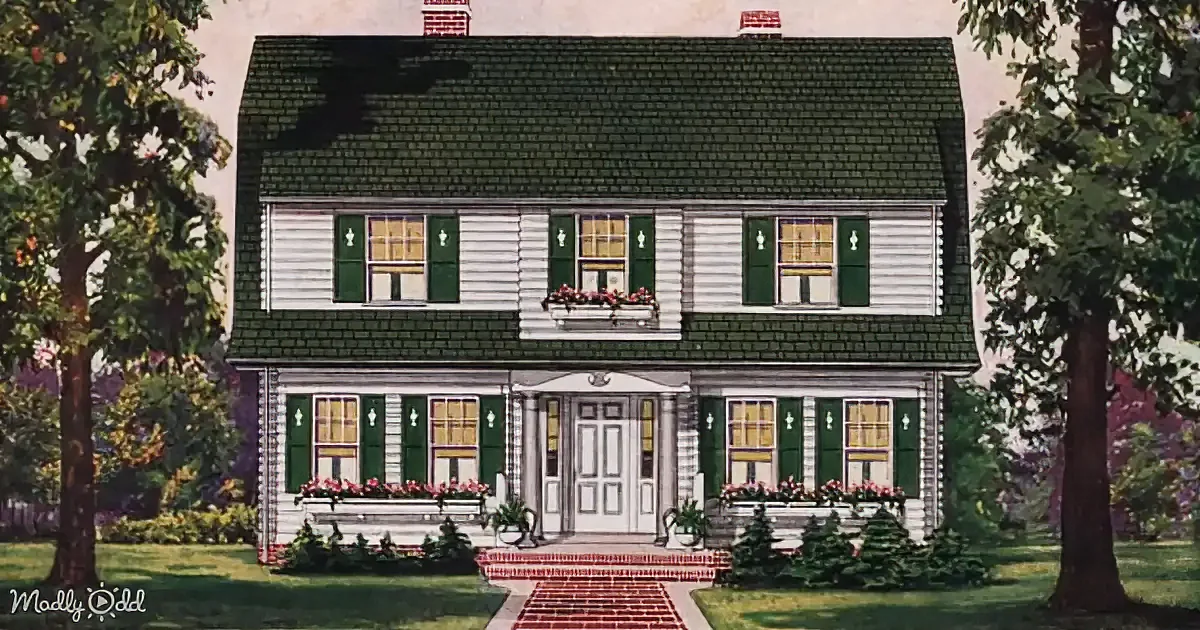
The idea of selling these kit homes came about in 1906 when Frank Kushel suggested the company sell kits for building houses instead of just building supplies. So, in 1908, Sears took a leap of faith and introduced their most daring product line ever: houses! The Sears Modern Homes catalog was born, offering all the materials and blueprints needed to build a house. These kits were shipped to anyone with the cash and a catalog subscription – which, at the time, was about one-fifth of the country!
In the first year, Sears sold just one model, the 8-room bungalow style house aptly named Model 125. By 1918, the company had expanded to hundreds of models, moving from a numbering system to named models, many of which sounded like cozy small towns. Some of the popular models included the Argyle, Avondale, Ellsmore, Maplewood, and Magnolia. From pocket-sized English cottages to three-story, five-bedroom mansions, there was a home to fit any family's needs and budget.
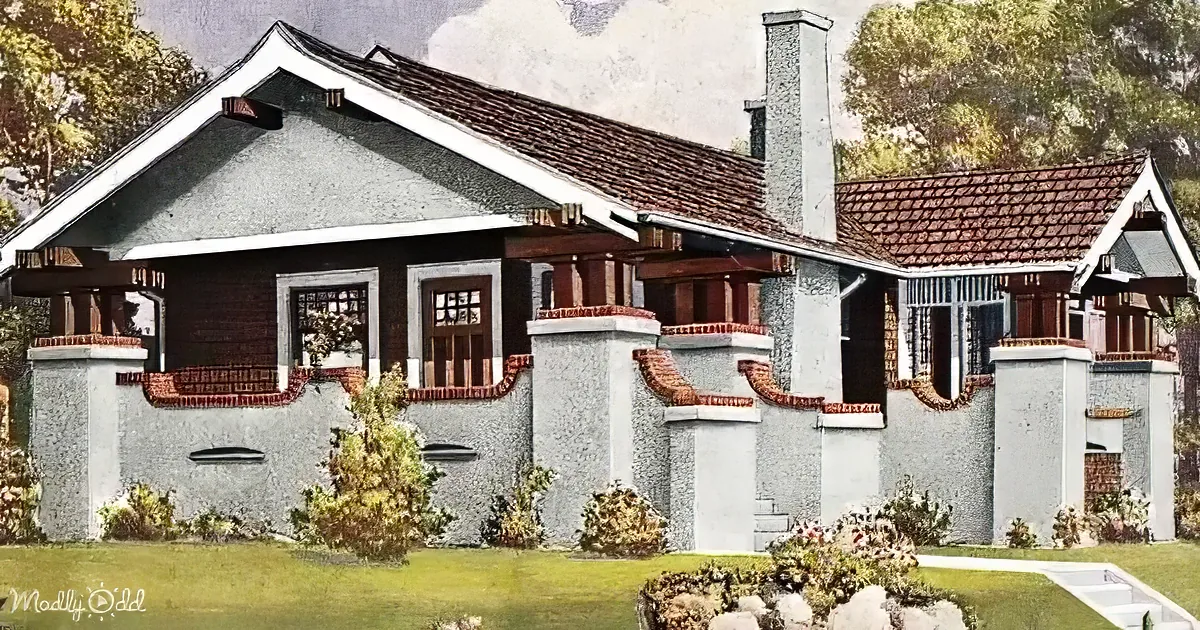
Now imagine the anticipation when the kit arrived by railroad at the local station! These kits contained everything needed for a new home – pre-cut lumber, siding and shingles, windows and doors, nails, paint, and even the building plans. Homeowners could also choose to add a garage, plumbing, or electricity for an additional fee. About 50% of these homes were built by the homeowners themselves, with generous help from family, friends, and neighbors. The other half were built professionally.
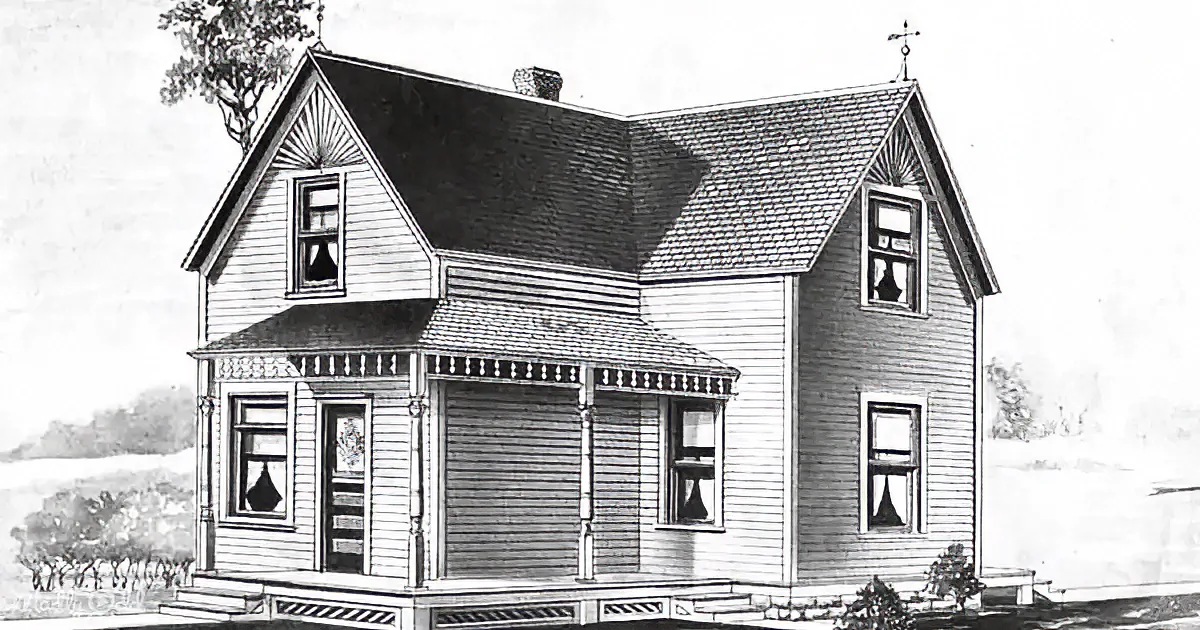
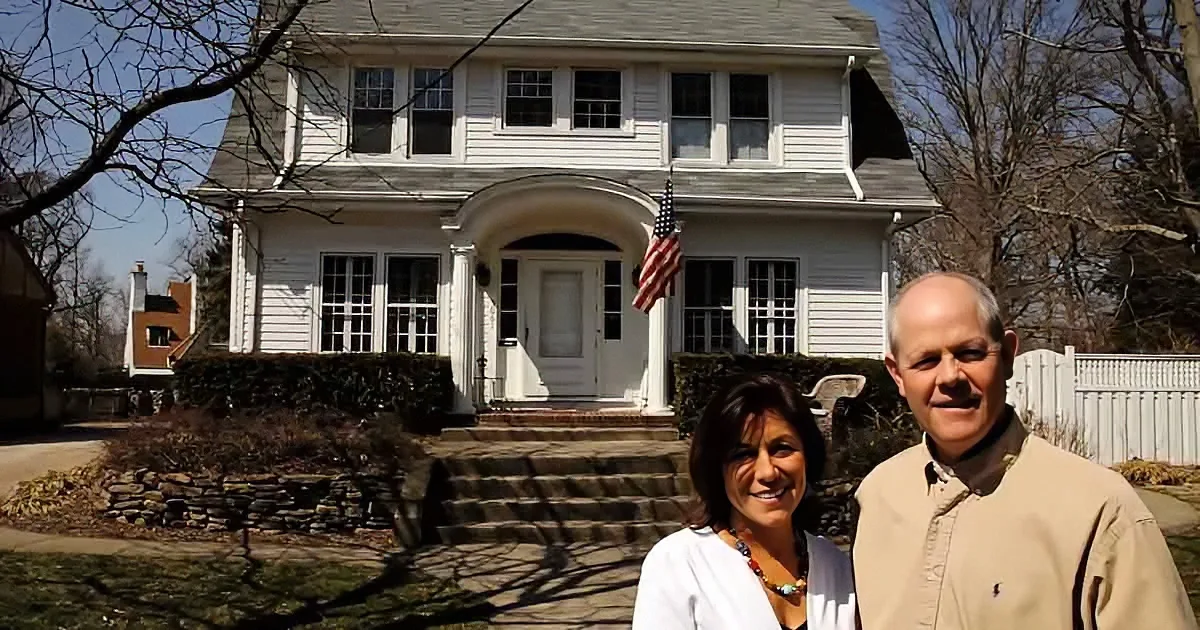
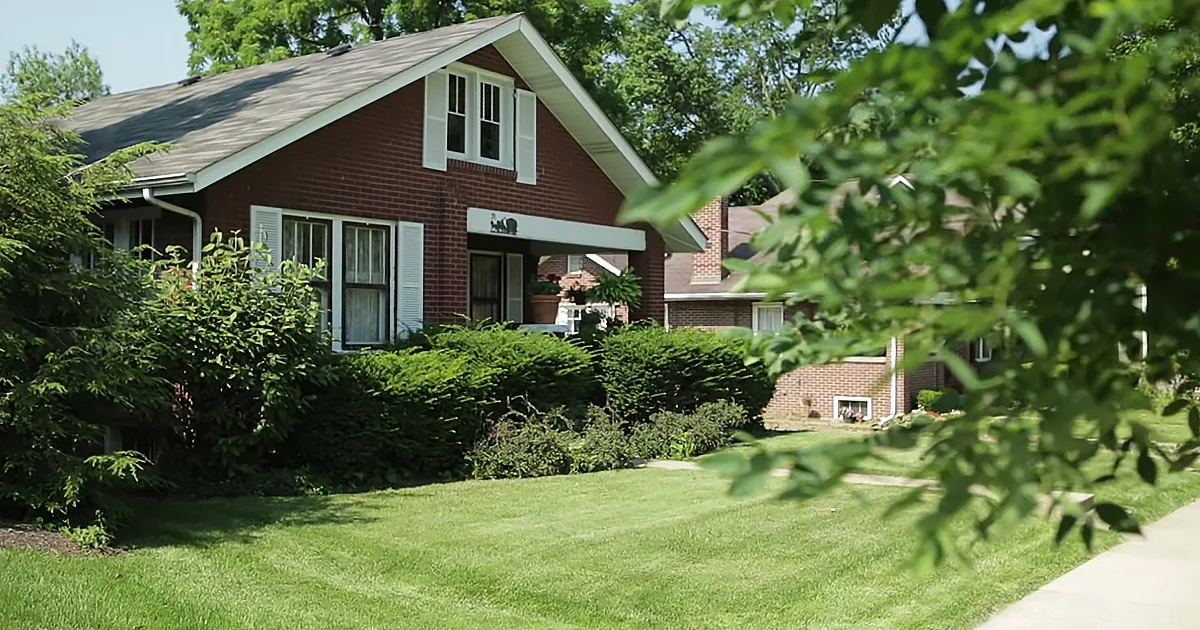
The Sears Kit Home program ultimately ended in 1940, but during its time, it sold around 100,000 custom homes. These houses proved that homes could be standardized, affordable, attractive, and well-built. It's said that many of these houses still survive today in varying conditions and original appearances.
So, if you're in the mood for a walk down memory lane, watch this video on building your own Sears Kit Home. See if you can spot one of these iconic homes in your own neighborhood. And, of course, remember to like and share the video with others because it's such a delightful reminder of a simpler time in American history.