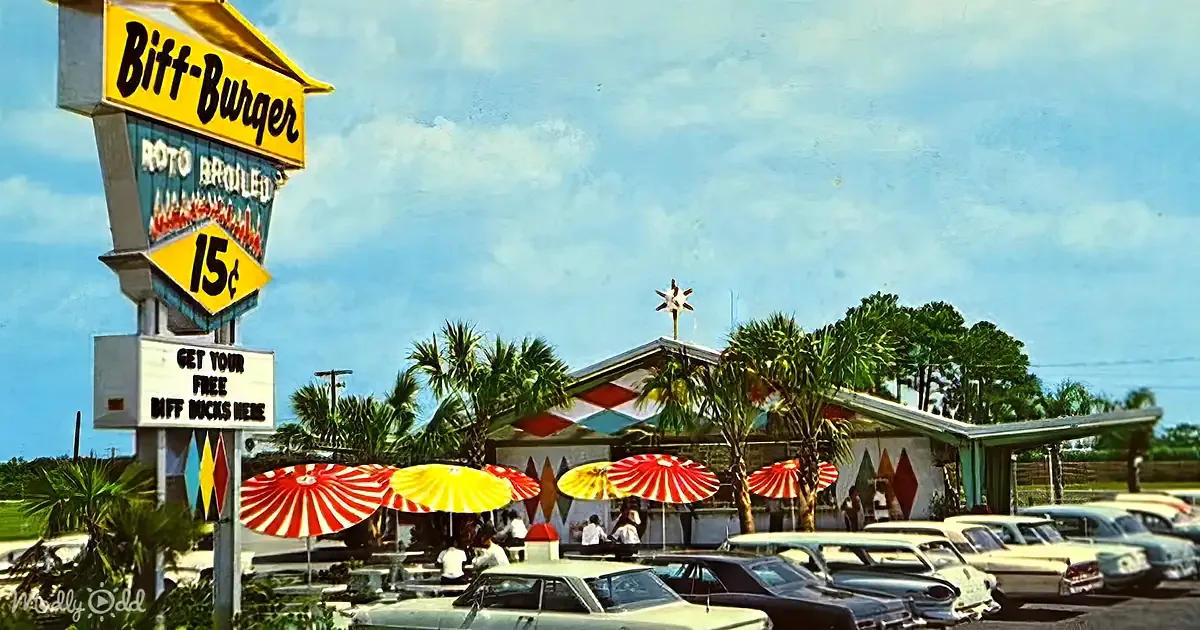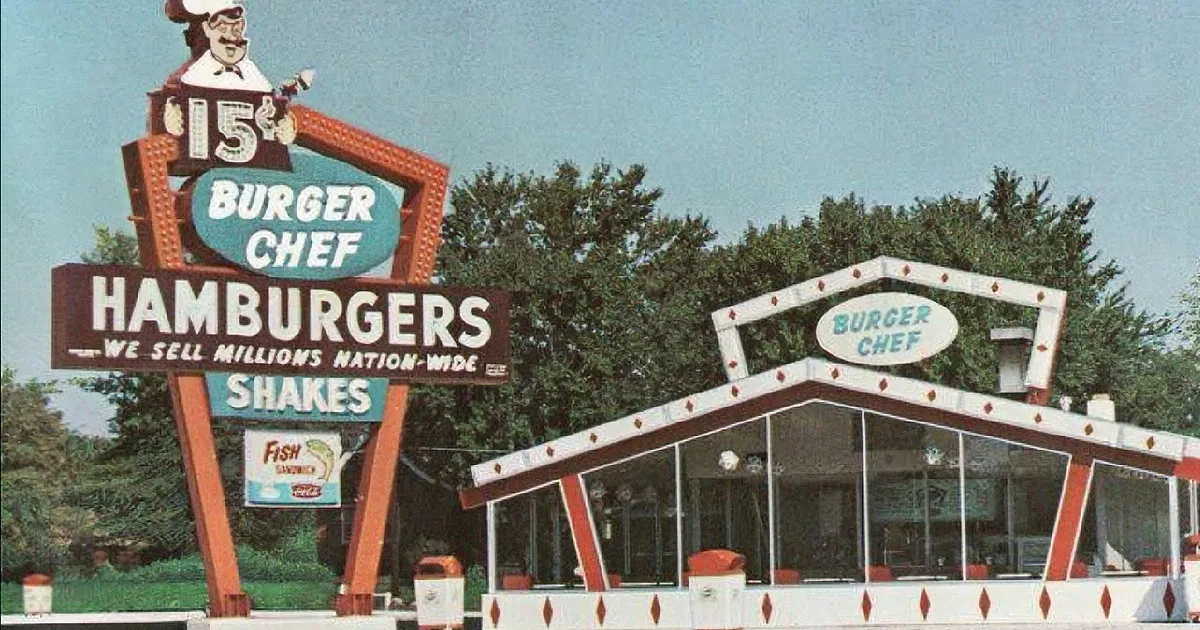
Listen up, because what I'm about to tell you about the fast food joints we lost would make Ray Kroc himself pour a stiff drink. These weren't just restaurants - they were American dreams served with a side of fries, and their stories still haunt the parking lots where they once stood.
Picture this: 1960. Kennedy's about to take office, and Herb Slotnick's got brass balls big enough to slap a yellow slug mascot on his burger joint called Carrols. While McDonald's was playing it safe with clowns and hamburglars, this magnificent bastard built an empire in Upstate New York that would make the King himself bend the knee.
The Club Burger wasn't just their signature - it was their goddarn battle flag. One bite, and you knew why 150 locations spread across New York and Pennsylvania faster than gossip at a church picnic. But here's where it gets interesting...
The day Burger King made Herb Slotnick an offer in 1975 that turned the fast food world upside down forever.
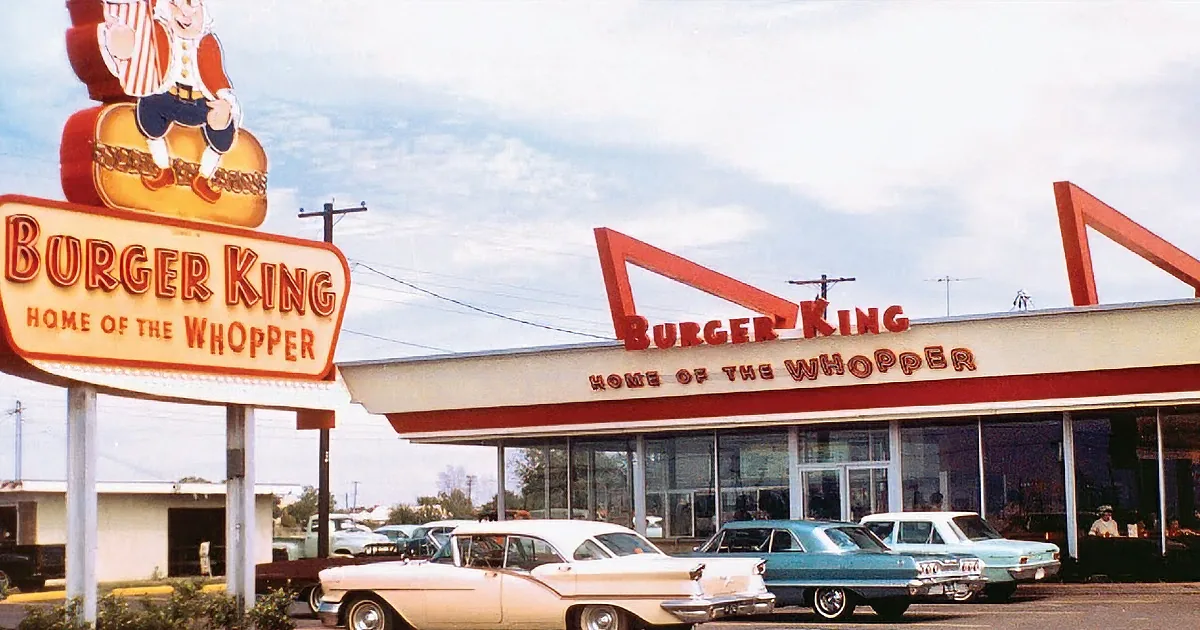
See, by 1975, Carrols was cranking out burgers left and right, and Burger King saw a golden chance to buy out their competition without lifting a spatula. They didn’t want just another franchise; they wanted the whole darn enchilada. Herb could see the writing on the wall, but he also saw dollar signs—and the man took Burger King's hand quicker than you could say "Whopper."
Burger King didn’t just take over Carrols—they converted those beloved hometown joints into their own signature flame-broiled hideaways. And as you might guess, the fans weren't too thrilled. Still, Herb pocketed a nice payout, and by 1981, the last Carrols was closed. The little burger empire that could was swallowed whole, but people in Syracuse still swear that Carrols’ Club Burger had a kick you can’t get from a Whopper.
How Rax Roast Beef went from roast beef royalty to bankruptcy and desperation ad campaigns in the ‘90s.
When Jack Rocheman kicked off Rax Roast Beef in 1967 in Springfield, Ohio, it wasn’t just some roast beef sandwich joint. It was a beef lover’s temple. Originally “Jack's Roast Beef,” Rax grew fast in Indiana, Ohio, Illinois, and Kentucky with no sign of slowing down. By the ‘80s, this chain had over 500 spots, and their roast beef was packed tighter than the church pews on Sunday. But here's the thing: Rax couldn’t keep up when fast-food giants started pushing value menus.
In a last-ditch effort, Rax threw everything they had at ad campaigns, but it was like spitting into the wind. Bankruptcy hit hard, and by the ‘90s, Rax was practically begging people to come back. A few Rax spots still hang on like ghosts, but that once-mighty roast beef chain is just a shadow.
Naugles: the Mexican fast-food joint that gave Del Taco a run for its money before getting swallowed whole.
Now, if you were around SoCal in the ‘70s and ‘80s, you know darn well Naugles was the place for a burger and taco combo that hit different. Dick Naugles, a former Del Taco partner, started the chain in 1970 with this simple philosophy: good food at any darn hour. Naugles grew like wildfire, and by 1985, there were over 275 locations. People lined up for that “bun taco” like it was the last meal on Earth.
But Del Taco had other plans. In 1988, they swooped in, bought out Naugles, and started shutting down the locations faster than you could finish a Macho Burrito. Sure, some of the menu items made their way into Del Taco’s line-up, but true Naugles fans knew it was never the same. By ‘95, Naugles was officially gone, save for a few passionate fans who would bring it back decades later, just to taste that old school magic.
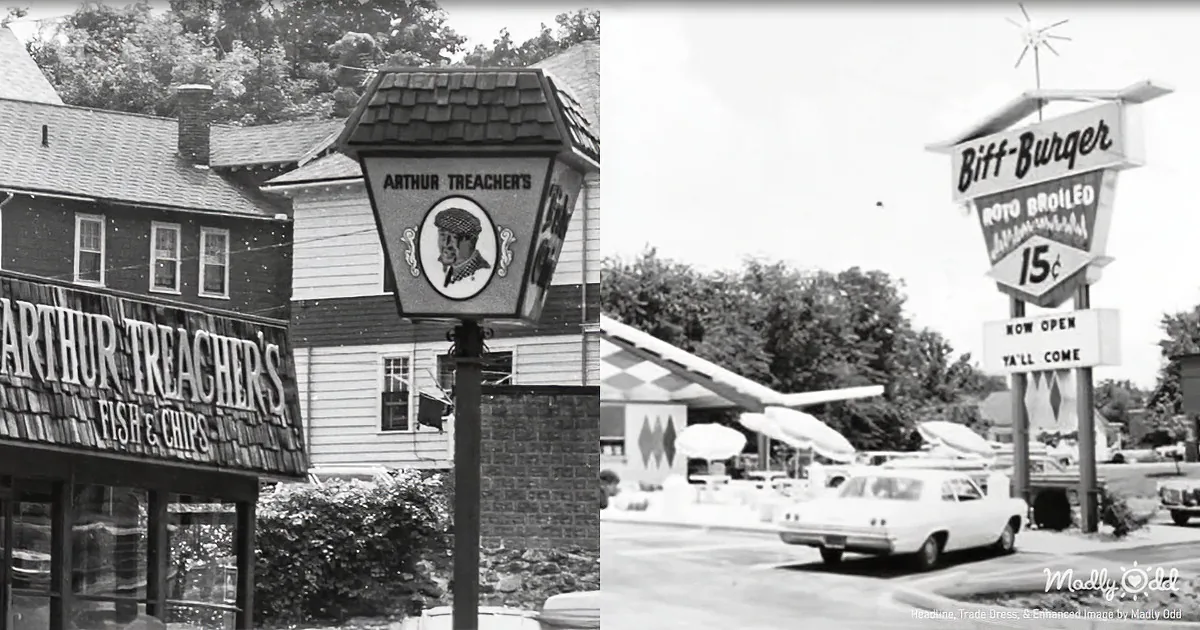
The reason Arthur Treacher’s Fish & Chips rose to fame in the ‘70s and why there’s only one left standing.
Arthur Treacher’s Fish & Chips wasn’t just some British gimmick—they brought real-deal, golden-crisp fish to Americans who’d never tasted cod battered and fried just right. Named after the famous British actor, they opened in ‘69 and exploded nationwide through the ‘70s, all while slinging those fish fillets faster than Big Macs. But then the cod prices went up, and Arthur Treacher’s had a choice: charge more or find a cheaper fish.
When they swapped out the cod for a cheaper fish, fans took notice and boycotted hard. Over time, ownership bounced around, from Mrs. Paul's to Nathan's Famous, but nothing stuck. Today, there’s just one freestanding Arthur Treacher’s left in Cuyahoga Falls, Ohio—a dim lantern of what used to be.
Dog n Suds: The drive-in hot dog and root beer joint that teens once swarmed, now barely a dozen locations left.
You want to talk about American nostalgia? Dog n Suds had it. Started in ‘53, this joint wasn’t just a drive-in—it was the place where high school kids and families piled in for Coney dogs and ice-cold root beer in those iconic butterfly-wing buildings. They had nearly 600 locations by ‘68, stretching from the Midwest to the coasts. It was the kind of place where summer memories were made, hot dogs in hand and root beer foam on your lips.
But by the ‘70s, the golden days were over. The brand got sold off, and locations started dropping like flies. Luckily, a few loyal franchisees bought the rights and kept Dog n Suds alive in pockets of the Midwest, where a dozen or so still pour root beer today. But make no mistake, it’s a faint echo of what it once was.
The story behind Sandy’s Drive-In and how it was almost McDonald’s Scottish rival before Hardee’s swallowed it whole.
Back in ‘56, four McDonald's franchise owners thought they could do it better. They started Sandy’s Drive-In with Scottish flair, slinging burgers for 15 cents a pop out in Kewanee, Illinois. And this wasn’t just another burger joint—it was a true competitor, growing like crazy through the ‘60s with that cheap, tasty menu.
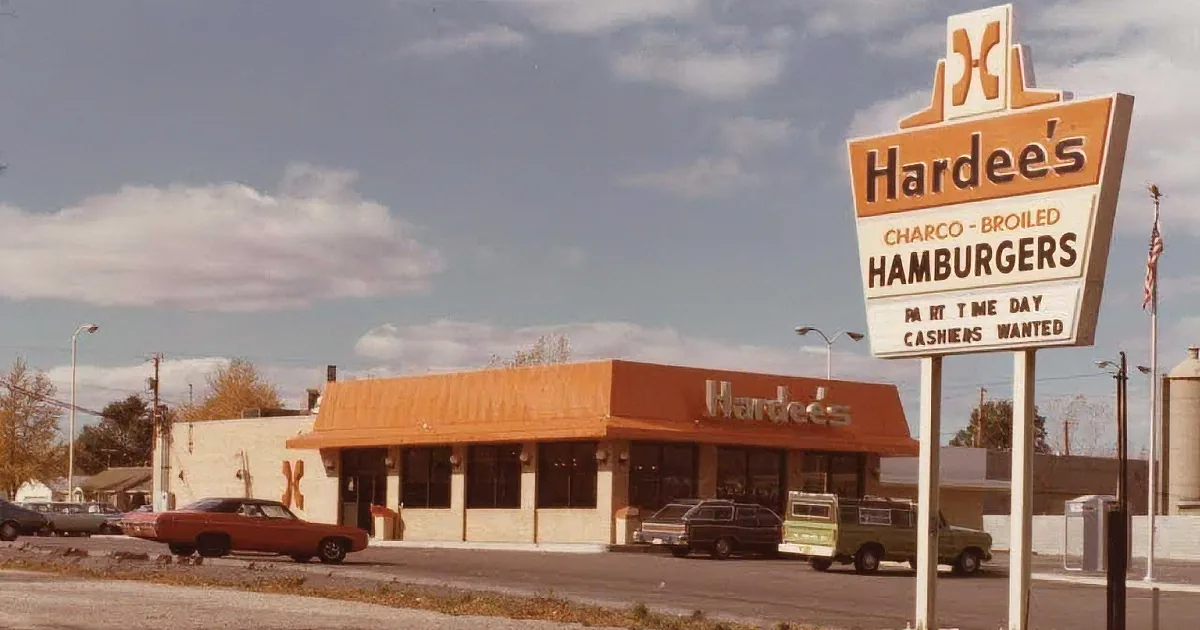
By the ‘70s, though, the fast food giants had deep pockets for TV ads, and Sandy’s couldn’t keep up. Hardee’s stepped in, took over, and planned to keep Sandy’s as a sub-brand. But by ‘73, almost every Sandy’s was turned into a Hardee’s. The last Sandy’s sign came down in ‘79, and with it, another American dream was gone.