Most people are familiar with the life cycle of plants. Plants begin as seeds, germinate and grow into adult plants. Once they are fully grown, they create the next generation. The Q Millenium Seed Bank was looking to extend that cycle.

200 years ago, a British ship intercepted a trading vessel coming back from the Cape of Good Hope. Onboard, the sailors found unfamiliar seeds. They stored them in the Tower of London.
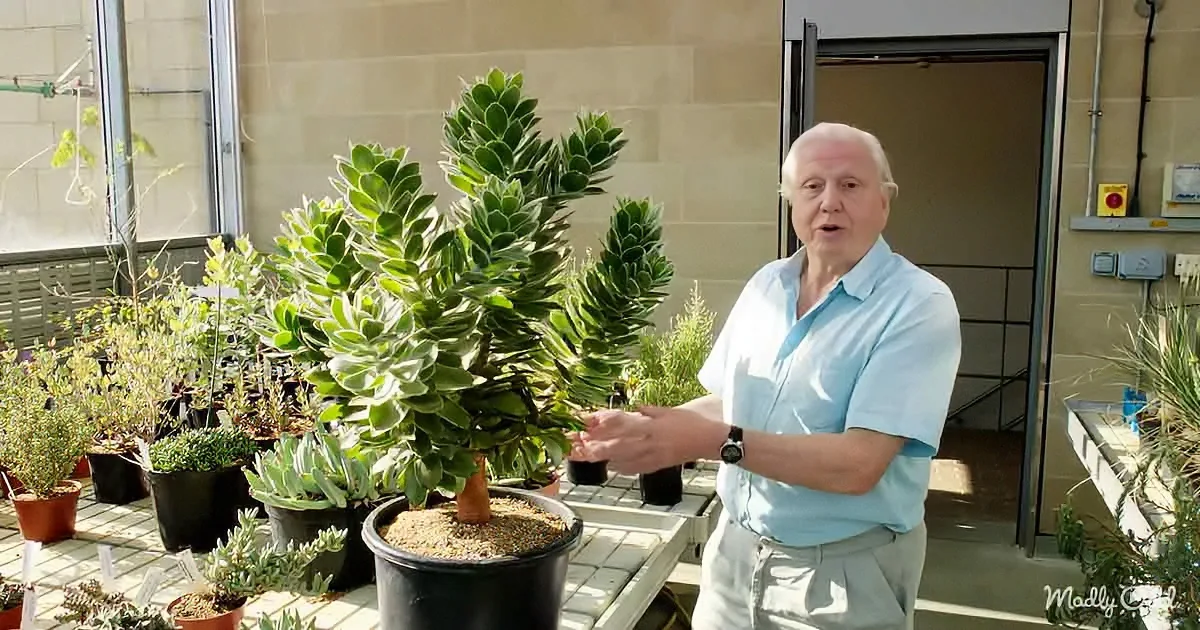
Eventually, researchers transported them to the Q Millenium Seed Bank. When the team planted one of the 200-year-old seeds, it grew into a healthy Pincushion plant. “It just shows how long seeds can survive, even without help,” said Sir David Attenborough.

The success of this plant served as proof of concept for what the Q Millenium Seed Bank wanted to do. Their goal was to store all of our planet’s plants for future millennia.
To ensure the plants remain viable for as long as possible, the researchers clean the seeds, dry them out, store them in jars and keep them at a temperature of negative 20 degrees Centigrade.

The Q Millenium Seed Bank pioneered research into the potential lifetimes of plant offspring. “The longevity of most kinds of seeds is unknown,” said Attenborough. “So they must be regularly checked.”
The team hoped that this could safeguard against the future while also providing help right now. “For whenever we discover that a plant is teetering on the brink of extinction, we can now bolster its numbers with seeds from here,” said Attenborough.