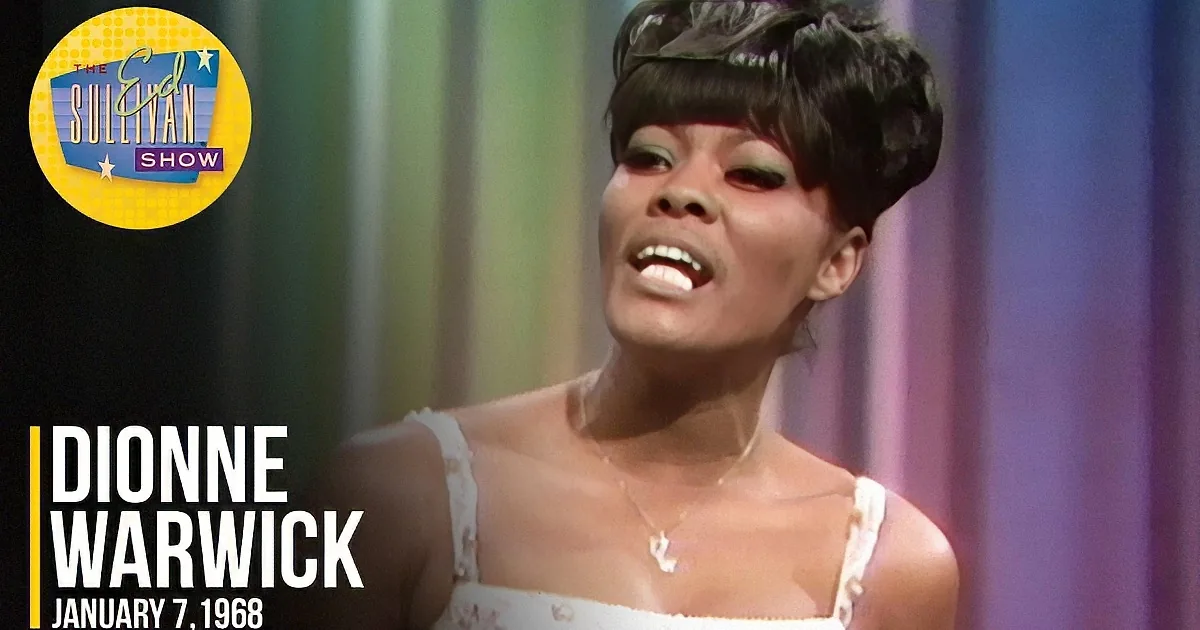

Diahann Carroll stood gracefully on the Ed Sullivan Show stage on December 18, 1966, ready to serenade the world with the soulful ballad, "Am I Blue". Our hearts skipped a beat as the orchestra began its soft rendition, setting the mood for an unforgettable night of music.
We must appreciate the era, a time of transformation and cultural shifts. The 1960s were a crucial decade, with events like the Civil Rights Movement shaping society. Amidst this backdrop, musicians like Diahann were more than just performers; they were symbols of change and unity.
Diahann's opening lines, "I'm just a woman, a lonely woman", carried the weight of every individual's deep longing and solitude. Her voice, a harmonious blend of power and fragility, resonated with listeners, offering solace in a turbulent era. As the song progresses, she delves into heartbreak and the agony of lost love, reflecting universal human emotions. The line, "Am I blue, Ain't these tears in these eyes telling you?" is a testament to her ability to touch hearts deeply, drawing us into her story.

The song, in its entirety, paints a vivid picture of a woman grappling with the aftermath of a lost relationship. It was not just about personal heartbreak; it was emblematic of the larger societal shifts happening in the 1960s. The changing roles of women, the call for equal rights, and the challenges faced by many during this period are all subtly reflected in her performance.
When Diahann sang, "There was a time when I was his only one, but now I'm the sad and lonely one", you could feel the collective sigh of the audience, reflecting their shared experiences. It’s as if every person watching felt a personal connection, bonding with Diahann over shared heartaches and memories.
Towards the climax, Diahann’s passionate plea, "Was I gay? Yes, I was, until today", brought forth the dichotomy of happiness and sorrow. Here, 'gay' represents happiness and joy, a stark contrast to the profound sadness the song speaks about. As the music built, so did our emotions, reminding us of the immense power of music to evoke deep feelings.
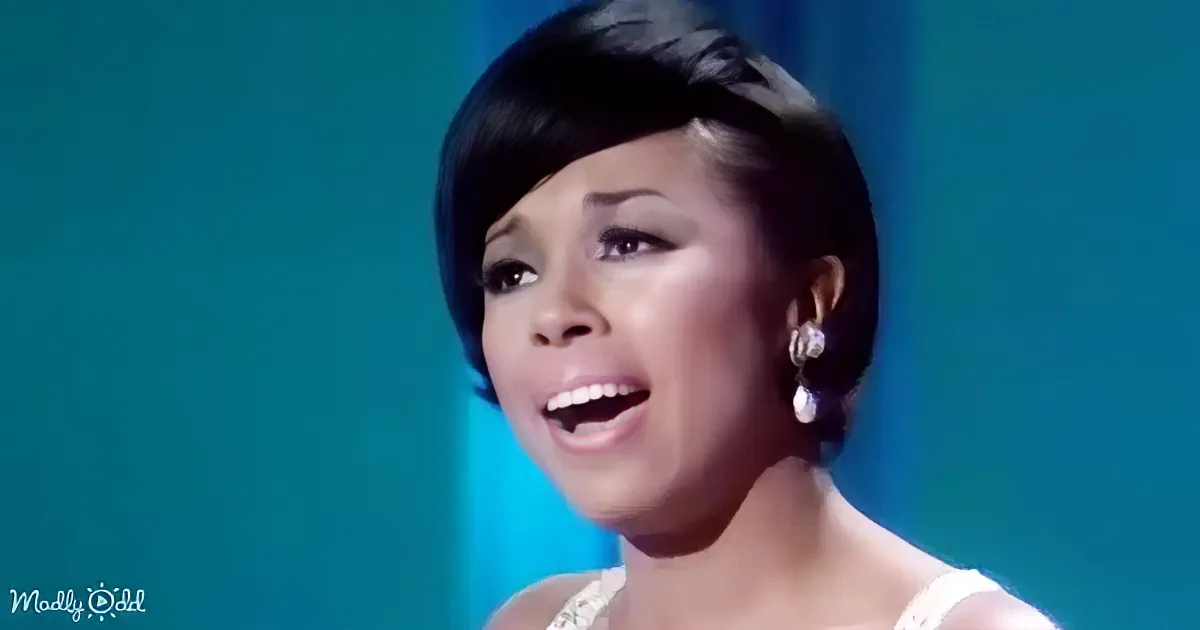
Watching Diahann Carroll perform was not just about enjoying a song; it was about experiencing an era. We felt transported back to 1966, witnessing history and music entwined perfectly. By the time she ended with the lingering notes of "Am I blue", it was clear - we had witnessed a masterpiece.