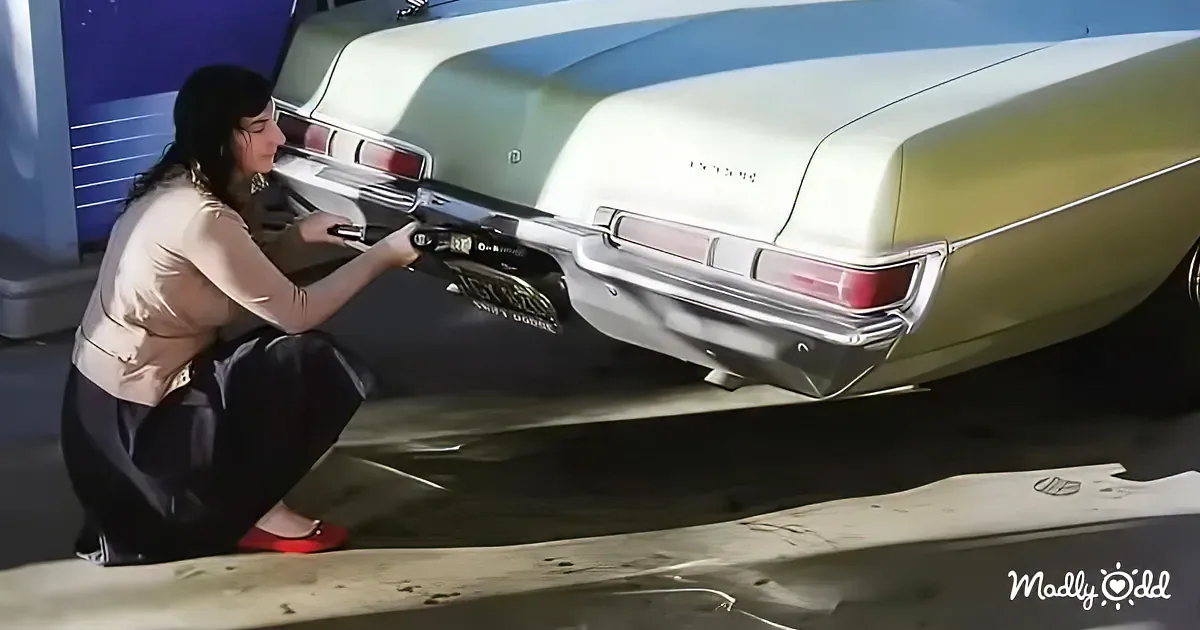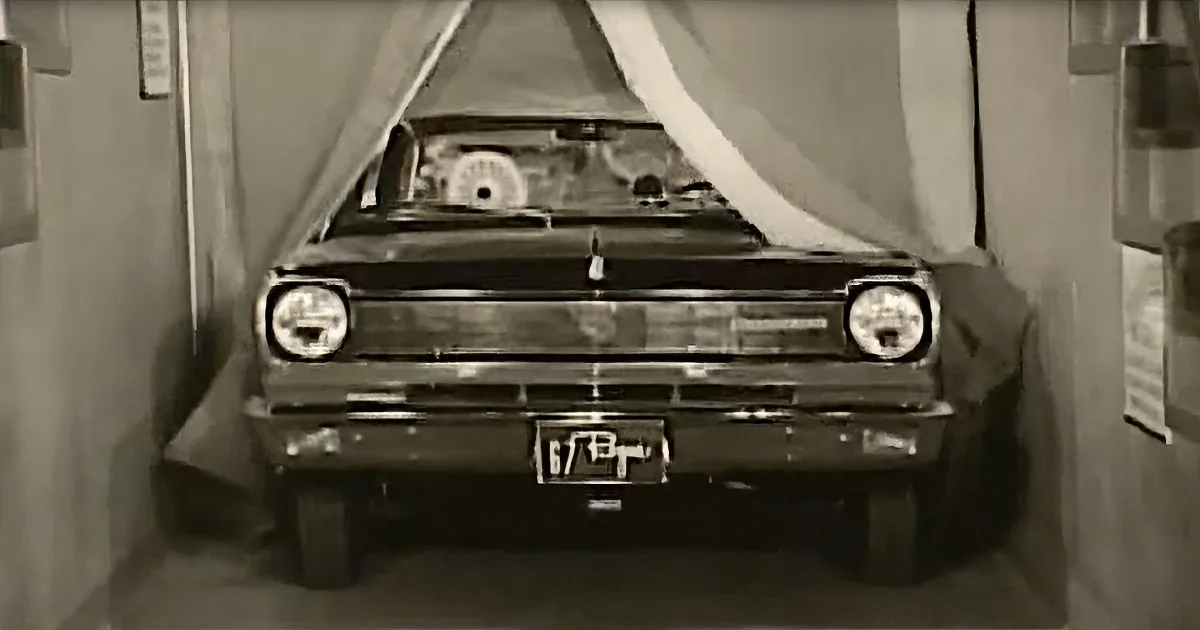
The evolution of the auto industry has led to many changes in car features over time. Earlier features that were once popular have now faded, making way for new advancements. A recent video highlights these transformations, focusing on disappearing car features in modern vehicles. It captures the curiosity of car enthusiasts online, showcasing the contrast between past and present automotive designs.

Initially, cars had a dimmer switch on the floor to adjust headlight brightness. Introduced in the 1920s, this feature remained there for decades. Later, it was moved next to the steering wheel for ease of access. This shift illustrates how convenience and driver comfort have become central to car design, reflecting evolving user preferences and technological progress.
Another vanished feature is the 85 MPH speedometer. Previously, speedometers emphasized the 55 MPH mark, reflecting the highest national speed limit. Modern vehicles have speedometers displaying much higher speeds, symbolizing advancements in automotive performance and engineering. This change reflects contemporary cars' increased power and capabilities, offering drivers more dynamic driving experiences.

In the past, cars commonly included a spare tire, a crucial feature for long drives. Modern vehicles often omit this, prioritizing weight reduction and space optimization. This change highlights a shift in automotive design priorities, focusing on efficiency and compactness. Despite this, being prepared for emergencies remains a key consideration for drivers.
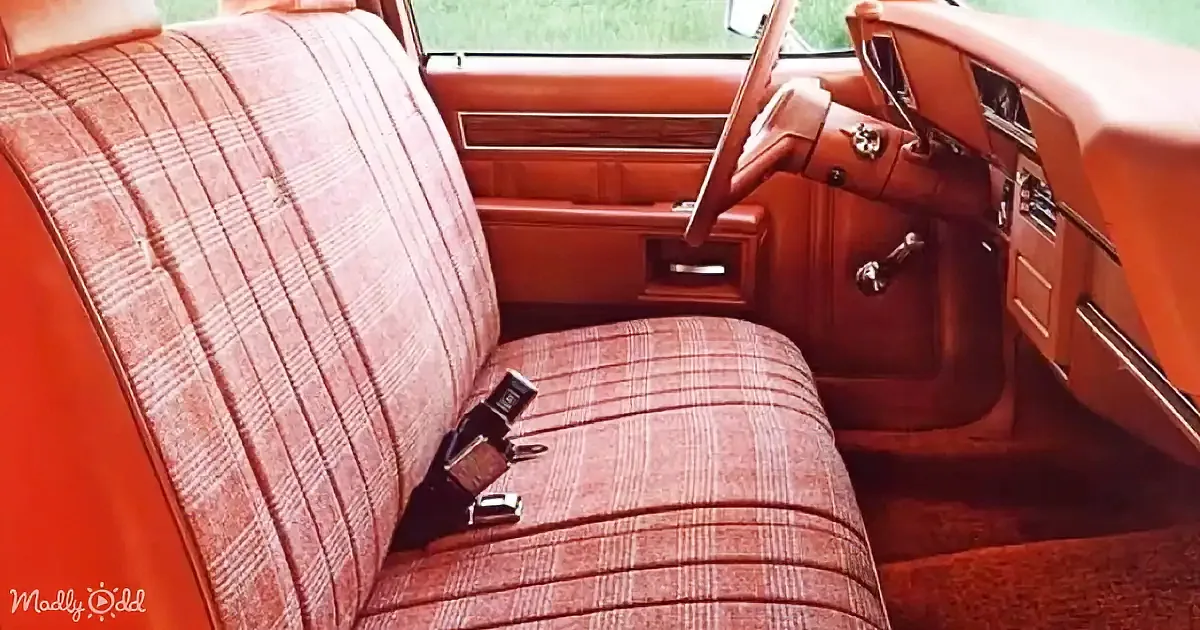
Bench seats, accommodating three people, were once standard in cars and trucks. Ideal for larger families, they provided ample space. However, safety concerns, particularly regarding airbags, led to their replacement. This change underscores the auto industry's focus on safety, ensuring passenger protection while balancing comfort and utility.
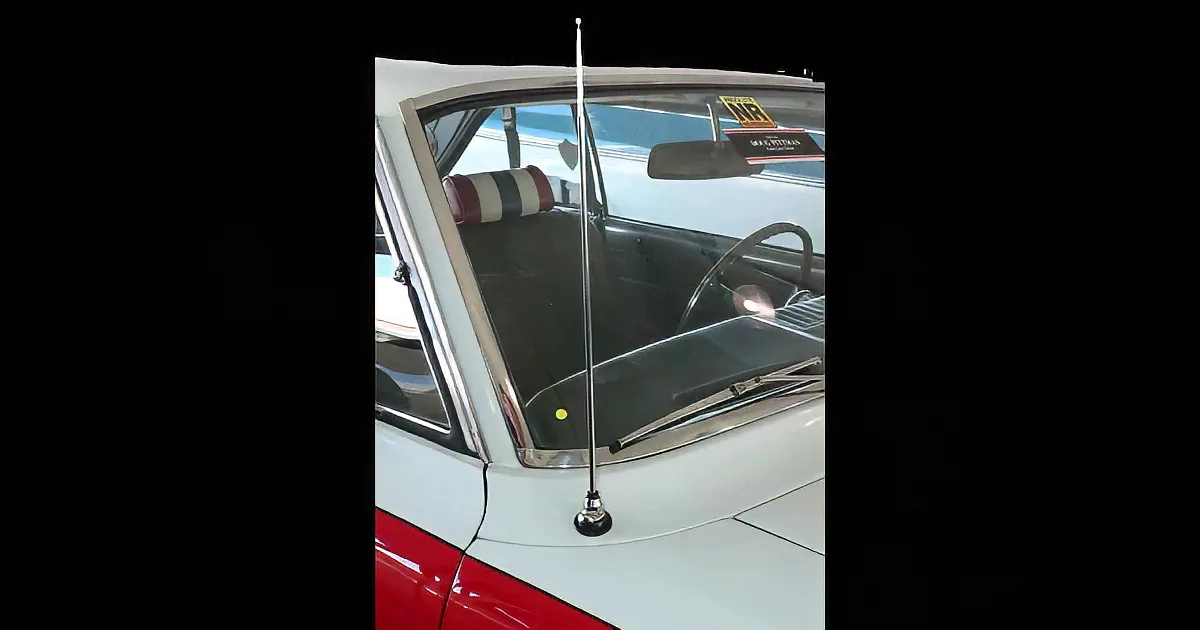
The video also showcases other obsolete car features, such as dashboard ashtrays, cigarette lighters, manual crank windows, and prominent radio antennas. These features, once commonplace, have given way to modern innovations. This evolution reflects changing societal norms, technological advancements, and consumer preferences, vividly depicting the auto industry's continuous evolution.
Sharing this video with loved ones is valuable because it offers a glimpse into automotive history, sparking conversation and nostalgia. It's a journey through time, showing how far car design has come and the remarkable transformations it has undergone. Sharing this video can lead to enjoyable discussions, bridging generations through a shared interest in cars and their evolution.