
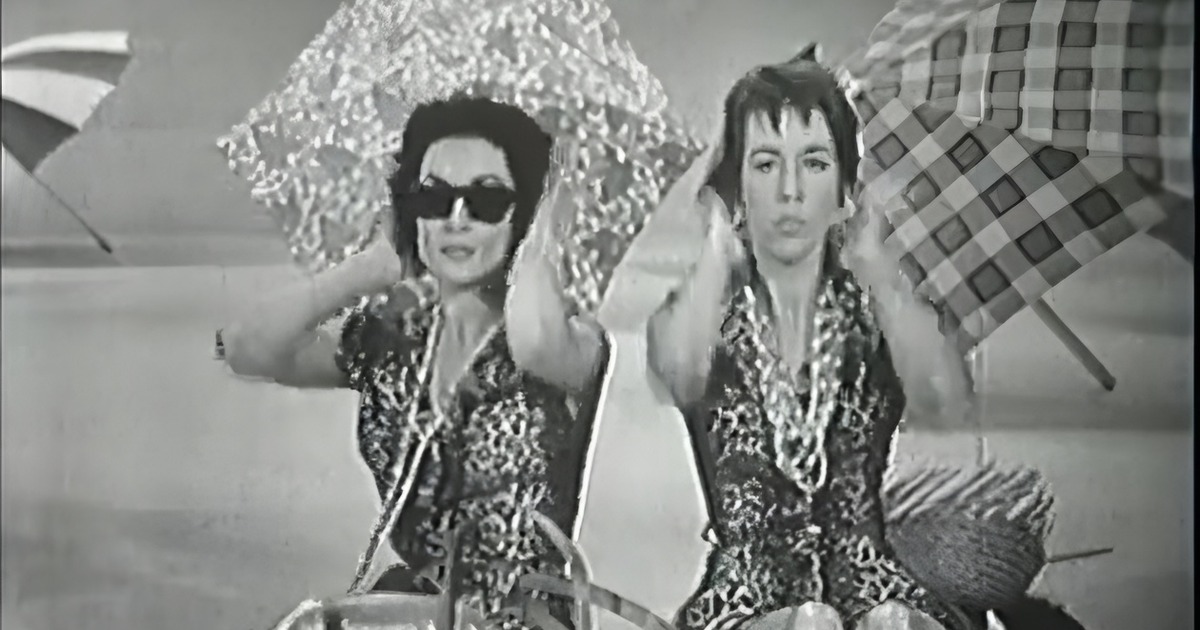
Tuesday night, 1961. One set in the front room, an hour of live television about to go out, and your whole family in chairs watching people get things almost exactly right while the rest of the country watches the very same thing at the very same moment. Nothing is being saved for later. If a costume tears, it tears on the air.
Somebody has to hold that steady, and on The Garry Moore Show it was usually the tall man standing slightly to one side. Durward Kirby was born on this day in 1911, in Covington, Kentucky, and he spent a career being the person the laugh happens next to.
He came up through radio the way most early television people did. Staff announcer. Read the copy, hit the time, hand it back to the host. It was a technical job, and the men who were good at it had voices that could be trusted with a product name and the discipline to land on a cue in a business where the clock was the only law.
CBS put Garry Moore on in 1958 with an hour of live variety on Tuesday nights, and Kirby was the announcer. Then he started staying in the frame.
There is a great deal of talent in that studio with him. Dick Van Dyke, a year or two before the show with his name on it. Chita Rivera, straight off Broadway. Carol Burnett, in the years before she had a series of her own, learning the sketch trade in front of a live camera every week. All of it moving at speed, in a small space, with one chance at it.
Kirby is the one you stop noticing, and that is the whole job.
He plants. He does not drift upstage, he does not compete for the camera, and he does not react early. A straight man who reacts before the audience does steps on the laugh he was hired to protect. Kirby holds his face, gives the line flat, and waits. When the laugh arrives he sits inside it and does not move until it starts to fall, then he goes again. None of that is written anywhere. You can only get it by doing it live, weekly, for years.
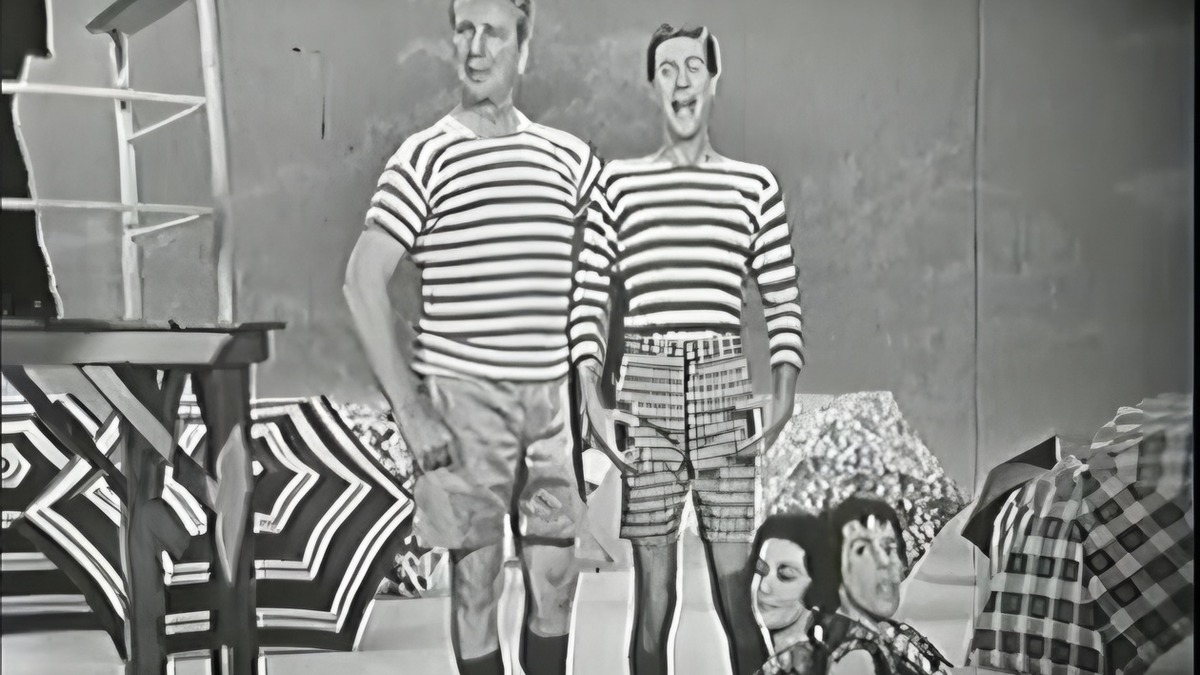
His height helped. He was well over six feet and directors used him as a piece of architecture. Stand him next to Burnett and the size difference does half the work of the joke before anybody opens their mouth.
Burnett has said plenty over the years about what those seasons taught her. The Moore show ran a full sketch hour live, with costume changes measured in seconds, guest stars who had never done television, and a band. When she built her own show in 1967 she built it on that model, including the part where the host is surrounded by people who can carry a scene without her. Harvey Korman played a version of the Kirby job for eleven years.
Kirby also worked with Allen Funt on Candid Camera, which asked for the opposite skill. There he had to stay unremarkable enough that the person being filmed never clocked him.
The strangest credit of his life came out of a cartoon. The writers on Rocky and Bullwinkle invented a magic hat called the Kirward Derby, a joke on his name, and the story that followed him afterward was that he had objected to it. He told that one on himself for decades and never seemed to mind being the punchline.
Nobody in the house on a Tuesday night was watching the announcer. That was the arrangement, and he kept his end of it beautifully. The tall man in the middle of the sketch is the reason it keeps moving, and every laugh in it belongs to somebody else on purpose.
If you grew up on The Garry Moore Show, there's plenty waiting on Amazon. We earn a small share when you buy through here.