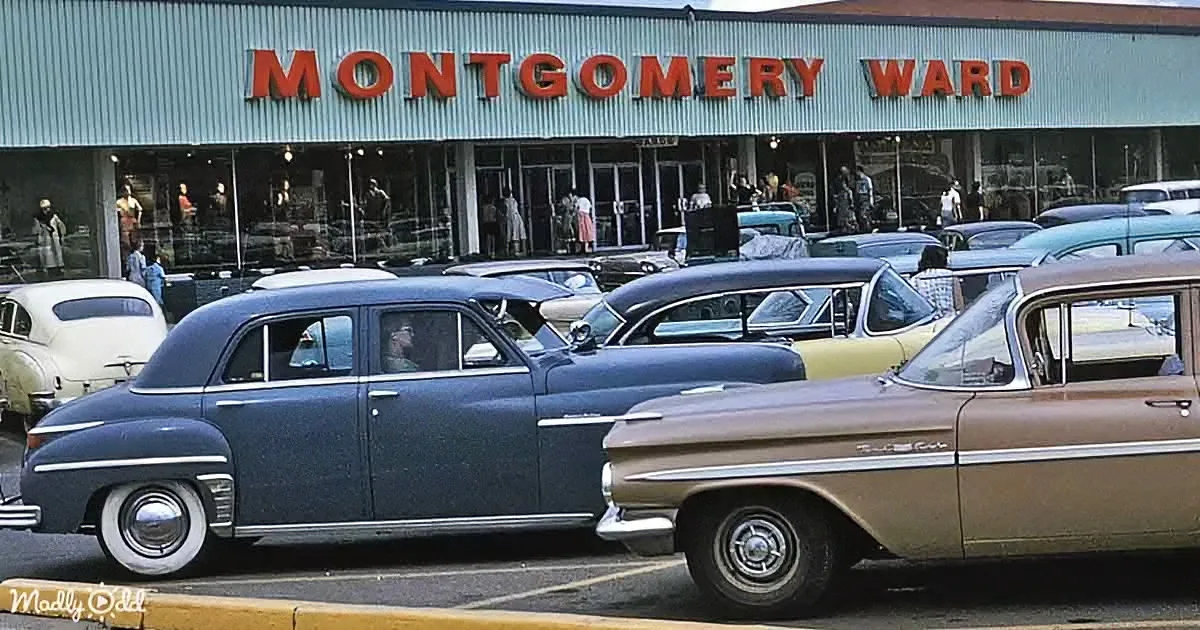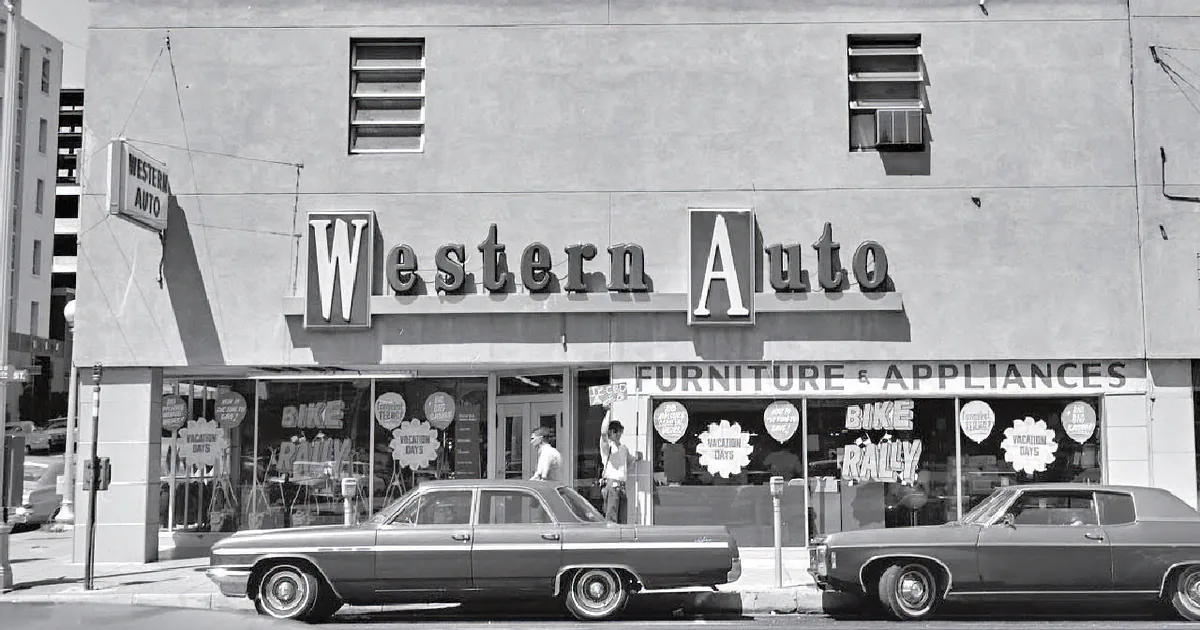

Hey there, fellow time traveler! Today, we're embarking on a nostalgic journey to revisit some iconic stores that have vanished into the annals of history. Strap in as we relive cherished memories and unearth new insights into these once-bustling hubs of activity.
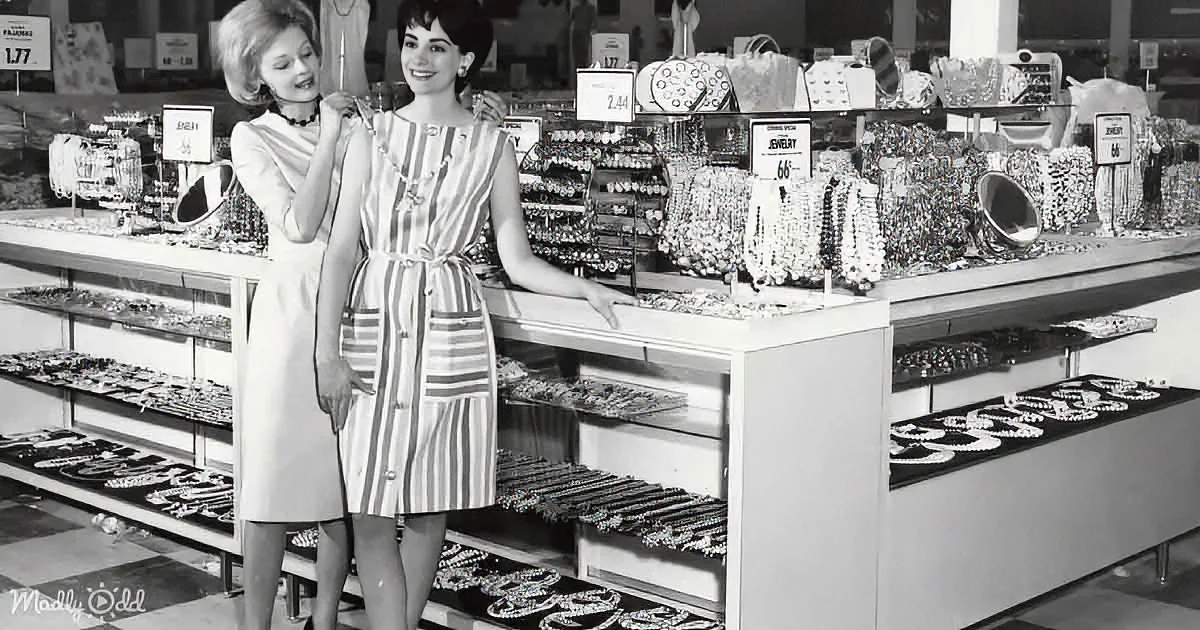
It’s fascinating to reflect on the impact of stores like Woolworth's, opened in 1879 by Frank Winfield Woolworth. Known for its affordable product range, Woolworths expanded rapidly and remained a retail giant until its closure in 1997. Equally iconic was Gimbels, established in 1842 by Adam Gimbel. Famous for its role in "Miracle on 34th Street," Gimbels was a fixture in American shopping culture until it ceased operations in 1986.
Beyond these giants, stores like Mervin’s and Kaufman’s also left their mark. Mervin's, founded in 1949 in California, expanded vigorously in the 1970s but struggled outside its home state, leading to its closure in 2008. Kaufman’s, started by two brothers in Pittsburgh in 1871, grew into a nearly 60-store chain before being rebranded by Macy’s in 2006.
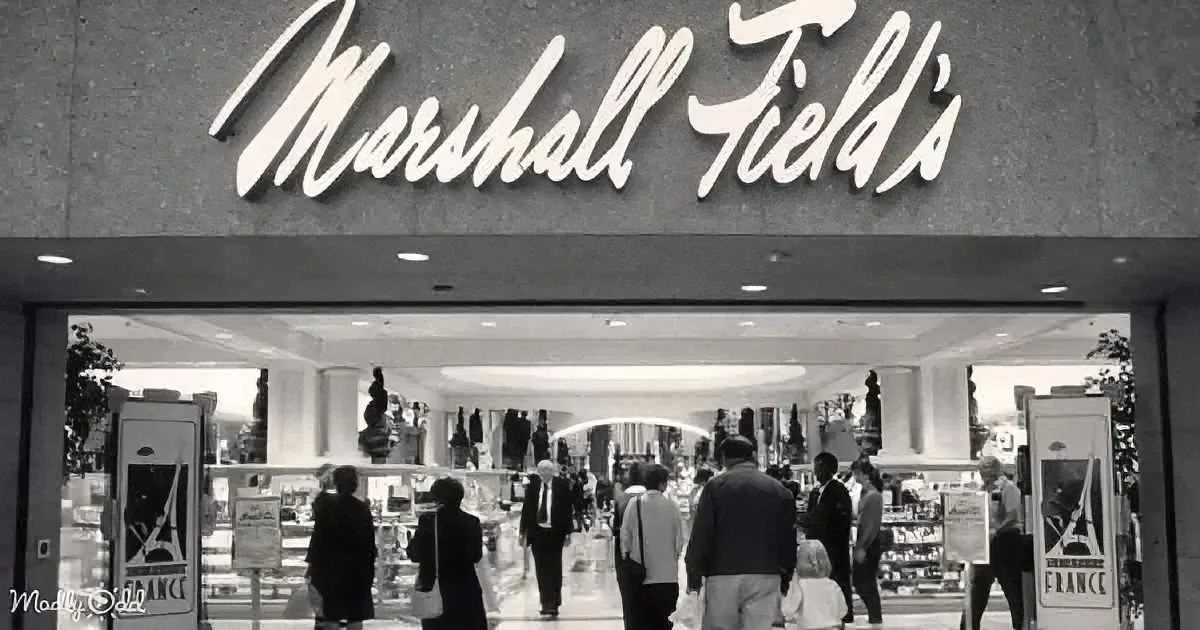
The narrative of transformation is vivid in the stories of National Record Mart and Bonton. National Record Mart, launched in 1937 in Pittsburgh, was the first music store chain in the U.S. but closed by 2002 due to declining sales. Bonton, which started in 1898, expanded significantly in the 1990s but couldn't sustain its growth, leading to bankruptcy and closure in 2018.
Each of these stores contributed uniquely to the fabric of American retail. They were not just places to shop but community hubs where memories were made and shared. Through these videos, we gain a deeper understanding of how these stores navigated the challenges of economic shifts and evolving consumer preferences.
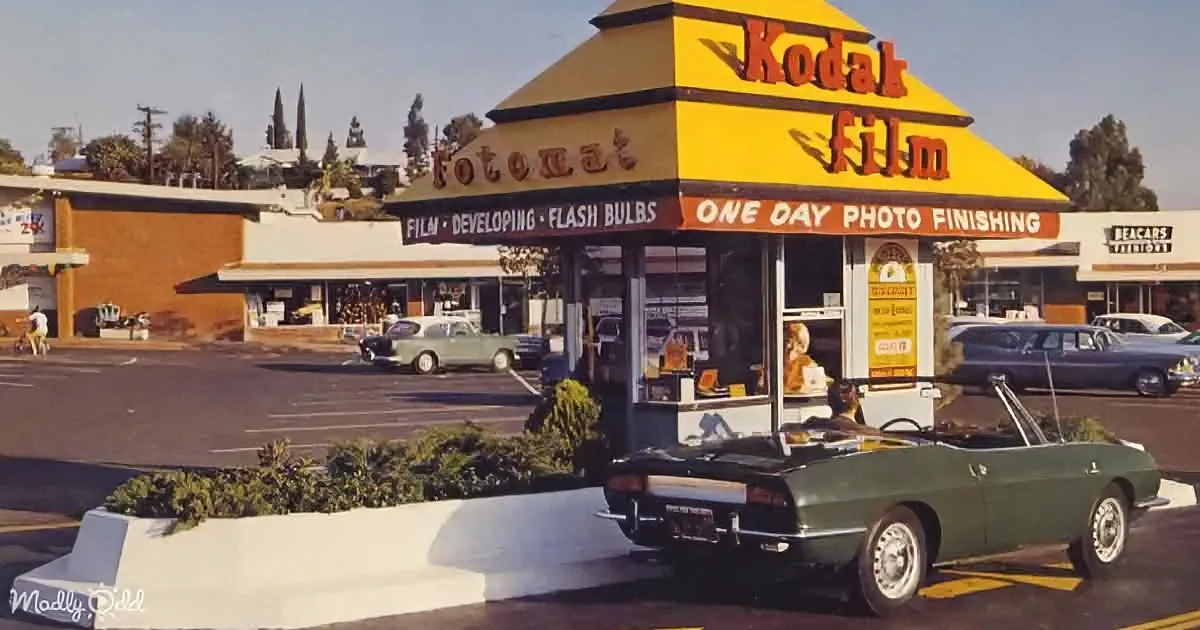
Join us as we examine the intriguing and often poignant stories of these once-celebrated establishments. This session promises a wealth of information that will enrich your understanding of American retail history.
As we wrap up our first exploration into the once-thriving world of iconic American stores, it's clear that the landscape of retail has been profoundly shaped by both innovation and the inevitable shifts in consumer behavior. These stories not only reflect the economic trends and cultural shifts over the decades but also highlight the resilience and adaptability required in the retail sector. Stay tuned as we continue to delve deeper into the narratives of other memorable stores in our next segment, further uncovering the complex tapestry of commerce and community that defined an era.
Bonus Content
F.W. Woolworth: Pioneering the Five-and-Dime Store Concept
Frank Woolworth revolutionized retail in the late 1870s by introducing the five-and-dime store model, starting with his first successful venture in Lancaster, Pennsylvania in 1879. Utilizing a unique approach where goods were directly accessible to customers, he rapidly expanded, establishing hundreds of stores across the U.S. and abroad. By 1912, the Woolworth chain had nearly 600 stores, and in 1913, the iconic Woolworth Building in Manhattan was opened, once the tallest building in the world. Woolworth stores were known for their affordability and became fixtures in American shopping culture, offering everything from household items to lunch counters, which themselves played a significant role during the civil rights movement.
The business model began to face challenges in the 1930s, leading to the introduction of higher-priced items and ultimately the removal of price limits. Despite adaptations, competition from larger discount chains in the 1960s and beyond led Woolworth to expand into specialty stores and larger formats like Woolco. However, the rise of new retail giants and changing shopping habits eventually led to the decline of Woolworth stores, with the last locations closing in 1997.