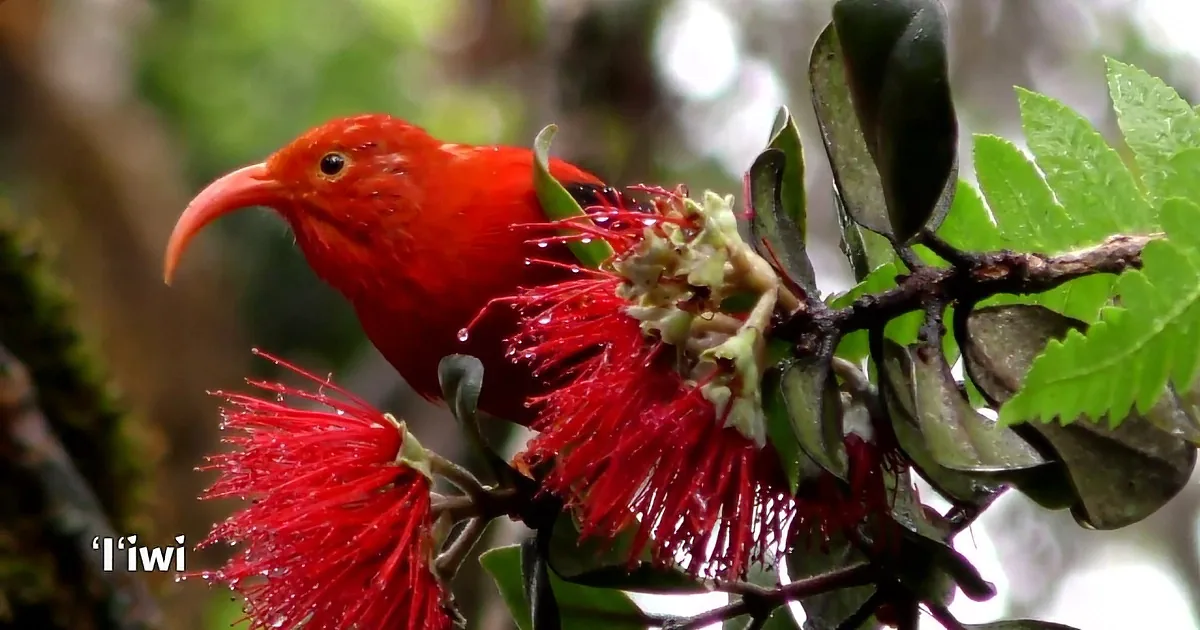
In the midst of Kauai's misty Alakai Swamp forests, we journey alongside Dr. Lisa "Cali" Crampton and the talented photographer Jim Denny. Their quest? To introduce us to the surviving species of the mesmerizing honeycreeper, the gems of these woods.
The story of these vibrant birds is a tale of endurance, evolution, and sheer wonder. The honeycreepers, descendants of a finch ancestor, discovered Kauai's lush mountain forests eons ago after being carried across the vast Pacific. Can you imagine a bird being serendipitously blown from distant shores, only to find a verdant paradise awaiting them? That's exactly what happened. And from that lone ancestor, a dazzling array of more than 50 honeycreeper species emerged, each flaunting a unique beak type, color, and size, as they filled various niches within Kauai’s diverse ecosystem.
But their enchanting tale has also been tinged with adversity. Originally, Kauai boasted around 16 honeycreeper species. Today, only six remain. What led to this decline? One major culprit has been diseases carried by mosquitoes, an invasive species inadvertently introduced to the islands by humans. This plight serves as a poignant reminder of the unforeseen consequences our actions can have on nature.
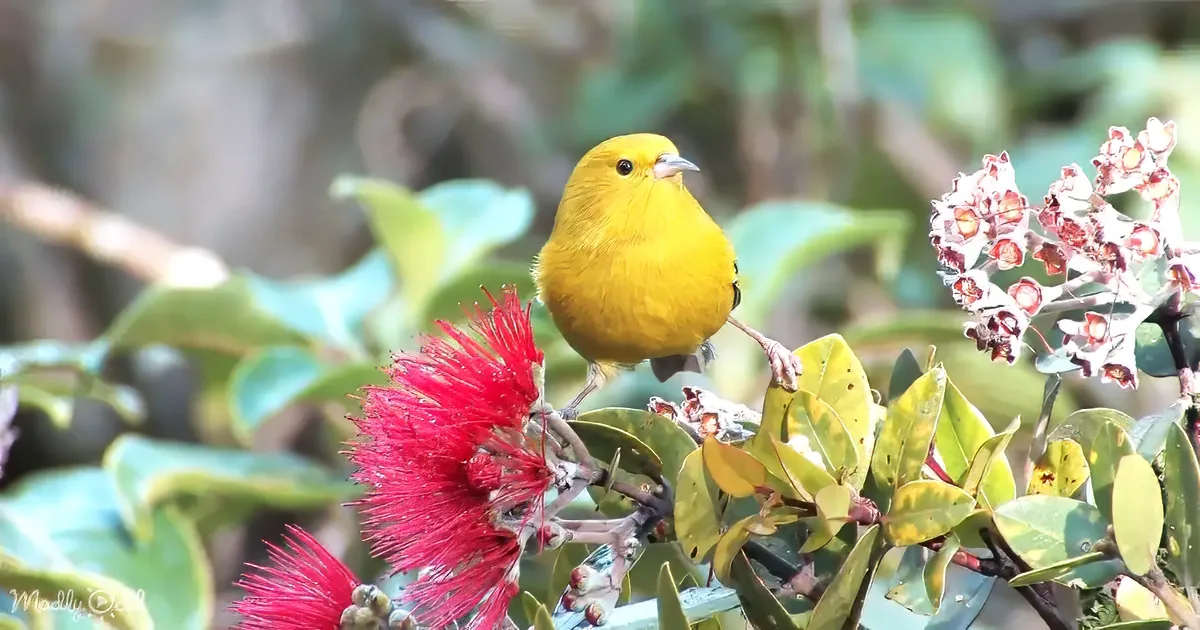
As we delve deeper into the video, we meet the "ani owl," Kauai's tiniest forest bird. Just imagine holding four pennies or ten paper clips in your hand, and you'll have a grasp of its diminutive size. This feathered beauty, resplendent in a lemon-drop yellow hue, serves as a shining example of the region's rich avian biodiversity.
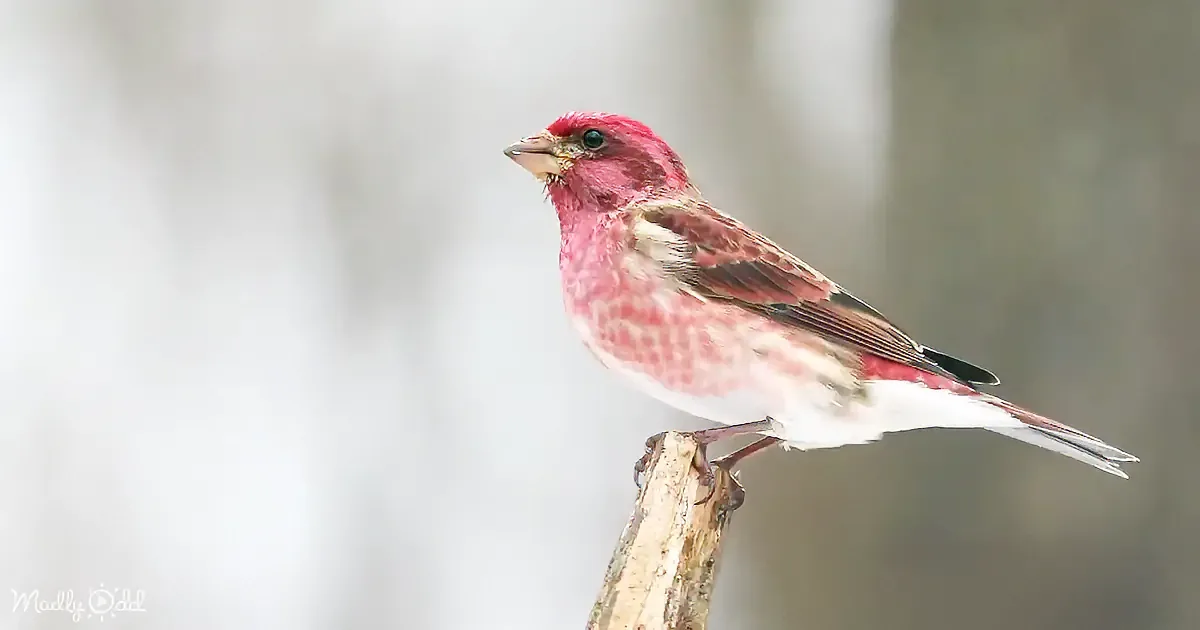
We learn about Hawaii's unique ecology. Historically, these islands were havens for birds, plants, and insects, having evolved in isolation for millions of years. This isolation meant that many creatures found in other parts of the world never reached Hawaii's shores. Birds like the honeycreepers, however, were carried by the winds, finding an uncharted paradise, ready for exploration and adaptation.
Historical accounts reveal how much indigenous Hawaiians valued these birds. Imagine, ladies by the seashore stringing honeycreepers together, not by their necks, but by their beaks, their vibrant feathers seen as treasures akin to precious metals.
It's essential for us to understand the significance of these birds beyond their striking beauty. These birds play a pivotal role in maintaining the ecological balance of the forest. The fruit-eating varieties help in dispersing seeds, ensuring the forest's continuity, while the insect-eating kinds control insect populations, ensuring the health of the trees.
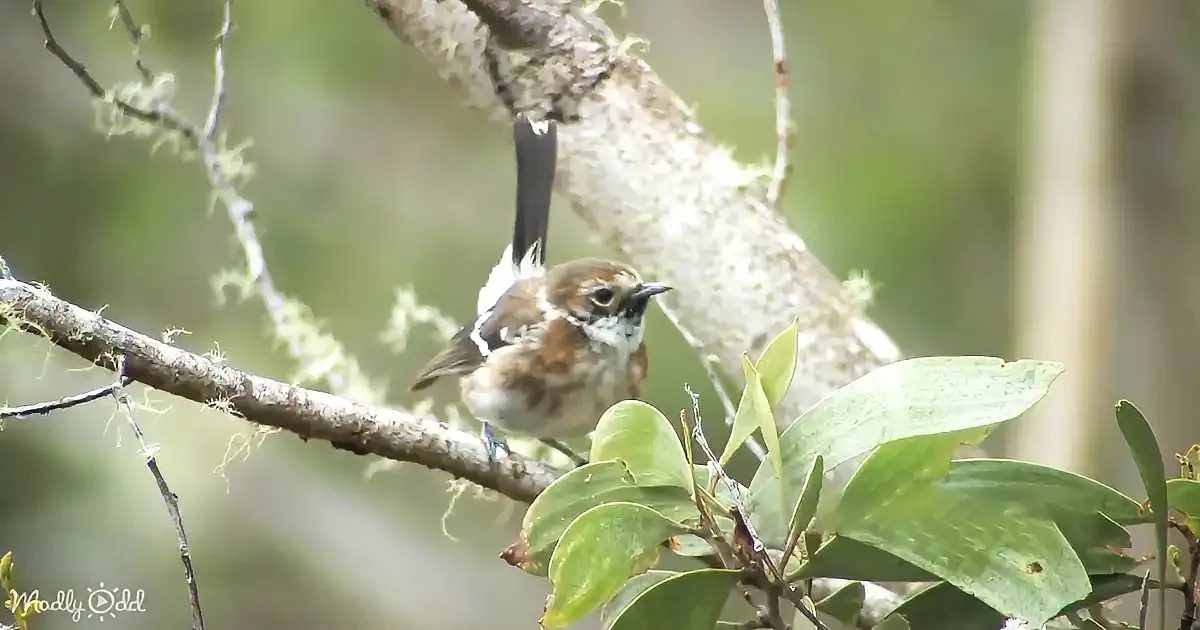
Climate change, another human-induced factor, further complicates the survival of these birds. With rising temperatures, mosquitoes are now able to breed at higher elevations. This means that places like Kauai, with its relatively lower elevation profile compared to other Hawaiian islands, are losing the cooler zones which used to act as refuges for these birds.
As members of this vast community of wildlife aficionados, we must rally behind efforts to protect and preserve these exquisite creatures. It's our responsibility. Not just because they're a treat to our eyes, but because they're vital cogs in the grand machinery of nature.
As you explore the video, you'll be swept up in the sheer magic of witnessing these honeycreepers. Their dance, their song, their vivacity—it's a call to us. And because they are symbols of nature's delicate balance, I urge you to share and like this video, letting more people know about these jewels of Kauai.