
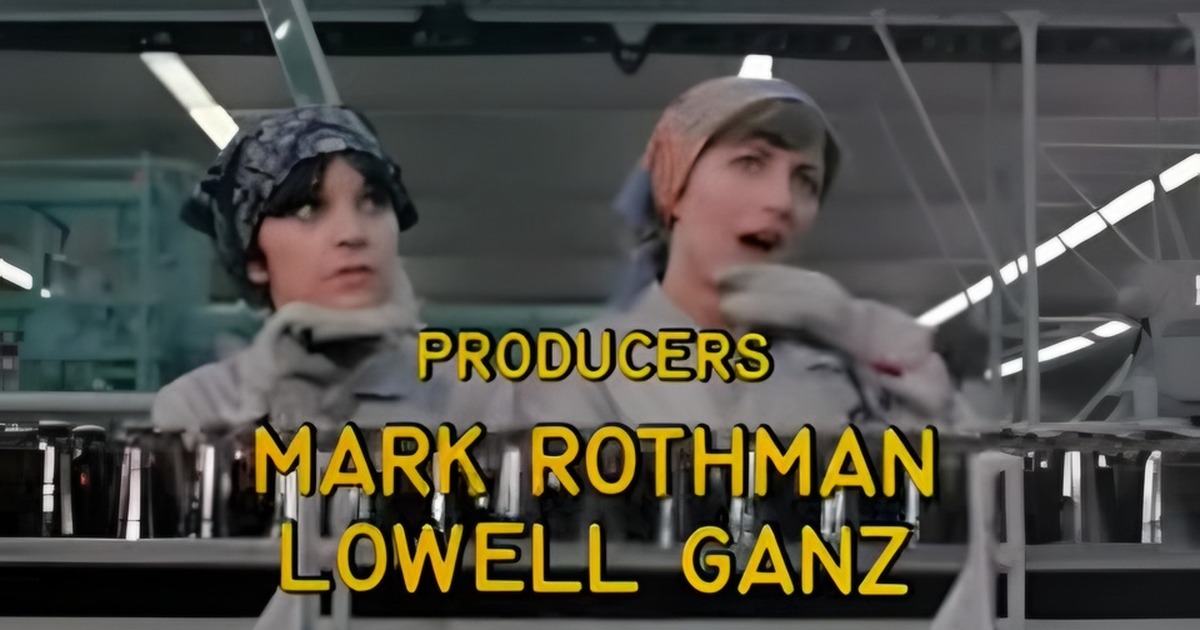
One, two, three, four, five, six, seven, eight. Schlemiel. Schlimazel. Hasenpfeffer Incorporated.
If you got to the end of that without deciding to, you already know the room you were standing in. ABC on a Tuesday night. The set in the corner, dinner cleared, eight thirty coming around again. Nearly everyone who watched could produce those words on command and nearly nobody could tell you what a single one of them meant. Cindy Williams was born on this day in 1947, and she is half the reason the words are still in there.
They came off a sidewalk. Penny Marshall grew up in the Bronx skipping to a hopscotch chant that had traveled through Yiddish-American neighborhoods, where a schlemiel is the one who spills the soup and a schlimazel is the one it lands on. Hasenpfeffer is rabbit stew. Put together it means nothing in particular, which is exactly why it stuck. A rhyme with no argument in it will outlast almost anything anybody writes on purpose.
Williams came to that sidewalk from an unlikely direction. She had done American Graffiti for George Lucas in 1973 and The Conversation for Francis Ford Coppola the year after, two films people are still writing about, and then she spent eight years capping bottles in a fictional Milwaukee brewery. She never treated the second job as a step down from the first. That is most of the measure of her.
The pairing happened almost by accident. She and Marshall turned up as one-off dates for Fonzie and Richie in a 1975 episode of Happy Days. The chemistry read in a single scene and ABC ordered a series out of it, which is not how television usually works and was never going to work twice.
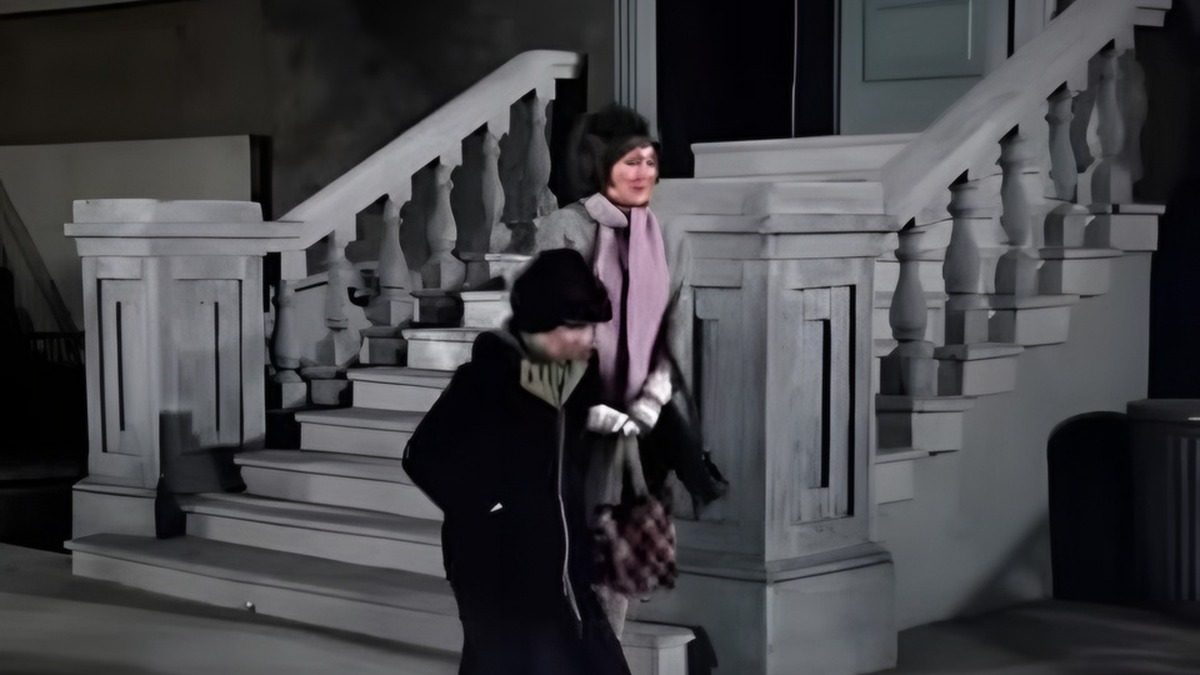
Seventy-nine seconds is not much room and the main titles use every one of them. Two women walk a street arm in arm, so the show is about a friendship and not a workplace. They run the Shotz bottling line, so they have jobs and no money. Shirley keeps the ledger, Laverne improvises, and the difference is legible in nothing more than how the two of them move. Williams plays Shirley a shade tighter through the shoulders. It is a small decision and she holds it for eight years.
Then Cyndi Grecco sings about making dreams come true and the whole thing lands on the title card.
The show went to number one. It beat the program it had spun off from. For two seasons in the late 1970s the highest rated thing on American television was a comedy about two women in a rented apartment trying to cover the rent, and the network put it at eight thirty on a Tuesday, right where a family that had finished dinner would find it.
That hour is worth sitting with for a second. Television then was a shared room with one set in it, and whoever was in the house watched whatever was on. A show at eight thirty had to work for a nine-year-old on the floor and for the adults in the chairs behind him, at the same moment, off the same joke. Laverne and Shirley solved that by being physical. The comedy is mostly bodies. Doors, ladders, a conveyor belt running faster than any two people can keep up with. Nobody ever had to explain a pie on a bottling line to a child.
What Williams was doing in there is closer to vaudeville than to the film work she came from. Broad physical comedy, on a soundstage, in front of a live audience leaning in already. She was good enough at it that it reads as easy, and it was not easy.
She left the series in its eighth season. She kept working, directed, produced, and took the stage with touring companies for years afterward.
The chant outlived all of it. Somewhere this afternoon a person in their fifties is counting to eight on a sidewalk with a grandchild and getting to schlemiel before they have decided to.
Laverne & Shirley is worth another look, and Amazon has a good amount of it. A purchase through our link sends a few cents our way and helps keep the lights on.