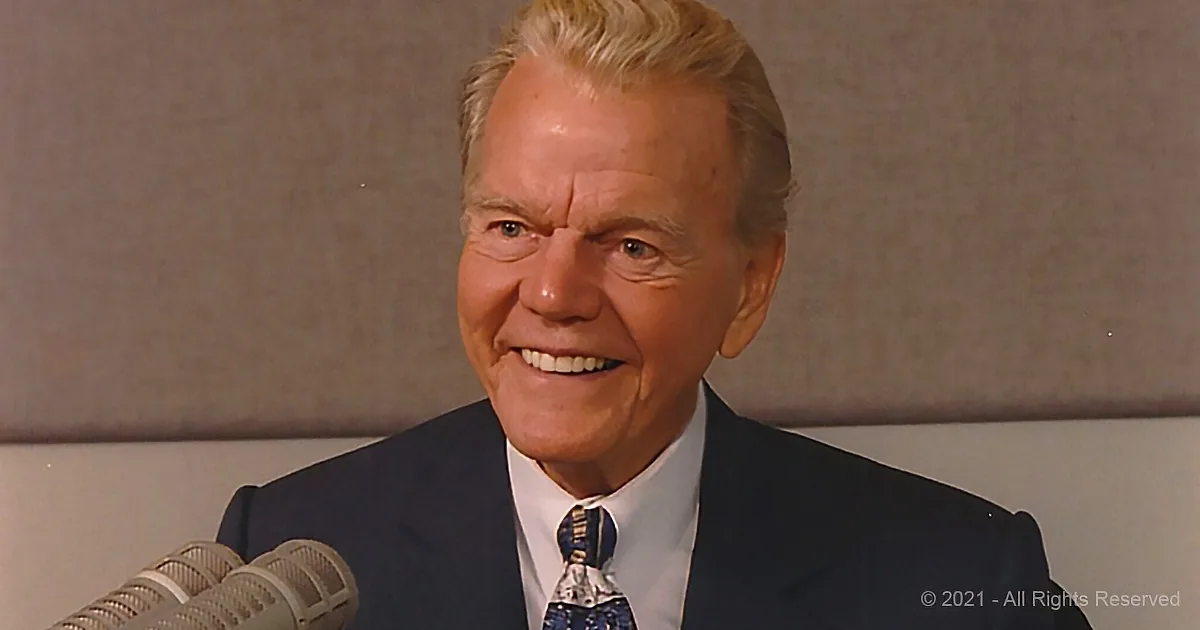
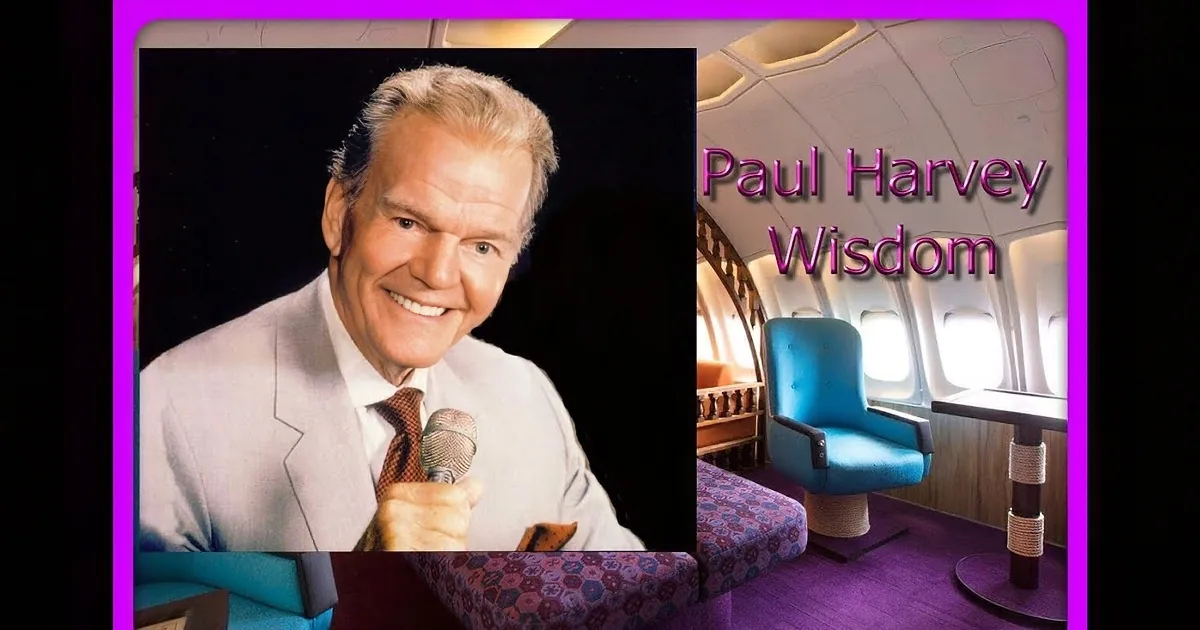
The great radio host, Paul Harvey, presented a show called ‘The Rest of the Story.’ The show consisted of stories presented as little-known or forgotten facts about various subjects. Paul Harvey would hold back the critical element of the story, like a last name or location, until the end of the tale. His words of admonishment still ring true today.
Paul Harvey starts his broadcast about laughter by saying, “It’s the antidote for any ailment. The ancient prescription!” Many physicians have called for laughter as medicine, “Specifically merriment!” In the 1300s, French surgeon Henri de Mondeville promoted the idea of treating post-operative surgery with humor. He advised relatives and friends to make the patient laugh by telling jokes.
He specifically said the patient should not get angry or dwell in sadness. In the 16th century, English educator Richard Mulcaster advised that laughter was the correct medicine for head colds and melancholy.
During the reign of King George the Third, Dr. William Batty, a pioneer in the field of mental illness, cured his patient with laughter. A young man had an inaccessible abscess in his throat, threatening him with suffocation.
After having exhausted all his medication options, Dr. Batty made silly faces and set his wig on crooked until it caused laughter that burst the abscess. This laughter saved the patient’s life.
1928 Dr. James J. Walsh published ‘Laughter and Health,’ which unravels the mystery of why laughter adds to immunity. Researchers have since studied adrenaline metabolism and the brain to determine the benefits of laughing.
Since stress is universally acknowledged as the root cause of many illnesses, it makes sense that laughter is the best medicine. Paul ends his broadcast by quoting King Solomon from the Bible, saying, “A cheerful heart is good medicine, but a crushed spirit dries up the bones.” It is a compelling argument for more laughter in our lives.