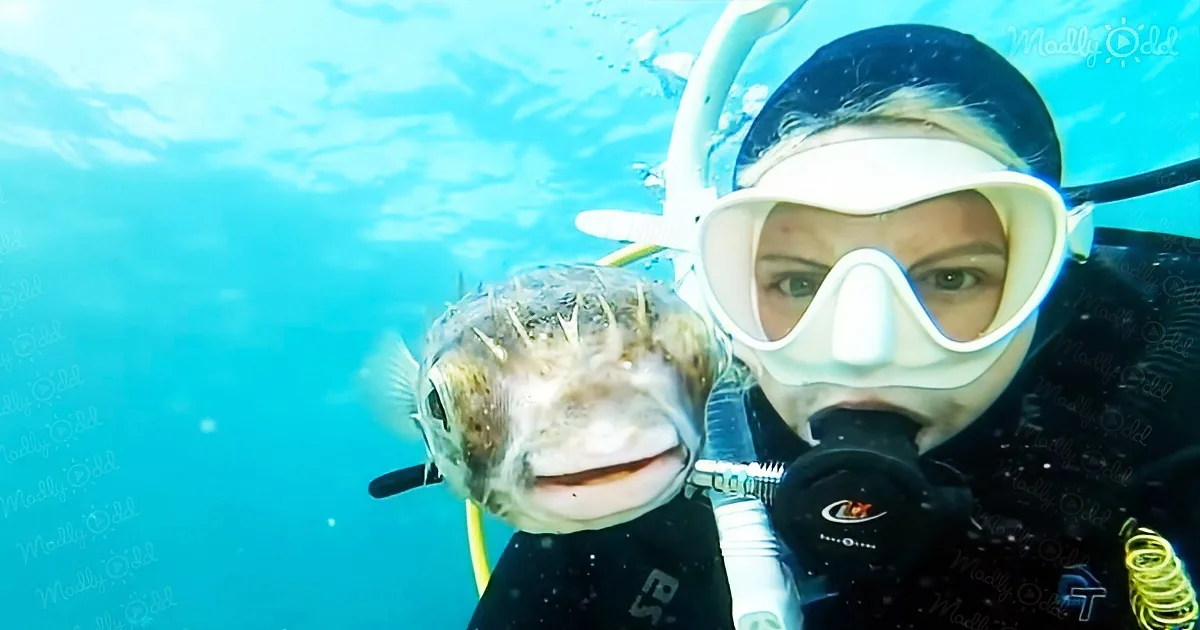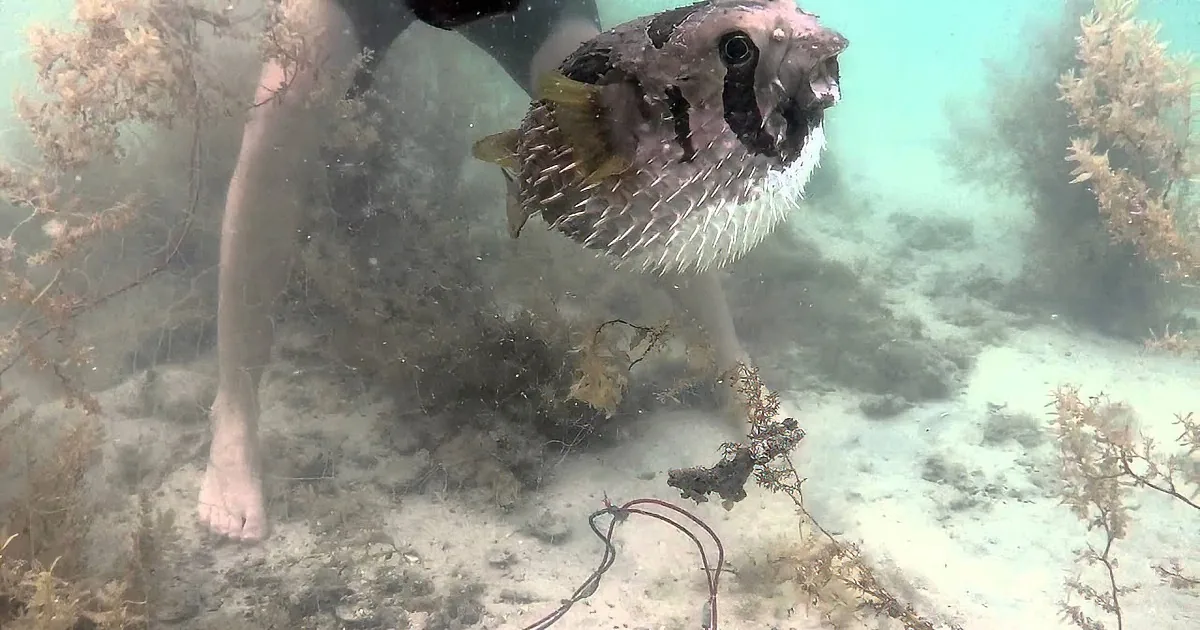
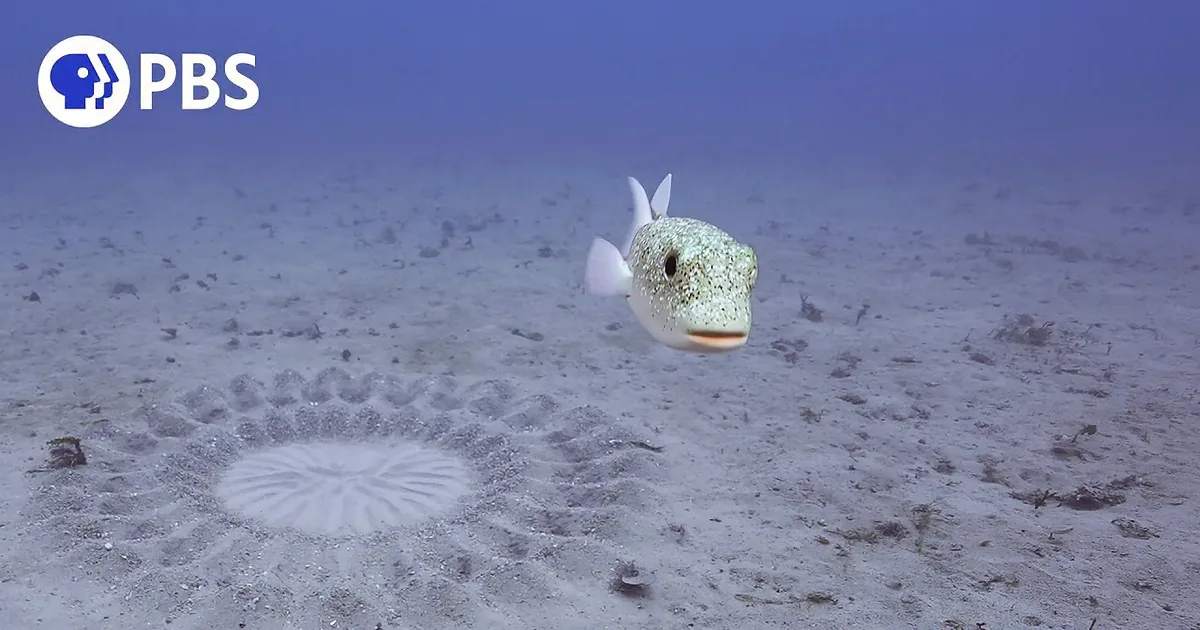
Prepare to be amazed as we dive deep into the underwater world and witness the extraordinary artistic talents of a humble creature—the Japanese male pufferfish. In an earnest attempt to attract a mate, this three-inch wonder creates intricate and mesmerizing sand mandalas, masterpieces of love that will leave you in awe.
Narrated by the legendary David Attenborough, a captivating clip from the PBS series "Big Pacific" reveals the ingenuity of the male pufferfish. With relentless determination, he sets out to create a masterpiece that will sweep potential mates off their fins.
Using his tiny body as a shovel, he meticulously shapes the sand into a perfect circle, paying special attention to every detail. But his creative prowess doesn't stop there. He decorates his sand mandala with an eye for beauty, adorning it with delicate shells and natural debris.
The result is a breathtaking display of artistry that showcases his skill, dedication, and devotion. Through this elaborate visual spectacle, he hopes to capture the heart of a discerning female pufferfish.
In the underwater realm, actions speak louder than words. The male pufferfish's sand mandala serves as a powerful symbol—a language of love that conveys his strength, creativity, and commitment to potential mates. It is a testament to his ability to provide and protect, as the mandala will eventually transform into a safe nest for their future eggs, ensuring the continuation of their lineage.
This PBS featured phenomenon highlights the astonishing diversity and ingenuity found in the animal kingdom. It serves as a reminder that nature's artistic talents are not limited to humans alone. From the vibrant plumage of birds to the intricate dances of insects, the world around us is a gallery of breathtaking creations.
Exploring the extraordinary world beneath the waves, we witness the incredible abilities of the male pufferfish. Through his dedicated craftsmanship, he weaves an aquatic tapestry that speaks volumes about his love and devotion. This story of art and courtship in the animal kingdom, as presented on PBS, is a testament to nature’s endless wonder.
Ingenious Shelter: An Octopus' Coconut Home
A captivating segment from
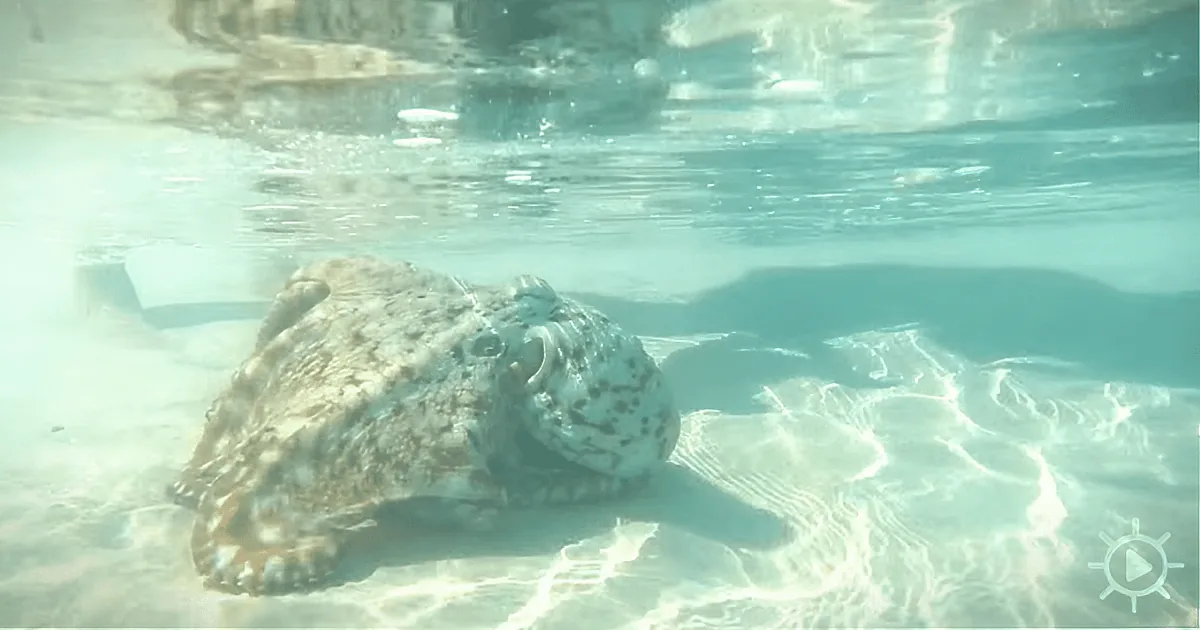
Nature on PBS showcases an octopus's remarkable ingenuity in creating a mobile shelter. This resourceful creature utilizes a discarded coconut shell to construct a protective haven, demonstrating incredible problem-solving skills. This octopus not only ensures its safety but also provides a fascinating glimpse into the adaptability and intelligence of cephalopods. The video captures this unique behavior, highlighting how even seemingly simple actions in the animal kingdom are driven by complex instincts and survival strategies.
This resourcefulness not only highlights the octopus's adaptability but also serves as a stark reminder of the impact of human debris on marine environments.
Survival in Unity: Why Are These Lobsters Doing The Conga?
Another intriguing episode from
Nature on PBS explores a unique survival strategy among lobsters. As a storm approaches, these creatures band together, forming a conga line on the ocean floor. This behavior is thought to ensure collective safety, making it harder for predators to single out any one lobster. The video provides a close look at this communal movement, offering insight into the social behaviors of lobsters that are rarely observed. It's a testament to the unexpected ways marine life adapts to the challenges of their environment.
This unusual phenomenon not only showcases the lobsters' instinctive behaviors but also emphasizes the complex social structures that exist even among marine life often perceived as solitary.
Celebrating Nature's Ingenious Artistry
The extraordinary behaviors of the Japanese male pufferfish, alongside the ingenious adaptations of the octopus and the social strategies of lobsters, showcased in the PBS series, highlight the rich tapestry of life beneath the waves. These creatures not only display remarkable abilities in art, shelter construction, and social coordination but also remind us of the complex interactions within ecosystems that are often hidden from the human eye.
This exploration into the depths reveals a world where artistry and survival coalesce, proving that nature's ingenuity knows no bounds. Whether through the creation of sand mandalas or the formation of protective conga lines, each species adapts uniquely to its environment, offering us invaluable lessons on resilience and creativity.
These stories, brought vividly to life by PBS, serve as a reminder of the wonders of the natural world and the endless discoveries that await us, urging us to look closer and appreciate the nuances of the world around us. Each tale is a testament to the fact that even in the ocean's depths, there are narratives of love, community, and survival that are as compelling as any found on land.
For more incredible insights into the natural world and to watch these fascinating behaviors, visit the Nature by PBS YouTube channel at Nature by PBS.