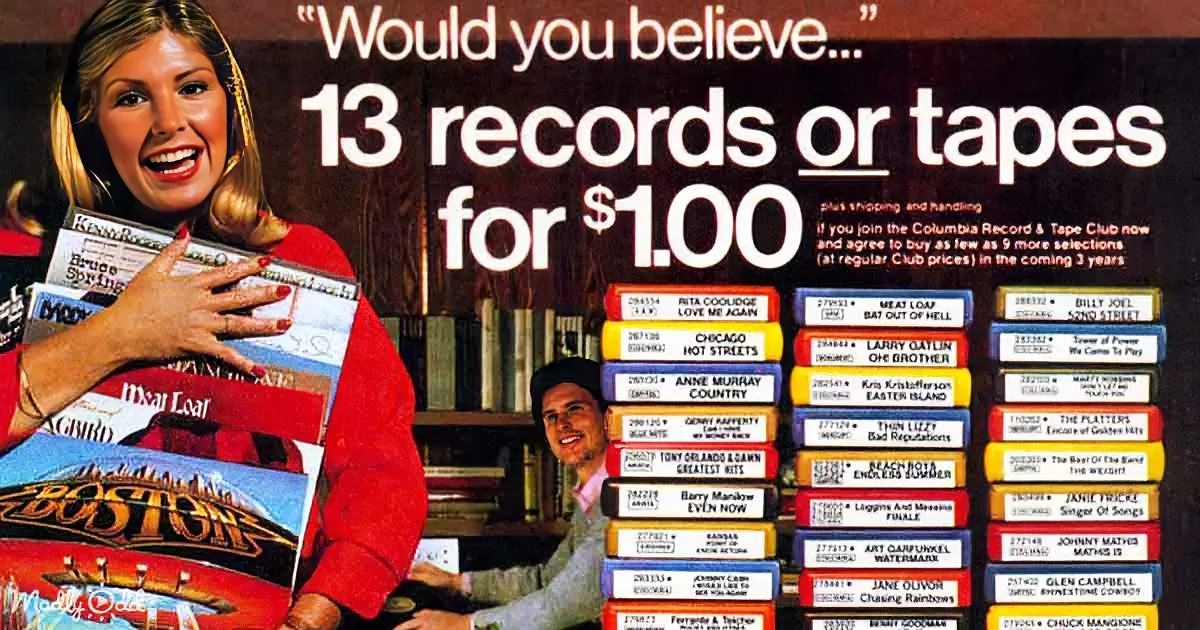
Do you remember the Columbia Record and Tape Club? This music marketing through mail started in 1955 and quickly became a popular way of getting new music. The commercial from 1977 will bring back the memories of receiving new music in the mail!
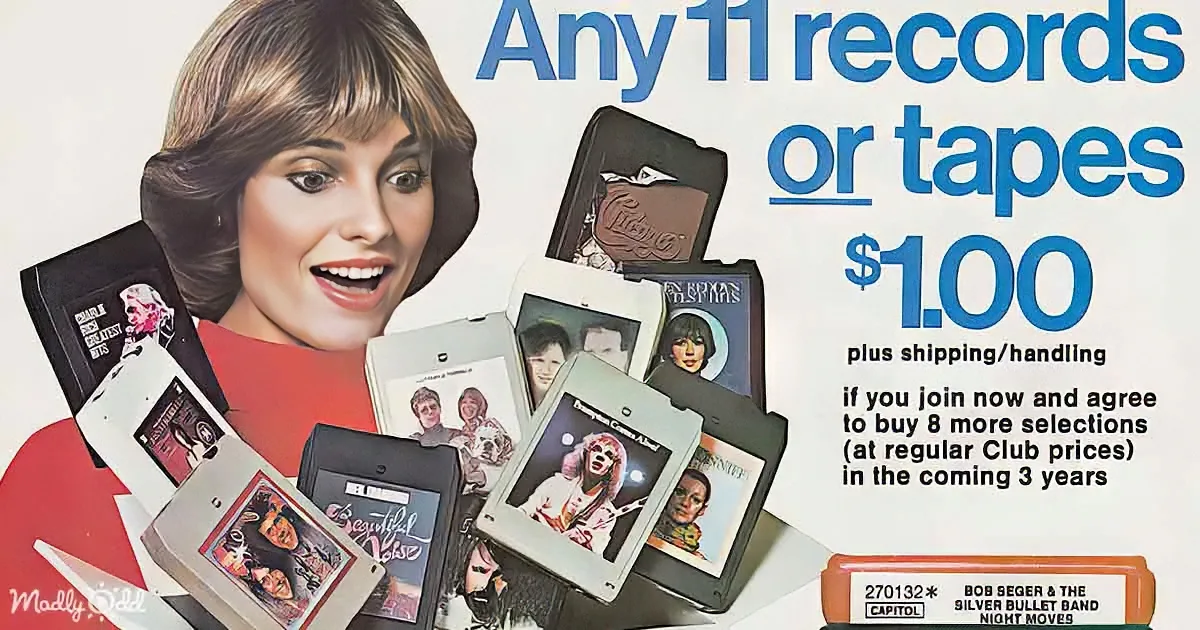
The club was an easy and cheap way to get the music you wanted. You would send a monthly postcard back to receive your favorite albums. If you forgot, you would get random albums!
New members were enticed with a free record just for joining. By the end of 1955, the club had over 125,000 members who purchased 700,000 records. In the second year of operations, the club sold over 7 million records.
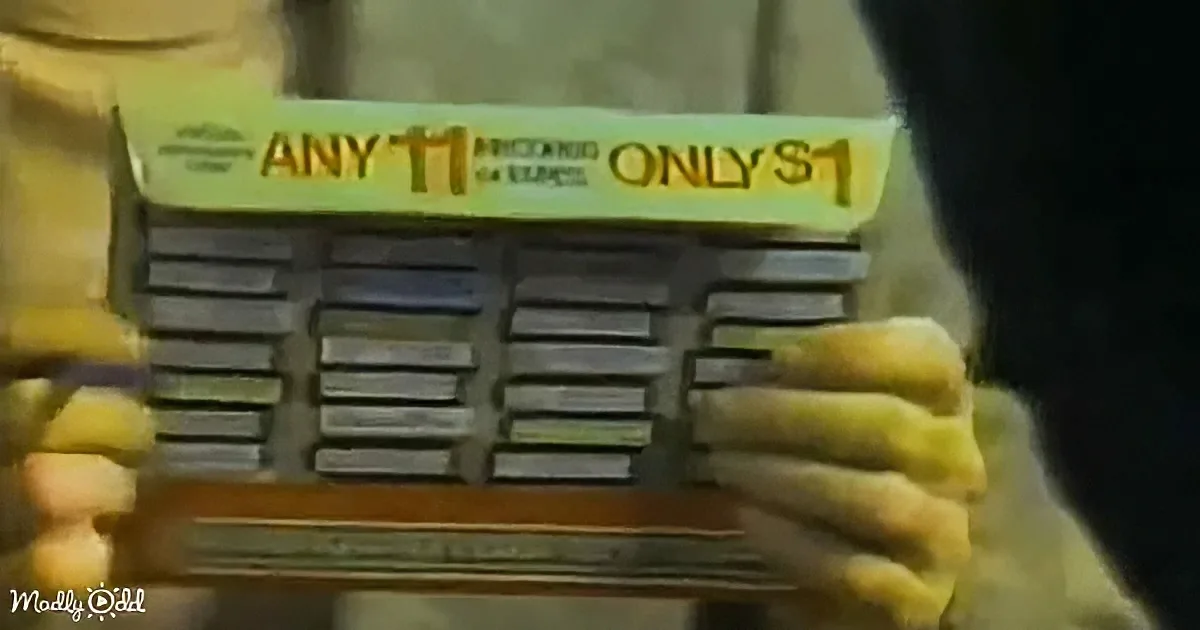
Although some marketing strategies changed over the years, the staple tactic was to give away some free albums or tapes if the customer taped a penny to the postcard. The postcard had stamps of pictures of the album cover that customers would place on the card to select.
The Columbia House envelopes were sent to everyone, with certain people receiving better offers. You could get 12 albums you wanted with simply the promise of buying four more albums in the next two years.

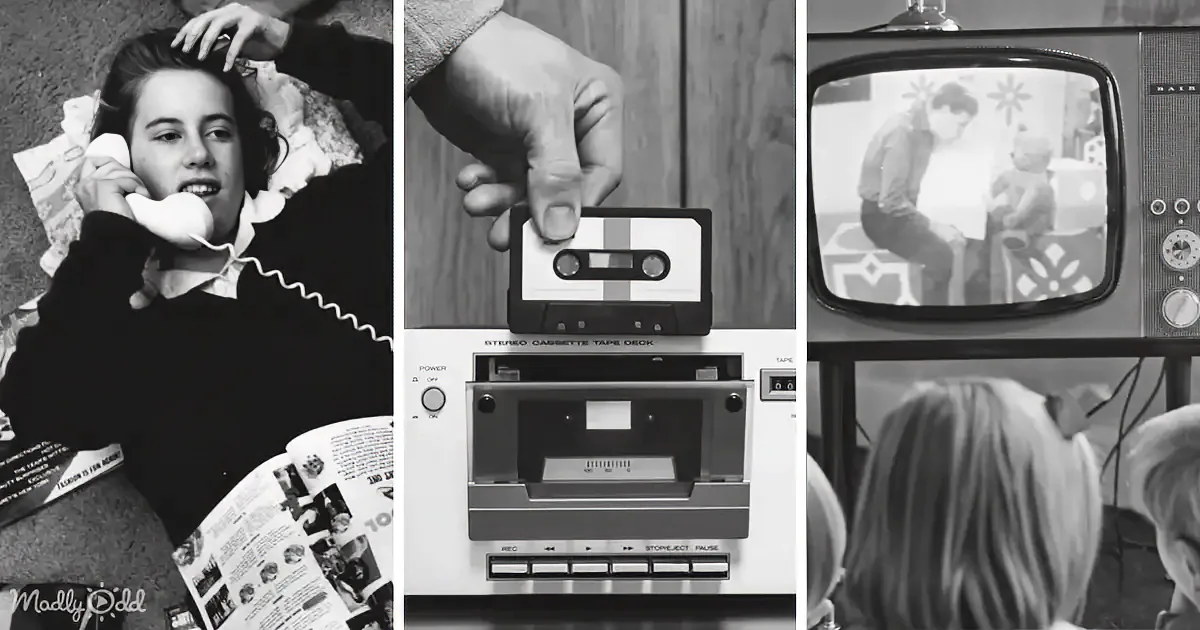
Most of this mail was intercepted by the teenagers of the household, who quickly took advantage of the offer, leaving their parents on the hook for the bill. Other teens found a way to work the system, scamming Columbia House out of millions of albums.
Once they realized that the club’s legal agreement wasn’t enforceable, it was open season. In the 1977 commercial, a man in a turtleneck shirt and sport coat offers 12 albums for $1. The commercial also features great music from the era, including Barry Manilow, Kiss, and Peter Frampton.