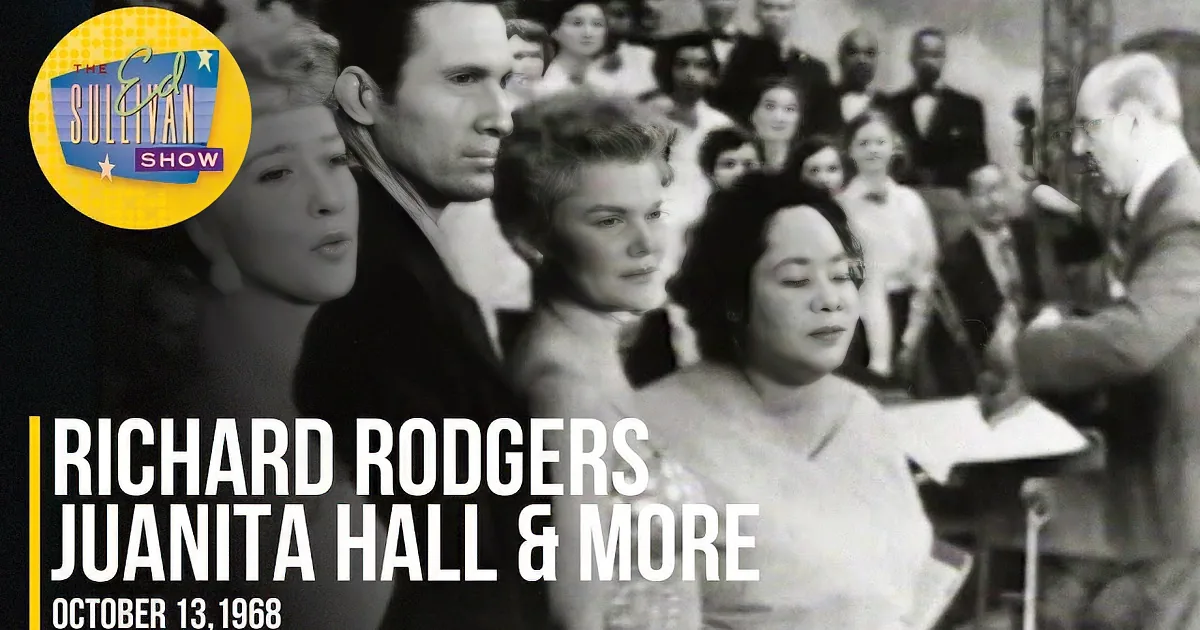
On June 22, 1952, the world was graced with a touching performance of 'You'll Never Walk Alone,' performed live on The Ed Sullivan Show by Richard Rodgers, Juanita Hall, Martha Wright, John Raitt, and Celeste Holm. The airs were filled with a soul-stirring melody that, to this day, revives the enchanting ambience of that era.
This ensemble, led by the illustrious Rodgers, painted a magical scenery with their voices, each note weaving through the silent admiration of the audience. The studio, humbly lit and intimately arranged, was a haven where hearts listened, eyes glistened, and souls touched the divine strings of connection.
Their voices, harmonizing in a graceful dance, painted images of serene landscapes, embodying the quintessence of 1952’s simplicity and grace. Every note was a narrative, every lyric a journey, echoing the unspoken dreams and silent hopes of a generation.
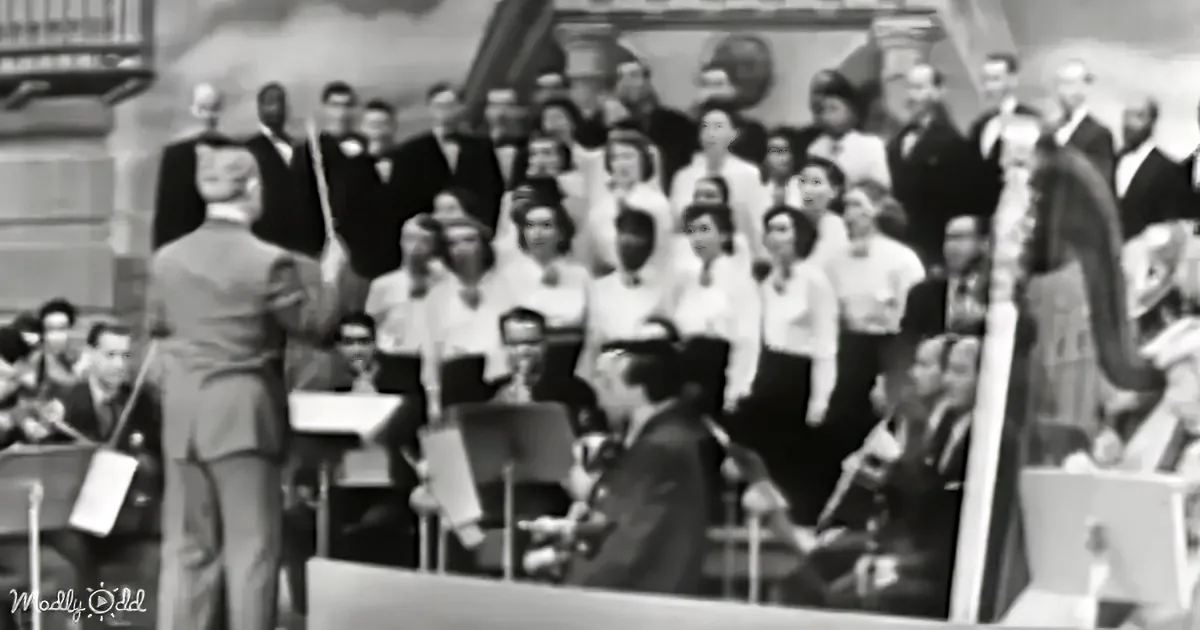
Richard Rodgers, born in New York City, had a flair for creating melodies that lingered in the soul. By 1952, at the age of 40, his collaborations with Lorenz Hart and Oscar Hammerstein II had already given the world timeless gems like 'Oklahoma!' and 'The Sound of Music.'
1952 was a year adorned with innovation and the heralding of prosperity. Amidst this, 'You'll Never Walk Alone,' crafted meticulously in the confines of artistry and perfection, graced the Billboard charts, not just as a song, but as an anthem of hope and unity.
The musical arrangement was a harmonious blend of instrumental sophistication and vocal purity. Rodgers’ mastery was evident, as the synergy of the piano, strings, and vocals narrated a story that transcended mere lyrics and melodies.
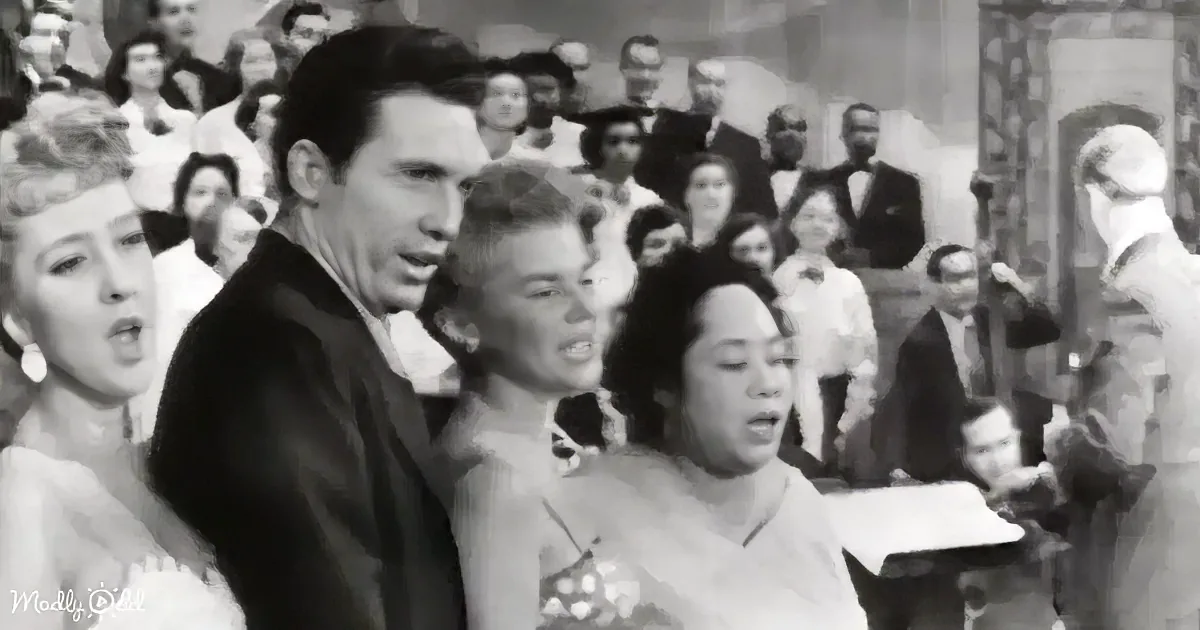
Amidst the melodies and lyrics, the presence of a televised interracial choir in an era of budding television technology showcased the power of music to transcend boundaries, echoing a silent, yet potent narrative of unity amidst diversity.