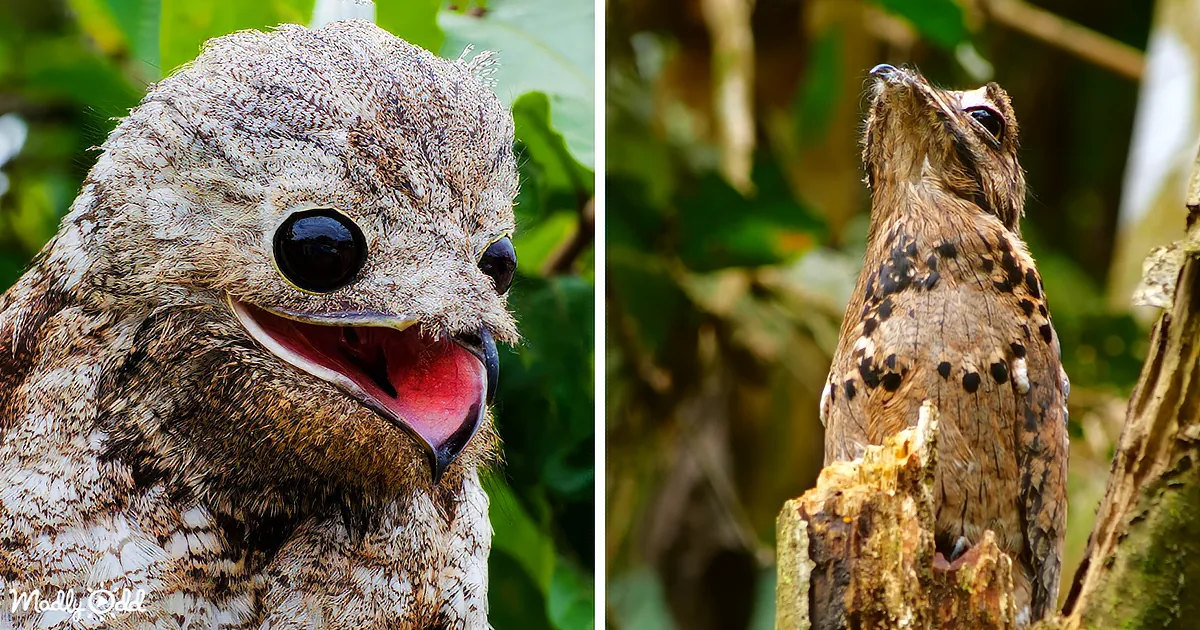
If you're a bird enthusiast or love adorable animals, Potoos will surely capture your heart. These wide-eyed birds, with their big bills and soft feathers, are fascinating and unique creatures that inhabit the tropical regions of Central and South America.
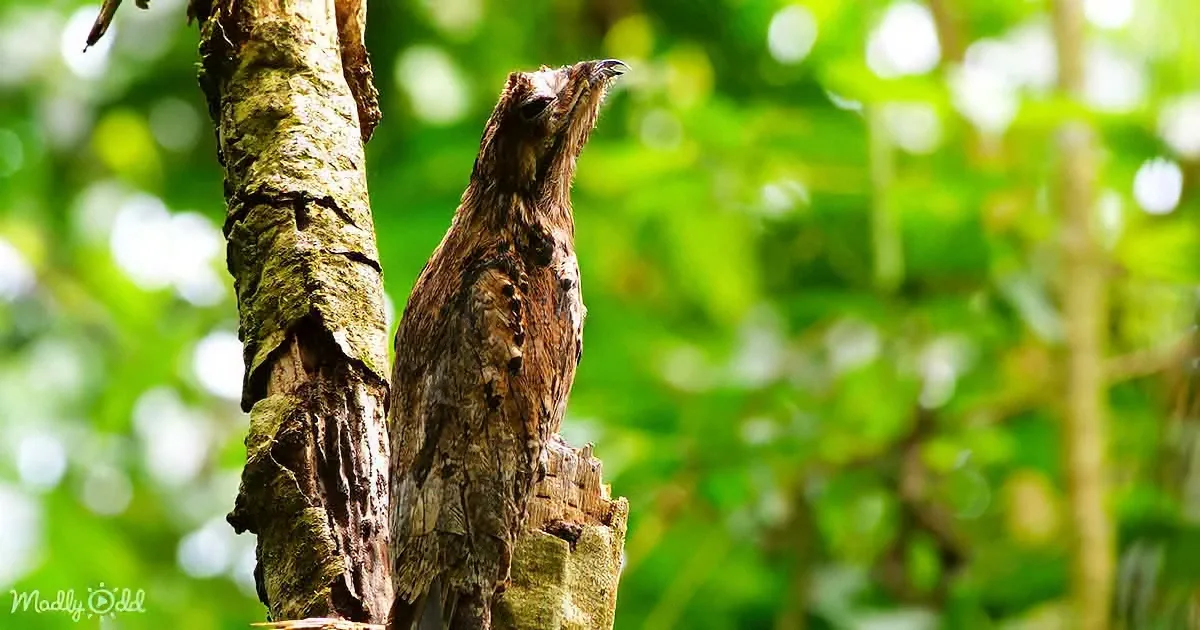
Despite their eerie appearance, these birds are anything but scary. They are harmless to larger animals and rely on their natural camouflage to avoid predator detection. During the day, they sit still on a branch, adjusting their head to blend in with their surroundings, making them almost impossible to spot.
But once the sun sets, the Potoos come alive, taking a flight to hunt for their favorite prey, insects. Their large eyes are perfectly adapted to low-light situations. This allows them to easily navigate the dark rainforest. And with their bills that open from ear to ear, they are equipped to catch and devour even the most significant insects, making them a formidable predator.
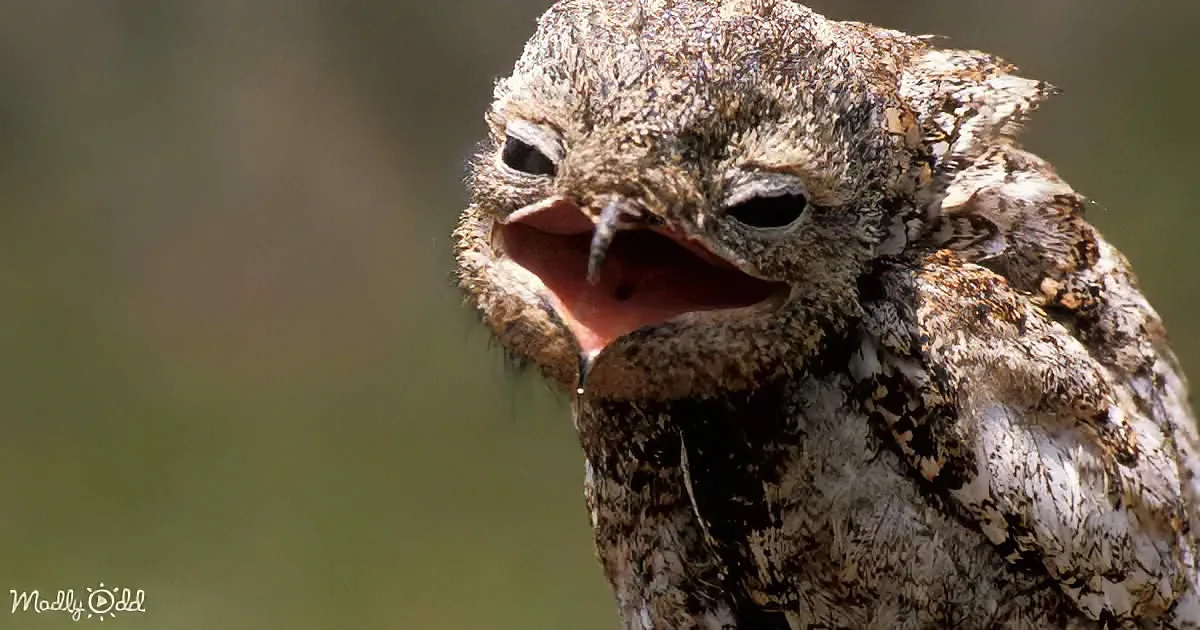
The Potoos are fascinating creatures that have adapted to thrive in their unique environment. There are seven species of Potoos, each with distinct calls and ranging in size from 30 to 70 cm. They have even adapted to different habitats, from Colombia's dry deserts to the Brazilian Pantanal's wetlands.
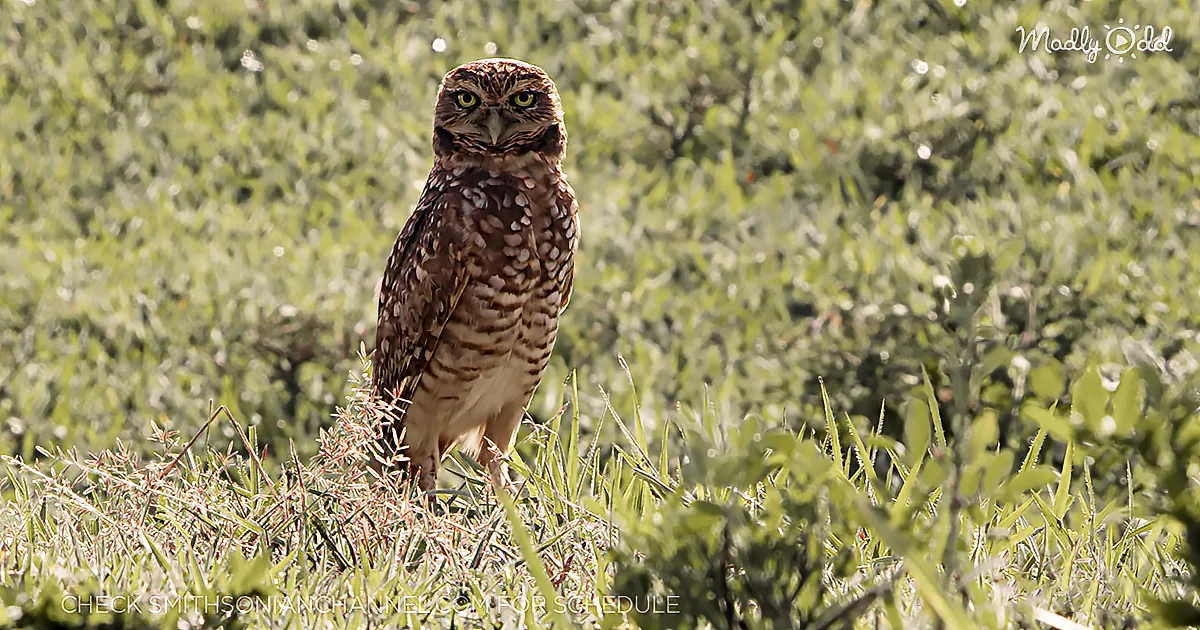
Despite their similarities in appearance to owls, Potoos are not related. Instead, they belong to the nightjar family, and their resemblance to owls is a case of convergent evolution. However, they share some similarities with hummingbirds, as they lack the facial disc found in owls.
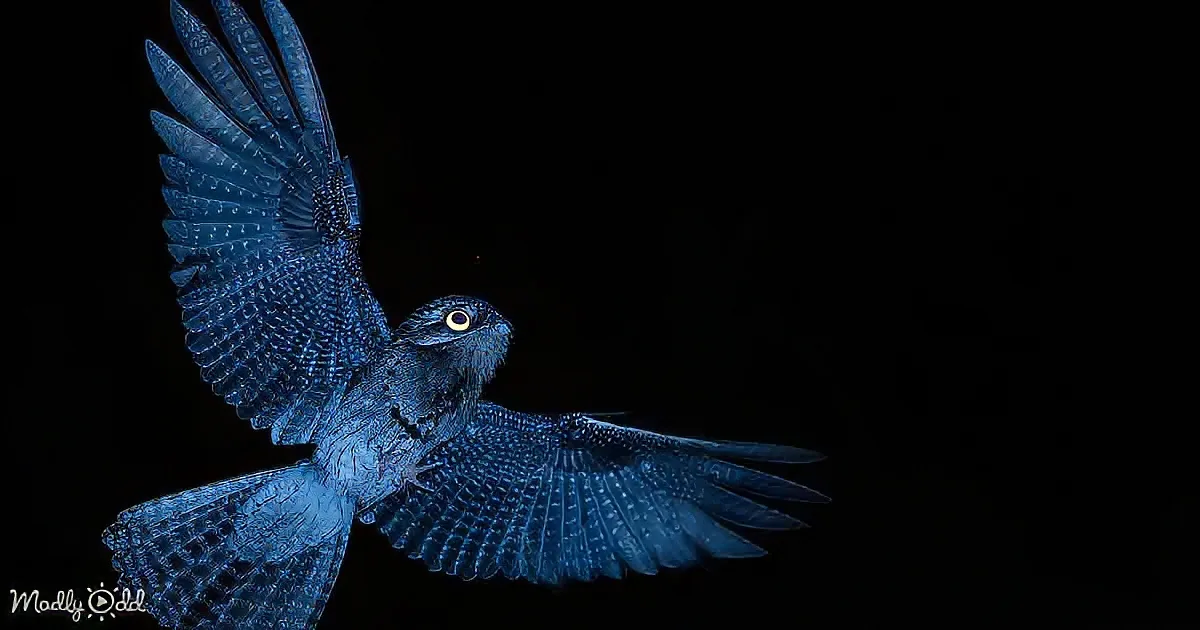
One of the Potoos' unique features is their nesting strategy. They lay their eggs on concave branches, and both parents take an active role in feeding their young. After a month of care, the babies hatch and are ready to live independently.
If you ever get to observe Potoos up close, you'll be amazed by their hauntingly cute appearance. With their big, bright eyes and fluffy feathers, it's hard not to fall in love with these birds.