Most cat owners are probably entirely unaware of what a primordial pouch is on their cat. Although they rub it all of the time, they're utterly clueless about what it is.
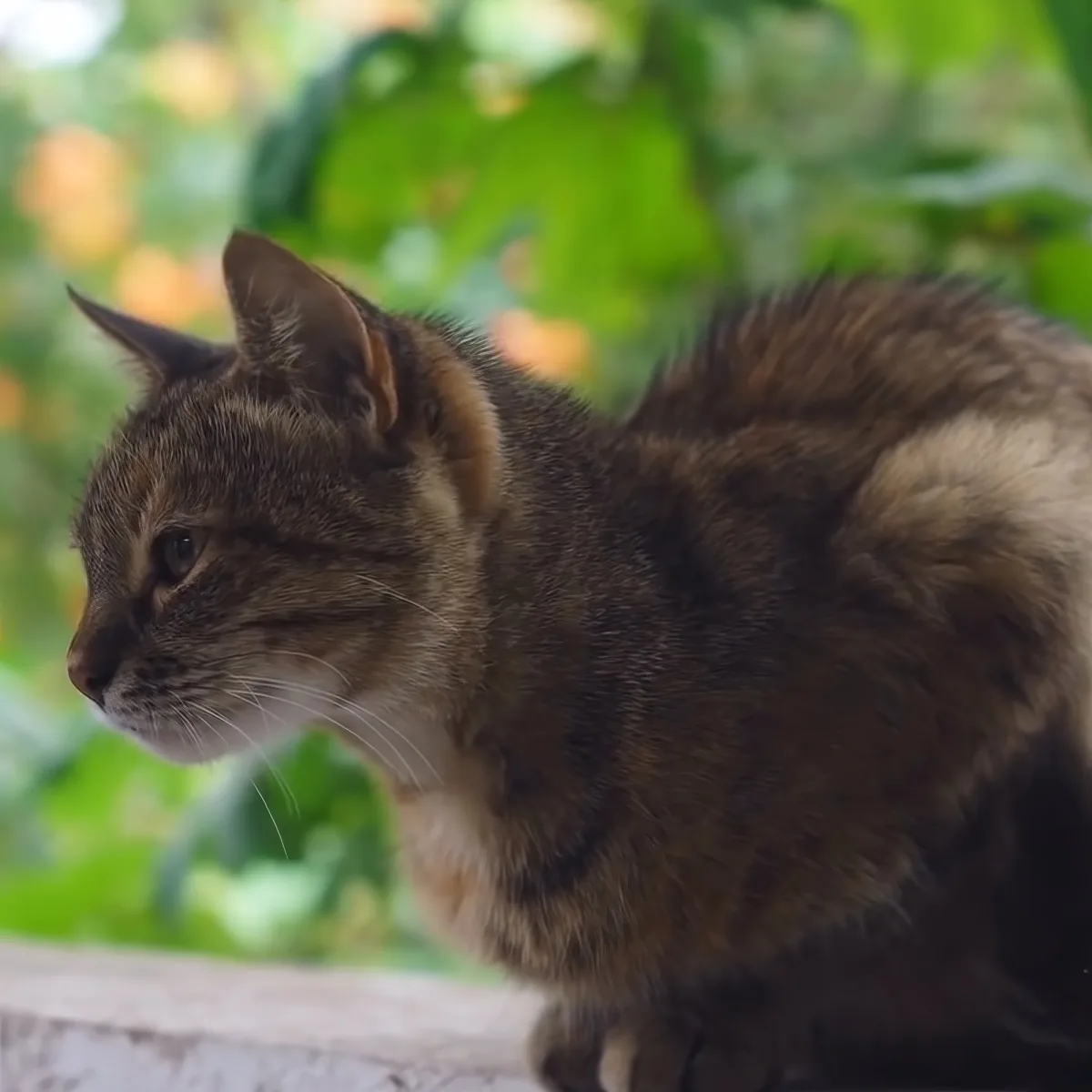
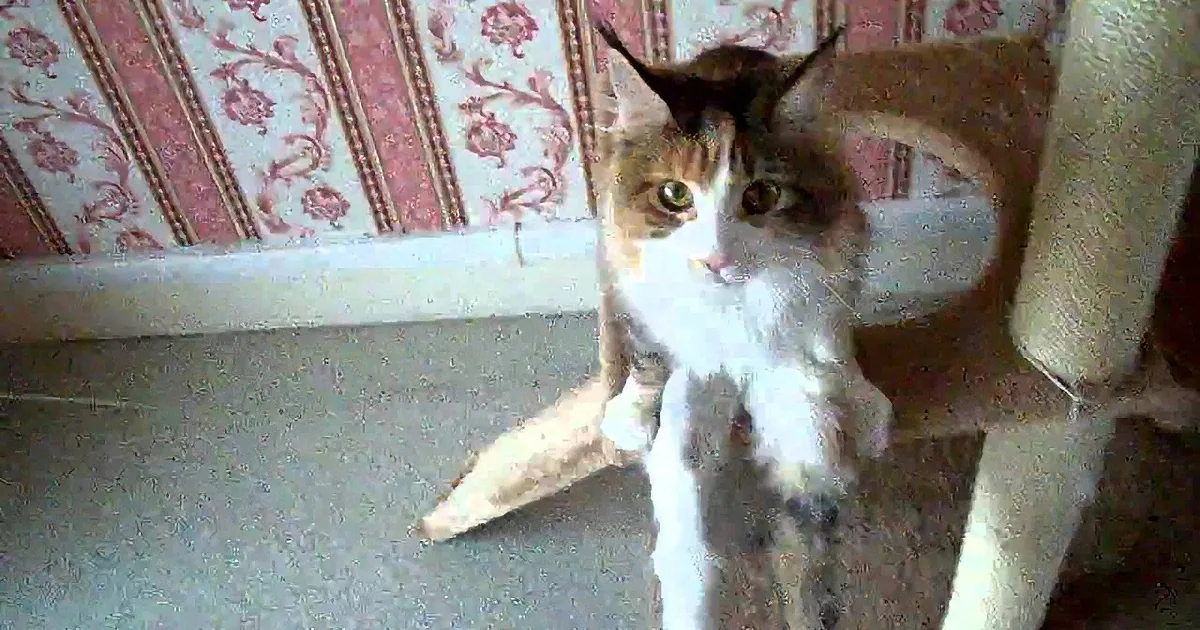
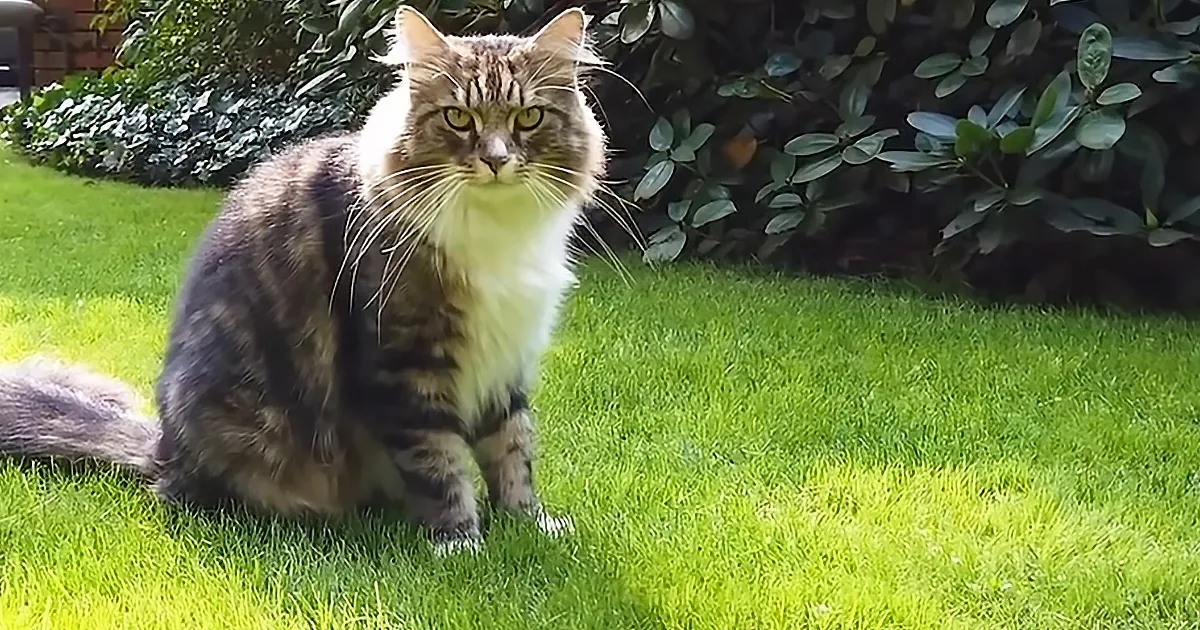
A flap of excess skin swings and moves as the cat runs around. The primordial pouch will usually show up in adult cats. Still, it can also be apparent in cats as young as 6 months old.
A trait passed down from before cats were domesticated, the primordial pouch once played an essential role in cats' survival in times of scarcity. So why is it apparent in domestic cats?
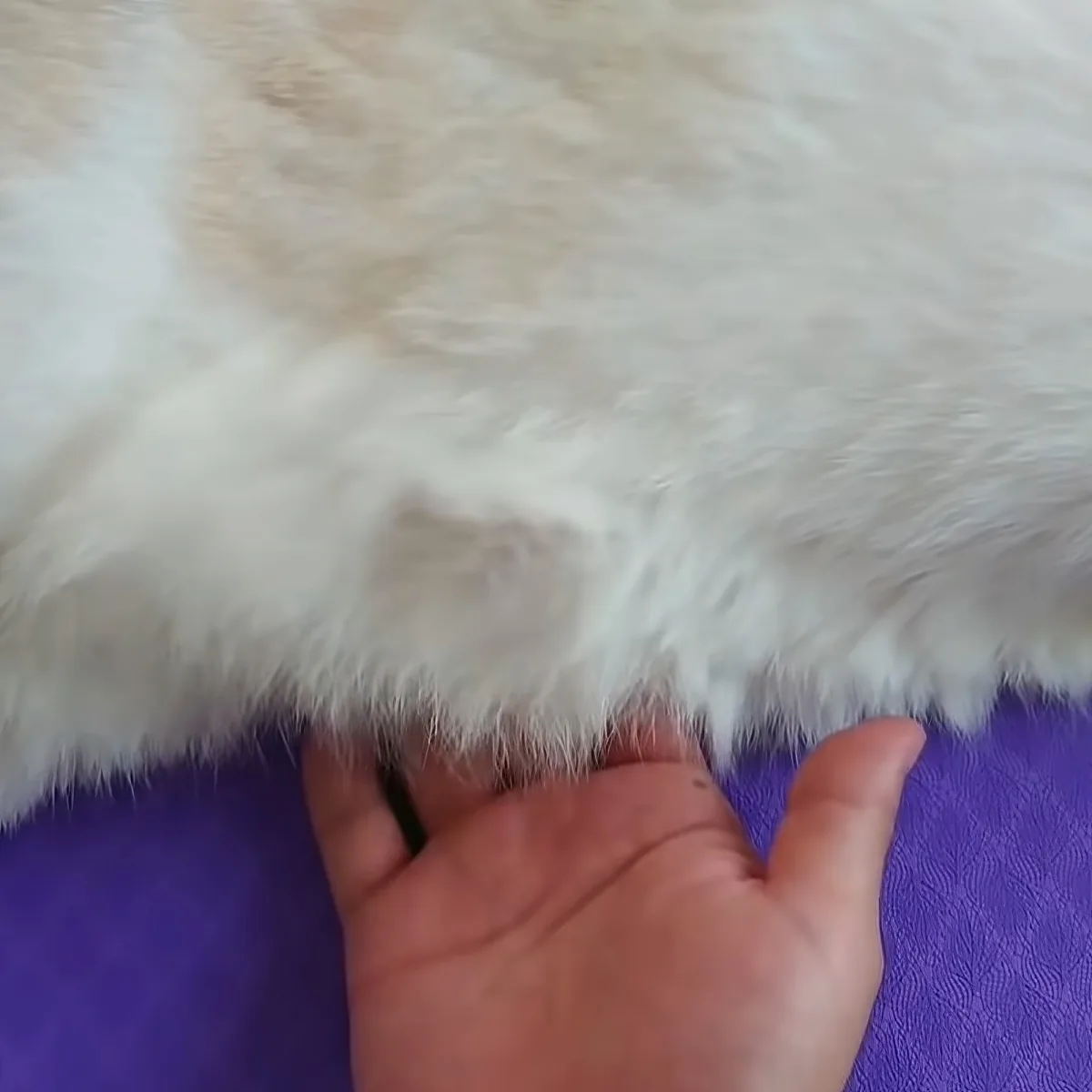
Domesticated cats have their needs met by humans and technically don't need a primordial pouch anymore. But it is still retained for a few different functions within the cat.
The first reason is that the primordial pouch acts as a cat's food reserve. It stores fat that is useful to obtain energy during food scarcity.
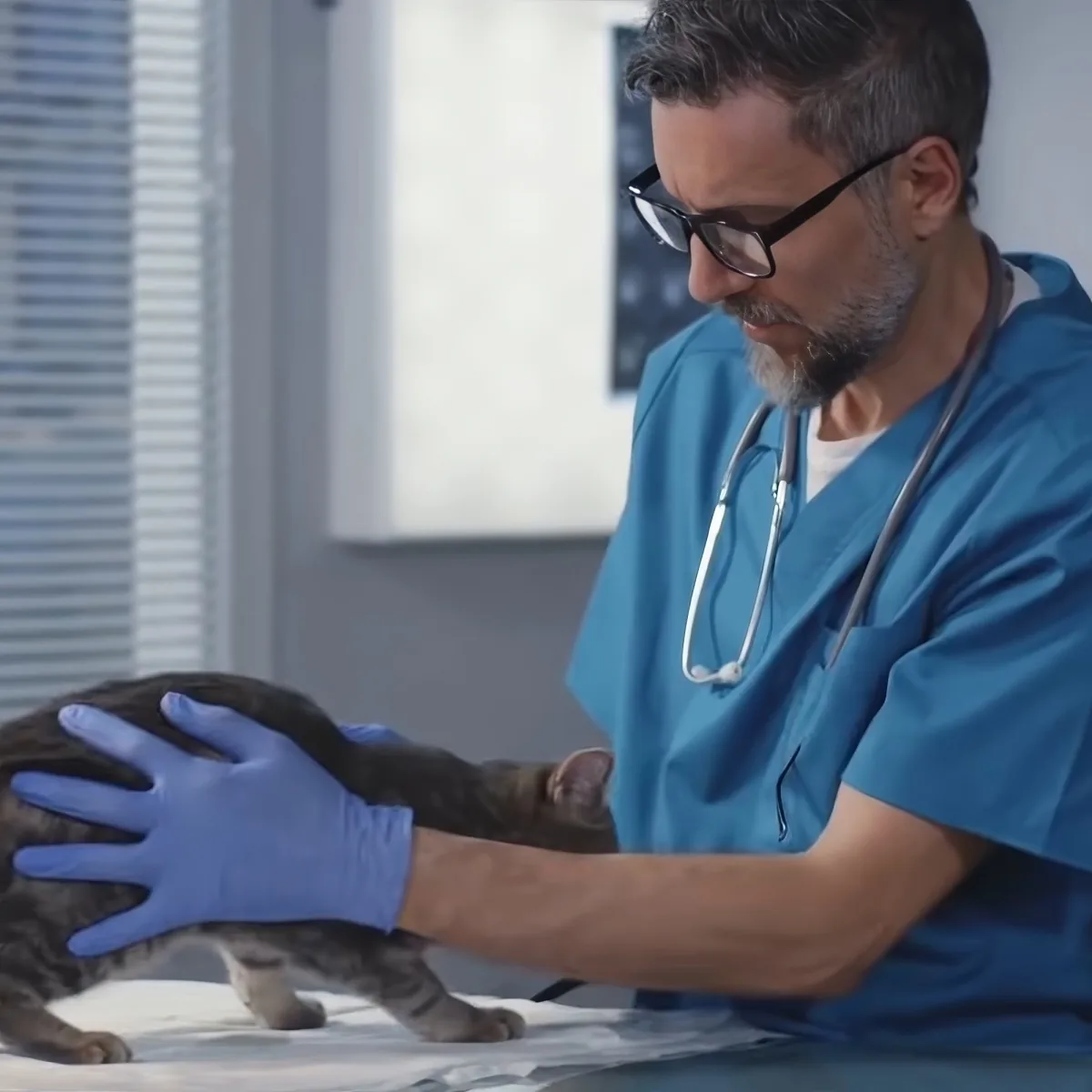
Expanding skin can actually store excessive food during times of abundance, allowing them to hold onto nutritious foods for more extended periods.
It's very cool to see how cats have adapted to survive. While the primordial pouch might seem just like a big fluffy area to pet, it actually serves a much larger purpose. It's just another way that cats are survivors.