Some things we use every day are taken for granted. The items are so commonplace that many people don’t even realize how long they’ve been around. Simple items that appear in our daily lives have changed over time.
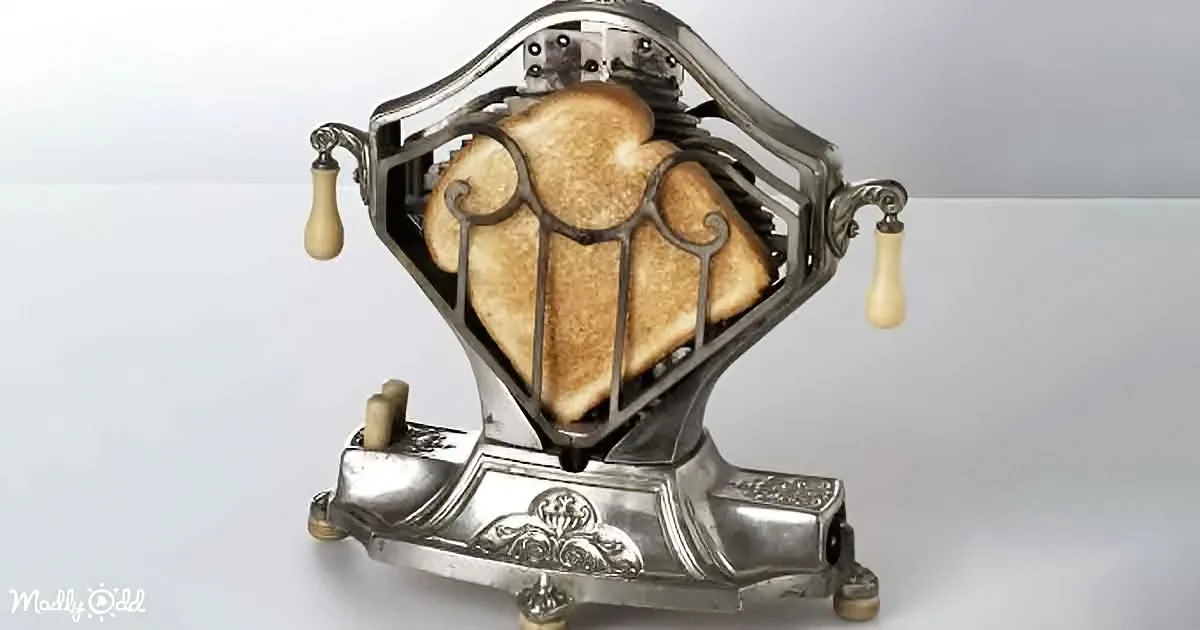
Take toast, for example. If you wanted to have toast in the 1920s, it had to be manually flipped on both sides. The gadget that toasted the bread looked like a mini-jail for bread.
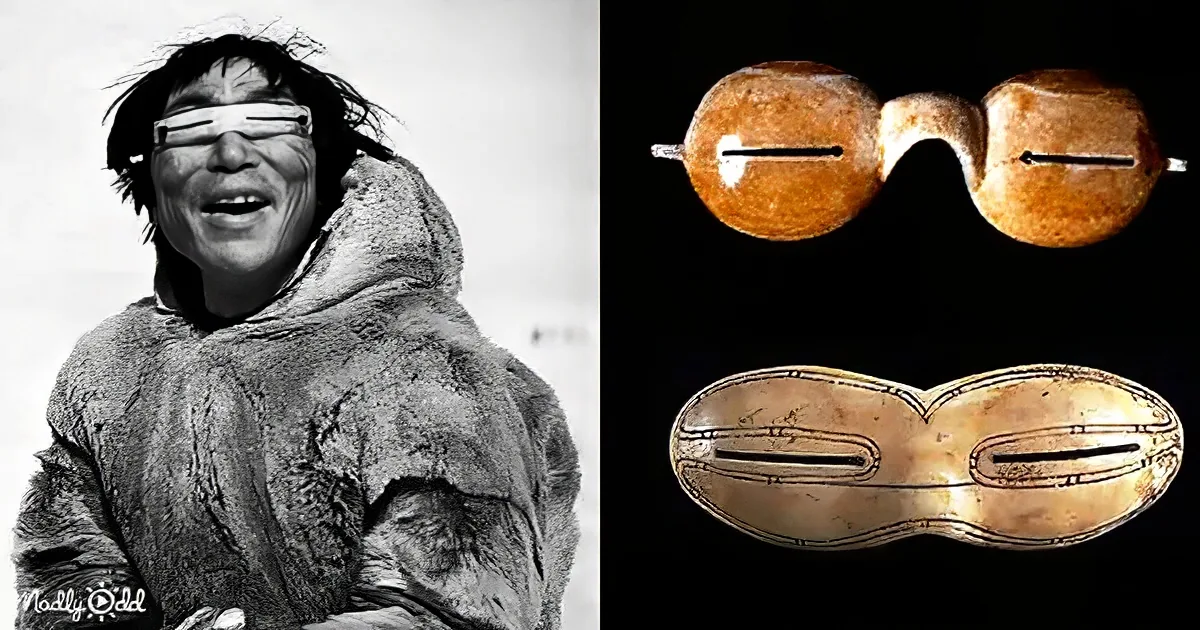
Sunglasses have been around for a shocking 4,000 years. They were initially made of flat walrus ivory in the shape of glasses, and they had tiny slits in them so the user could still see. They weren’t very easy to see through, but they worked to block UV light and prevent snow blindness.
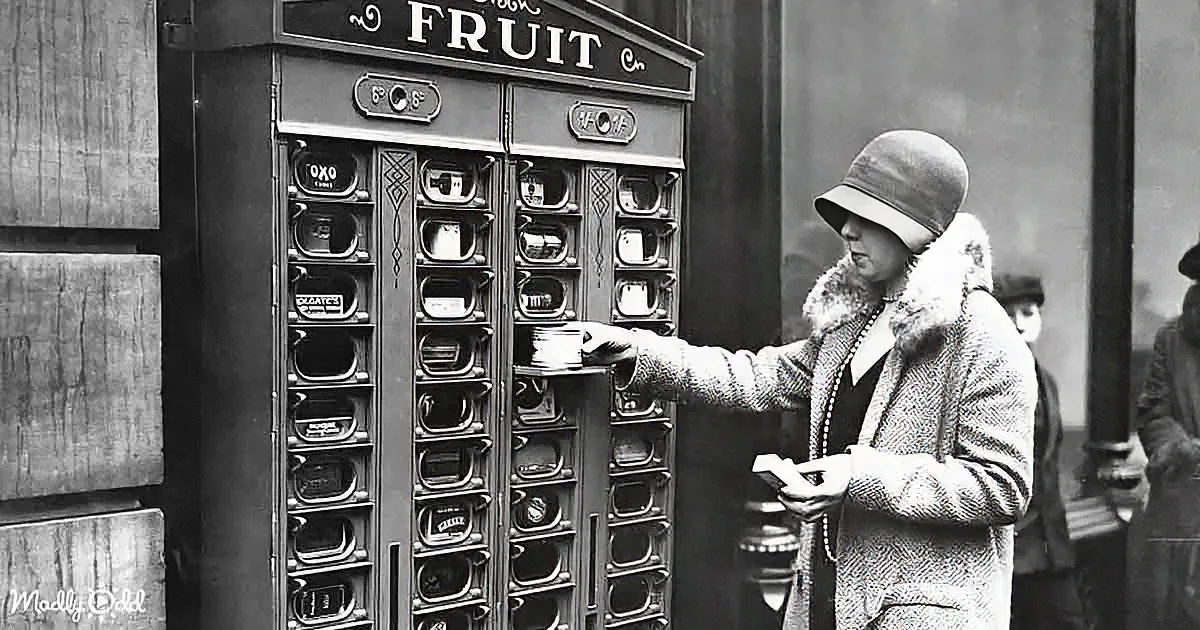
Another item that has been around since the 1800s was made in England. Vending machines looked different than they do now, mainly because they dispensed fruit. They were big, tall boxes with tiny little windows showing fruit products with coin slots to pay.

Belt buckles also changed over the years. They were primarily worn by rich people to display their social status. The old-style belt buckles are similar to fighting or rodeo championship belts. The bigger the buckle, the richer the person.
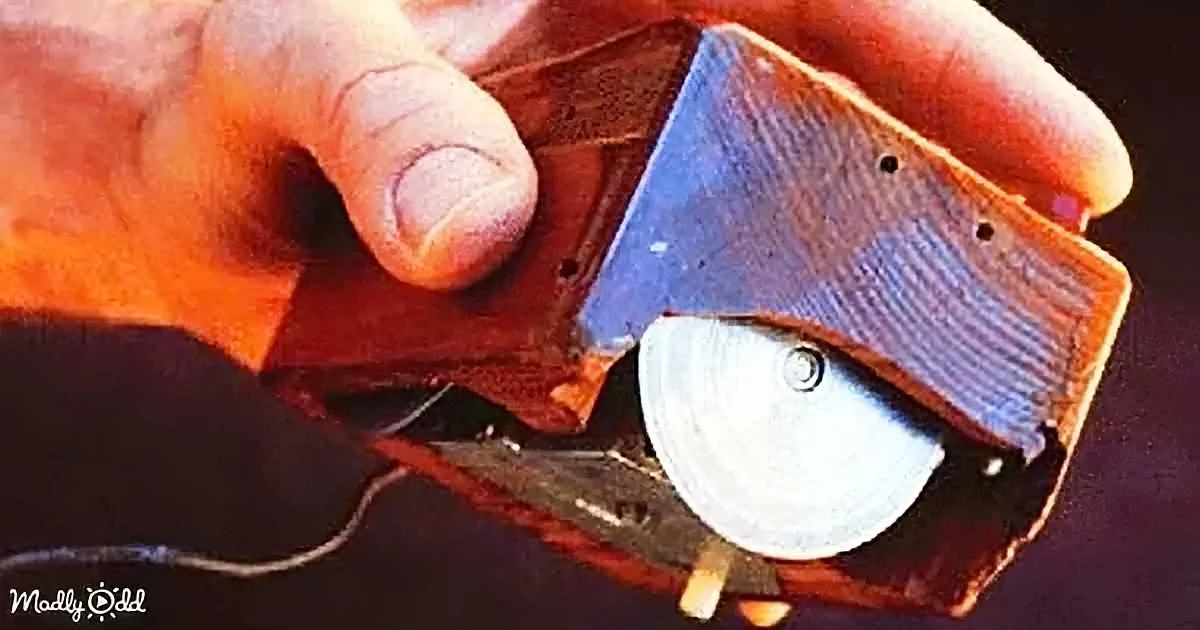
The computer mouse also went through some changes after it debuted in 1964. It used to be in the shape of a box with a singular button, and it was named after the attached cord that looked like a mouse’s tail. It was invented by Douglas Engelbart, who created a wooden box with two rolling wheels at the bottom.
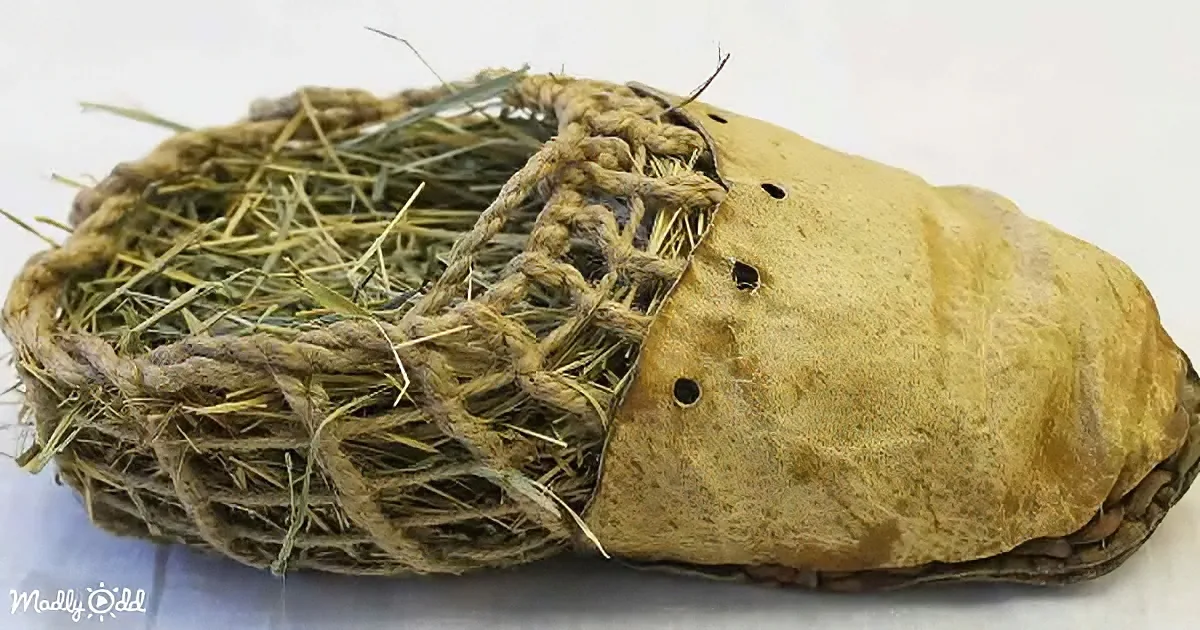
Leather shoes, retro shopping lists, antique calculators, and beard trimmers also changed over time. It is fascinating to see the differences through pictures that chronicle the changes in everyday items we still use now.