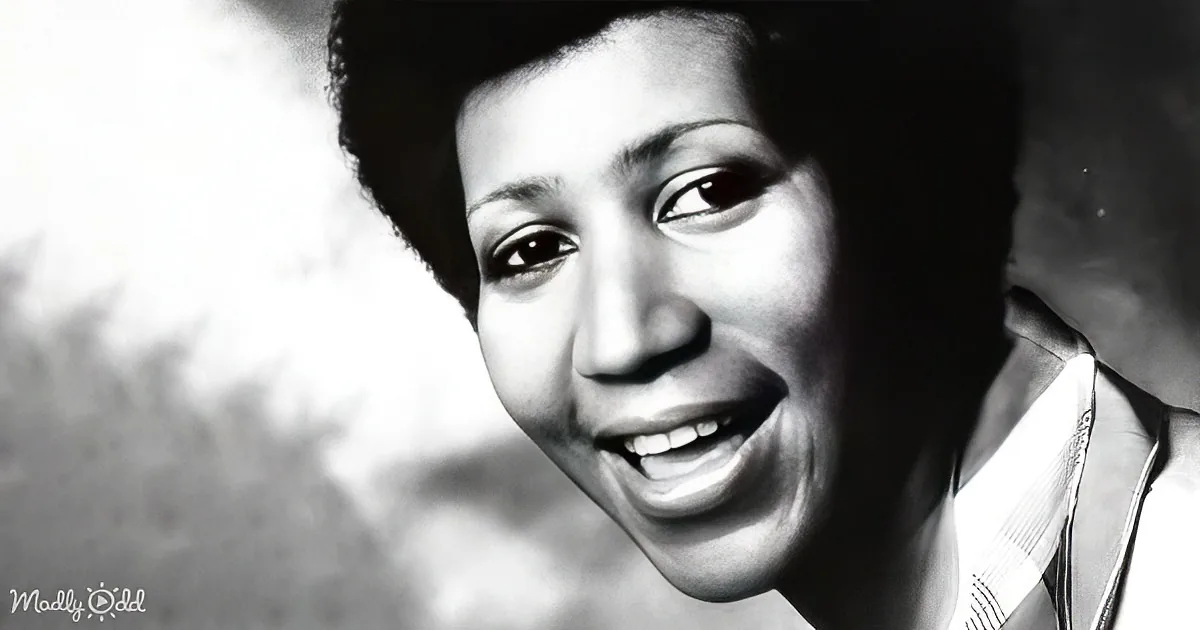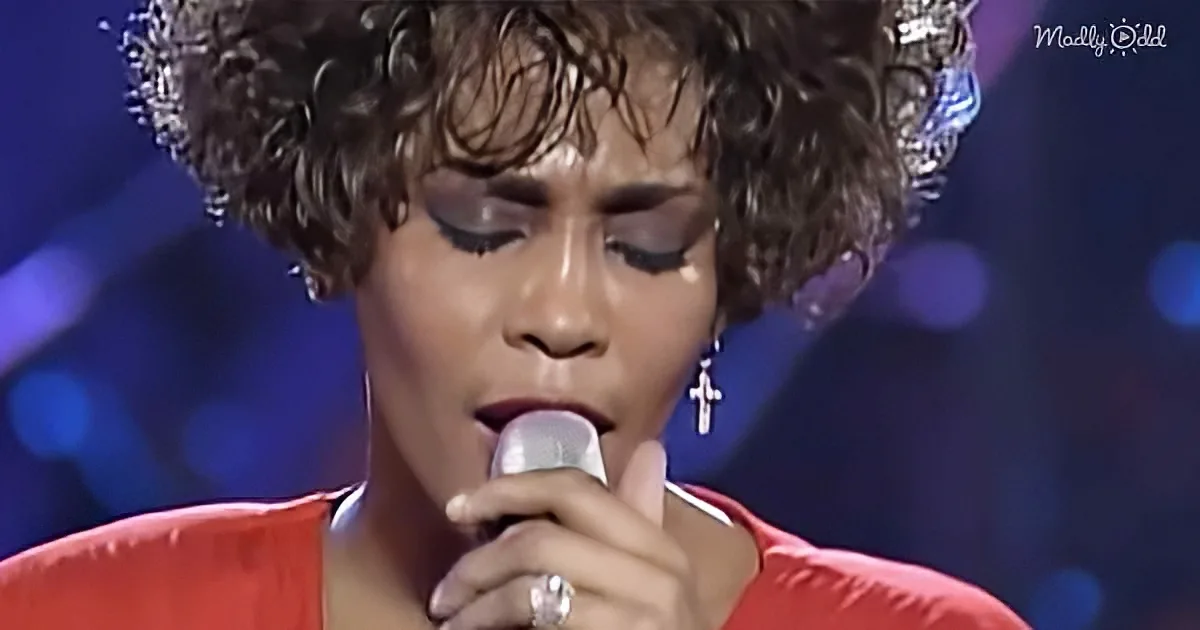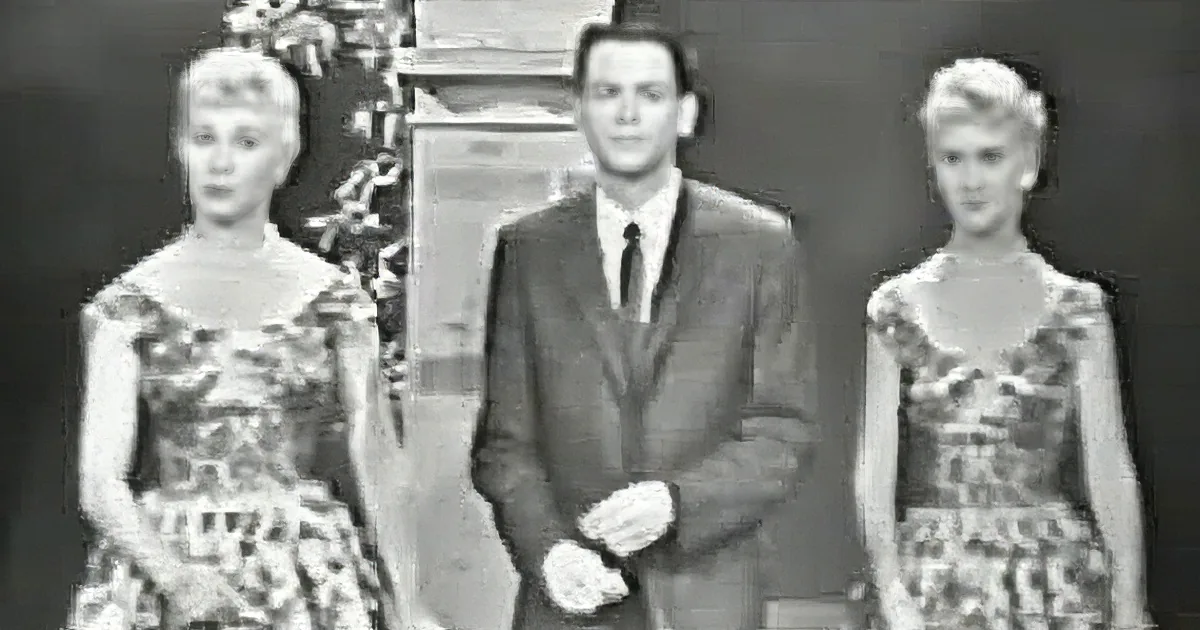
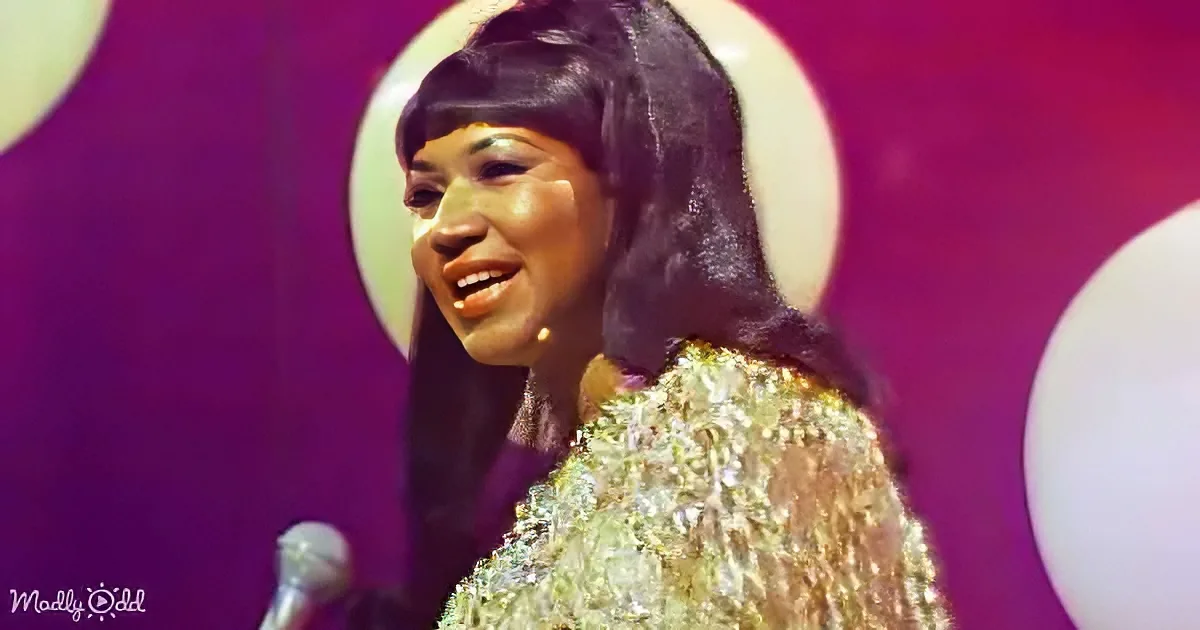
The year was 1967, a time of excitement and change. The air was thick with anticipation as if anything were possible. Young people were taking to the streets to demand their voices be heard, and the world was listening. It was a time of newfound freedom, where traditional gender and racial roles were challenged, and creativity blossomed like never before. And it was at this moment that the Queen of Soul, Aretha Franklin, released her iconic song, "Respect."
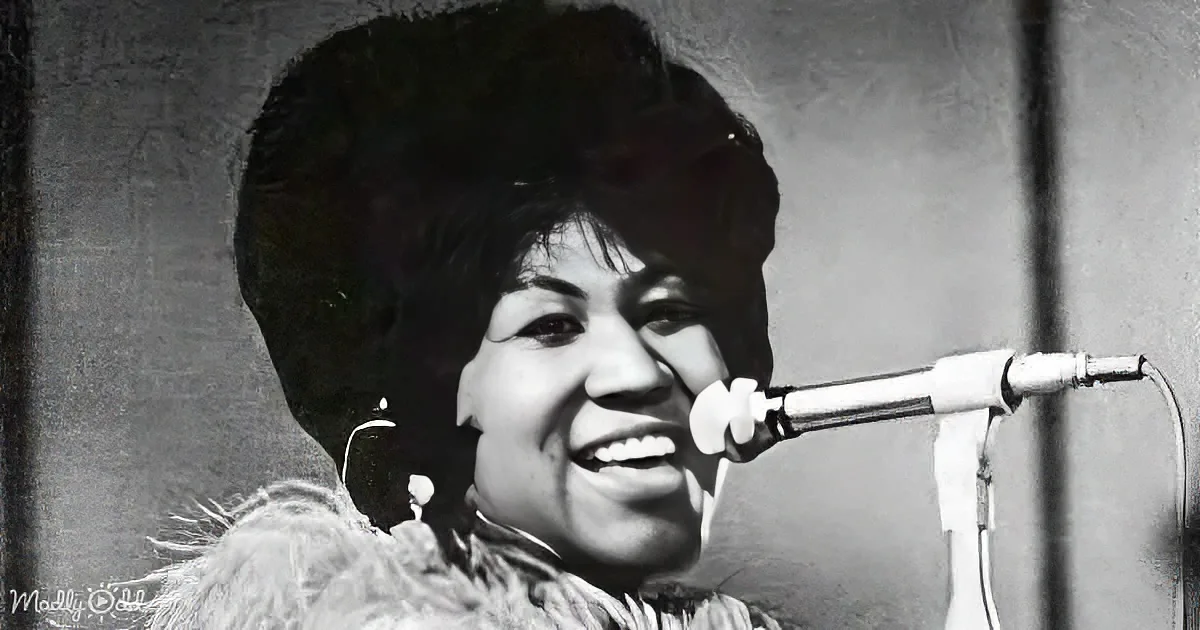
The video itself was a masterpiece of simplicity. Aretha Franklin, standing in front of a plain red background, belted out her message of empowerment to the world. Her powerful voice was matched only by her stage presence, and it was impossible not to be drawn in by her energy. The video may not have been flashy, but it was effective - it was impossible to look away from the force that was Aretha Franklin.
The performance captured the essence of the time. It was a moment of unity where people of all races and genders came together to celebrate the power of music. The audience was alive with energy, caught up in the moment as Aretha Franklin delivered her message of respect. This was more than just a song. It was a statement, a call to action, and people were listening.
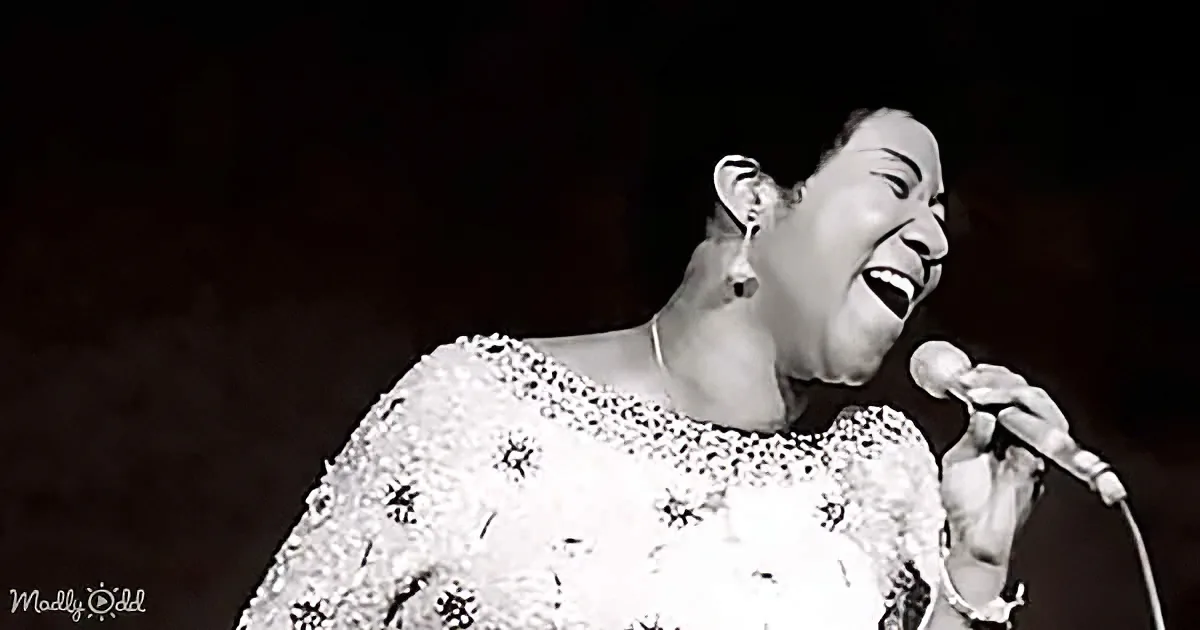
The song itself was a revelation. It was a cover of an Otis Redding tune, but Aretha's interpretation truly set it apart. Her delivery was filled with soul and conviction, as if she spoke directly to every person listening. The lyrics, which called for mutual respect between partners, were powerful in their simplicity. Aretha Franklin was speaking of something more profound than just romance. She was speaking about the human need for validation and equality.
And the song's impact was felt far beyond the world of music. "Respect" became an anthem for the civil rights movement, and its message of equality resonated with people around the world. Aretha Franklin had tapped into something universal that spoke to the human condition. It was impossible not to feel inspired by her music.
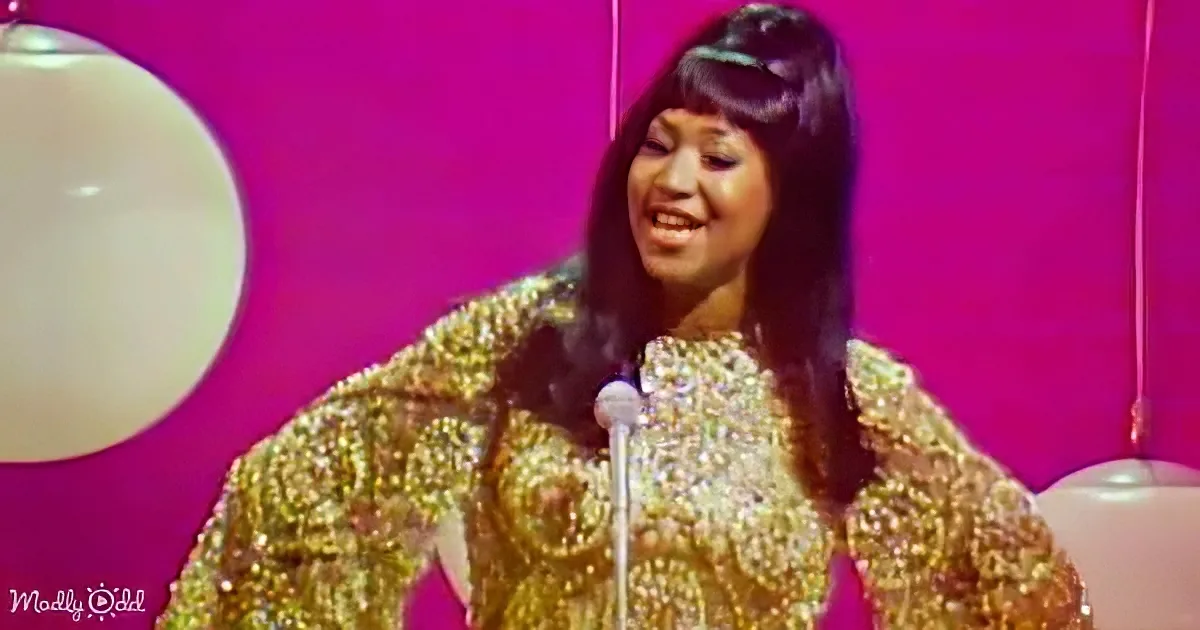
But there was more to "Respect" than just its message. The song itself was a marvel of composition and production. The rhythm section, led by drummer Roger Hawkins, created a groove that was impossible to resist. The horns added a layer of texture and power, and Aretha's voice was the perfect instrument to tie it all together. The song was a testament to the power of collaboration, a true masterpiece of music.
Even today, over 50 years later, "Respect" resonates with audiences. Countless artists have covered it, and its message remains as relevant as ever. Aretha Franklin may be gone, but her music inspires new generations to demand the respect they deserve.
Hit like and share if you agree that "Respect" is more than just a song. It's a call to action. Because now, more than ever, we need to come together and demand that everyone be treated with the respect they deserve.
There’s still plenty of Aretha Franklin to enjoy on Amazon. Buying through us lets us earn some much-needed income, and it keeps the cats happy too.