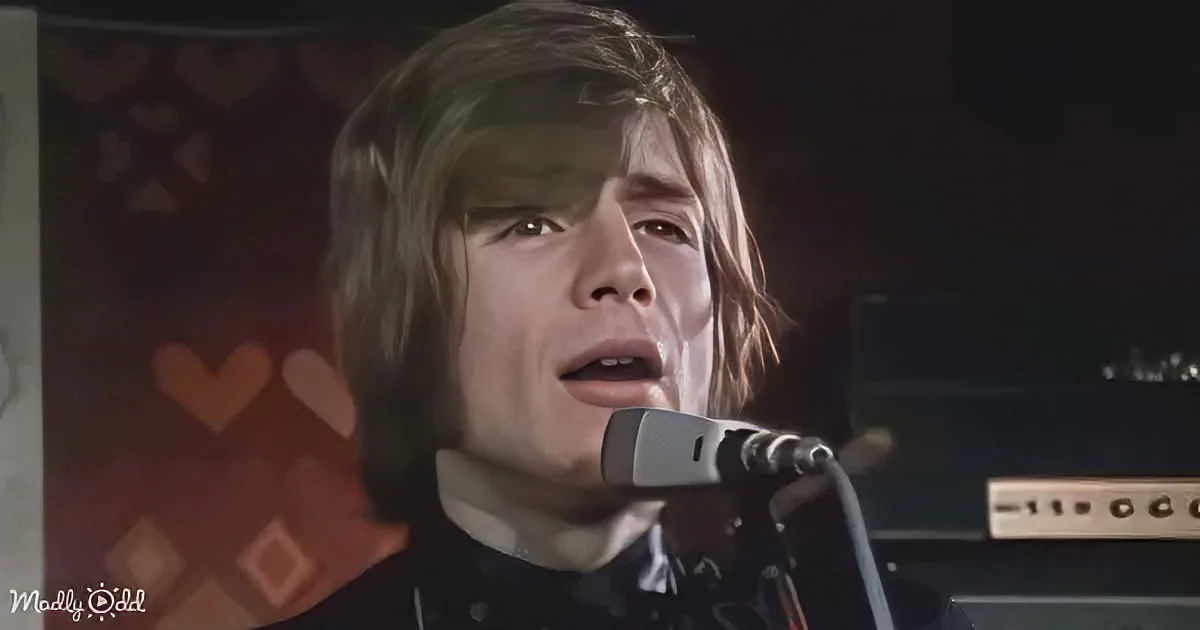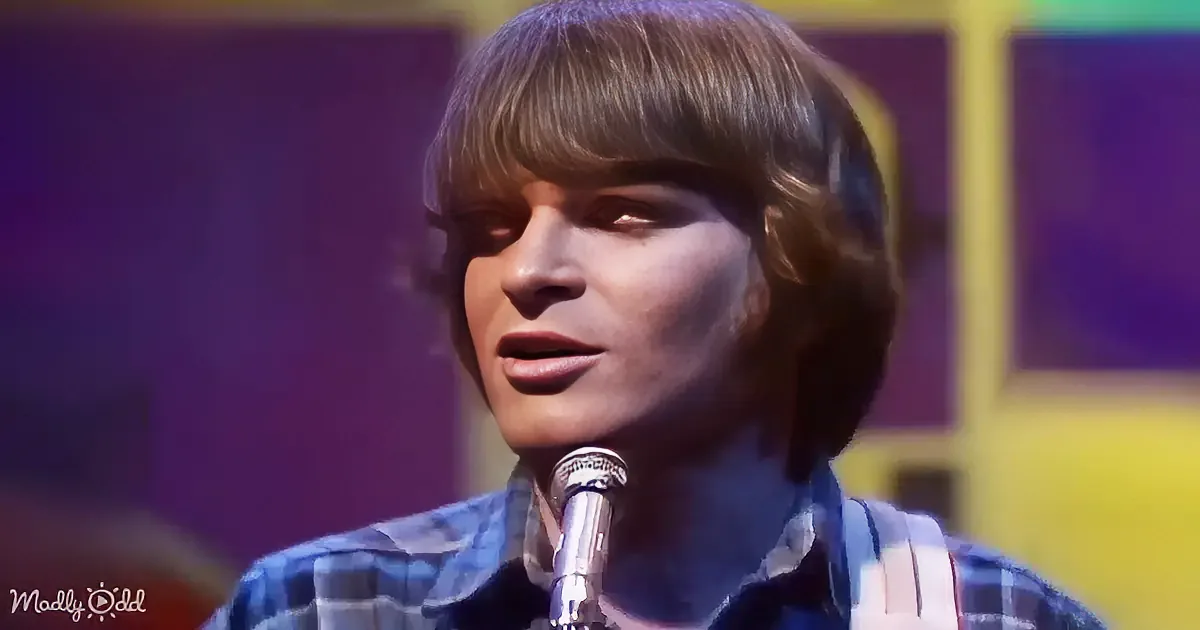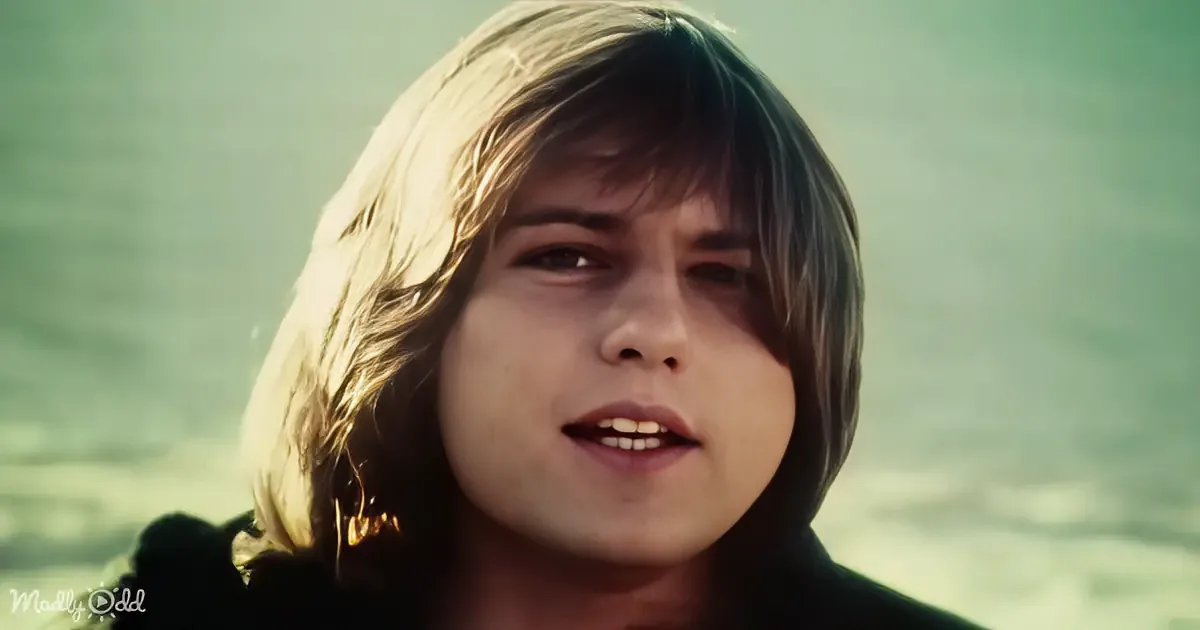
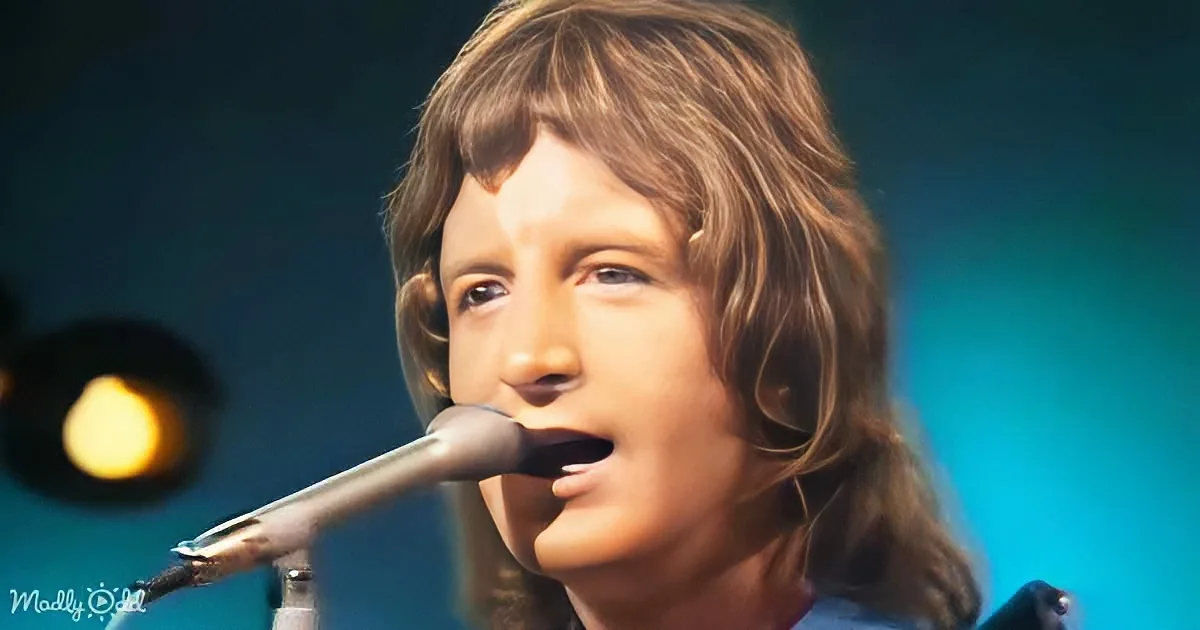
In 1972, Badfinger released "Baby Blue," their last major hit. The song was a rock ballad that bridged the gap between The Beatles and Big Star. Pete Ham's talent for pop melodies was evident, and the harmonies that Badfinger was known for heightened the inherent drama in the subject matter. Ham wrote the song for southern singer Dixie Armstrong, whom he met during the band's 1971 US tour.
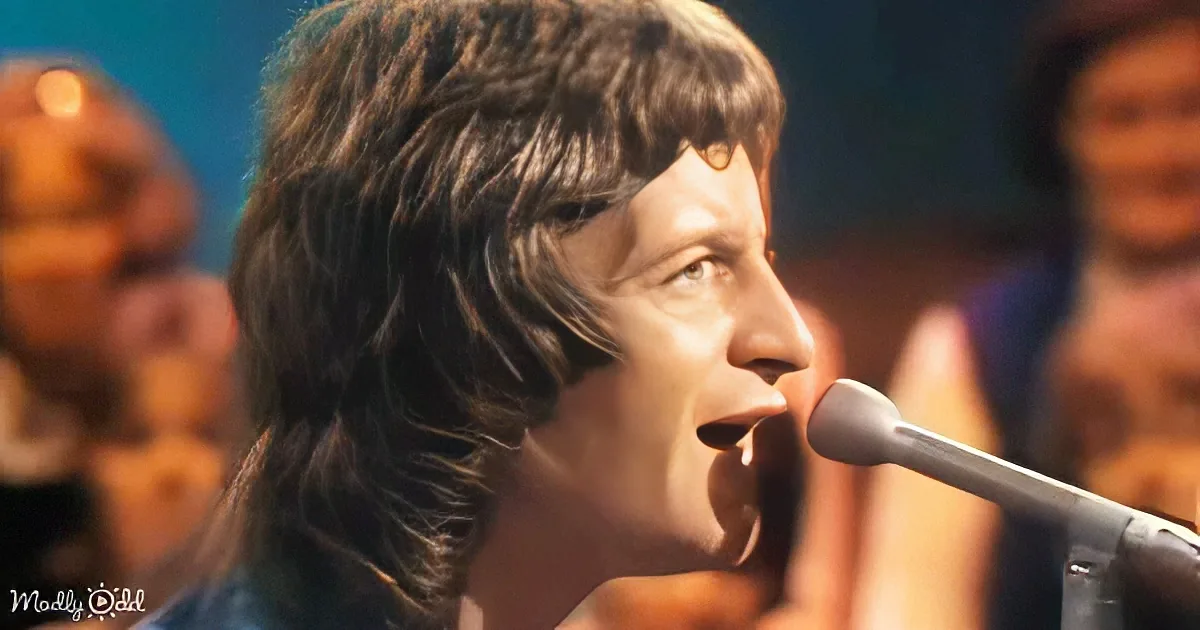
The lyrics are rueful and suggest that Ham is trapped by the life of a traveling musician and unable to sustain his newfound love. The song's producer, Todd Rundgren, was intent on recording the band live in the room, and he did a great job with the production. "Baby Blue" was the first new song he attempted with the band. The song's popularity was partly due to Rundgren's decision to feed a guitar through a Leslie speaker.
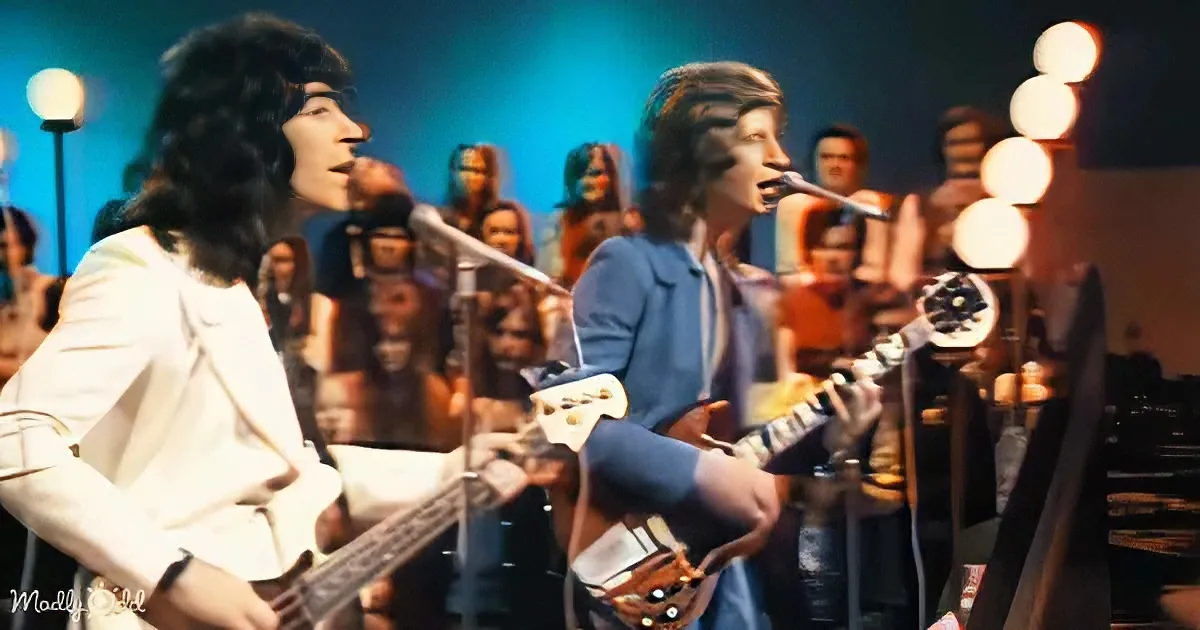
The song's success can also be attributed to Badfinger's trademark harmonies, which helped intensify the lyrics' emotion. The song's sentiment is one of regret, and it is clear that Ham was deeply affected by the breakup with Dixie Armstrong. Despite being rude to the band, Rundgren captured the essence of the song and produced a great record.

If you want to experience the magic of "Baby Blue" for yourself, watch the video on YouTube. Share it with your friends because this is a song that everyone should hear.
Still love Baby Blue by Badfinger? There’s plenty available on Amazon, and we get a bit when you use our link.