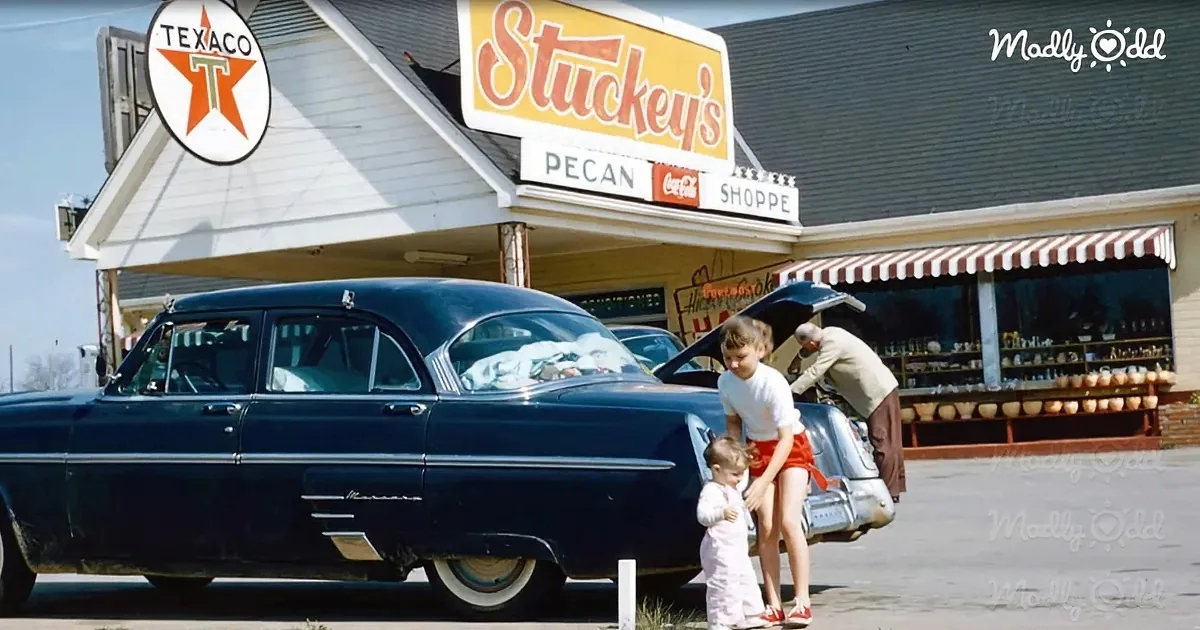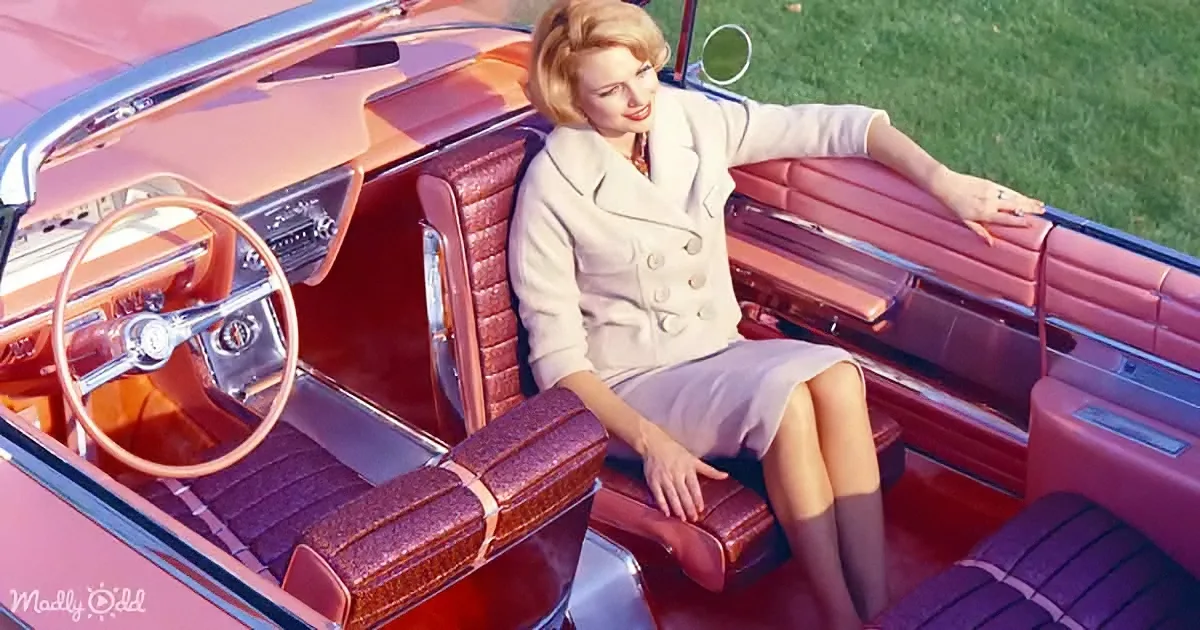
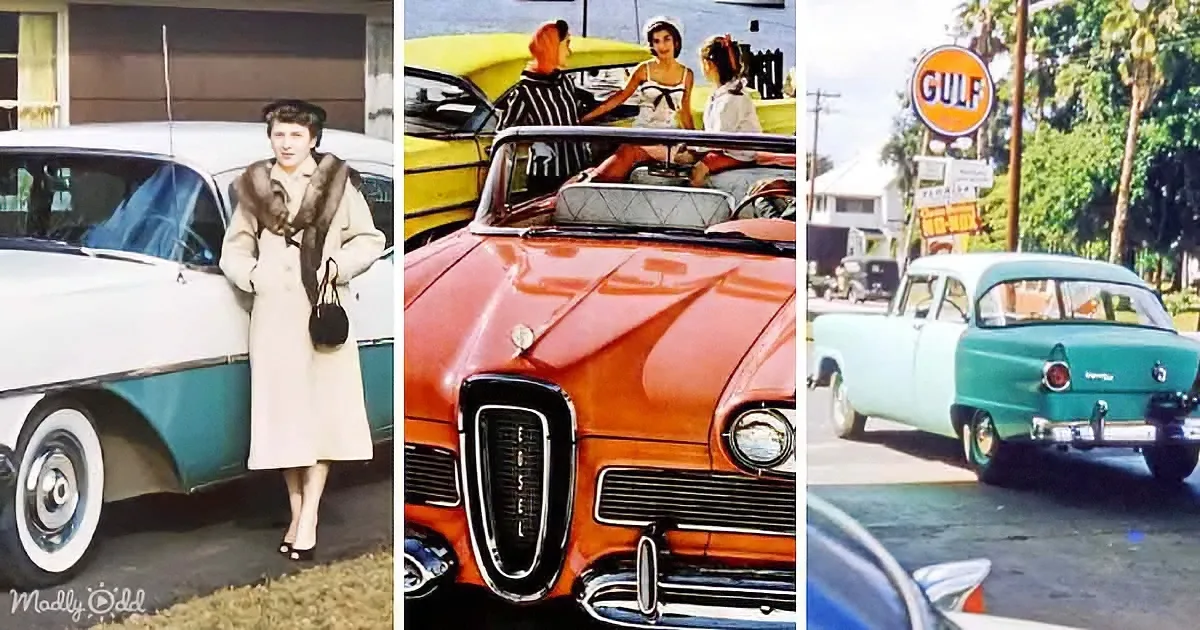
Bathing in the warm glow of nostalgia, let's embark on a journey back to the 1950s - an era marked by powerful chrome-laden cars that transformed the highways into riveting displays of art and engineering. Dotted with forgotten car brands, the decade showed how the vehicular industry revitalized our country's economic growth.

As the nation geared up for several changes, the automobile industry was not far behind. The car production in our nation skyrocketed, leaving other countries in the rear-view mirror, as car makers from Ford to GM proudly rolled out their 50 millionth vehicle.
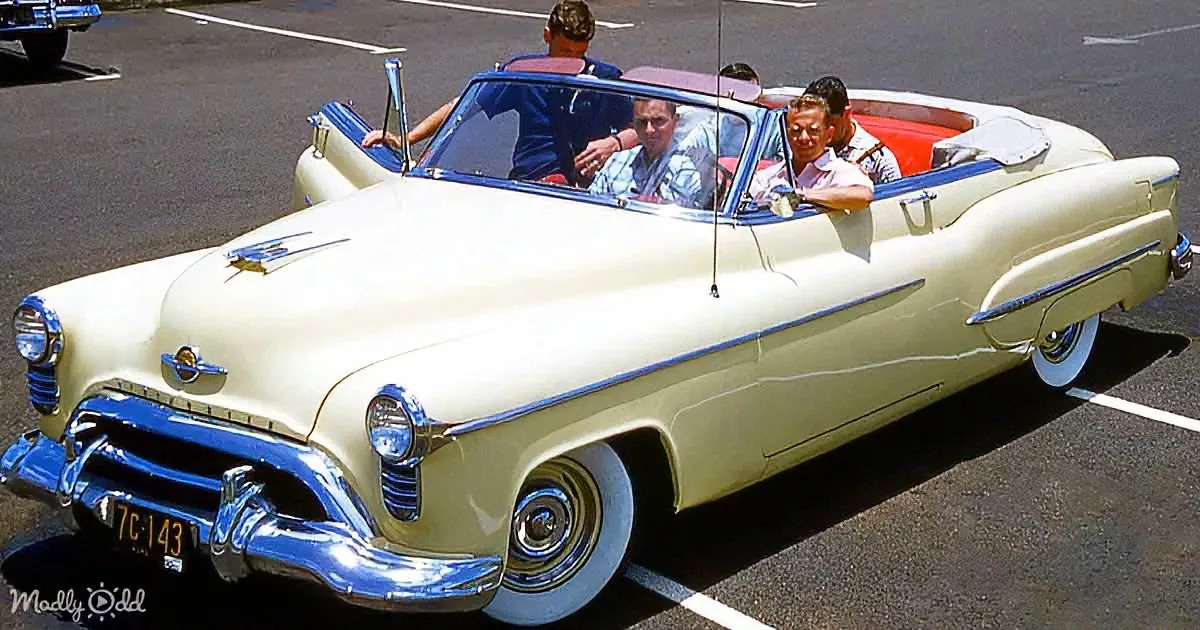
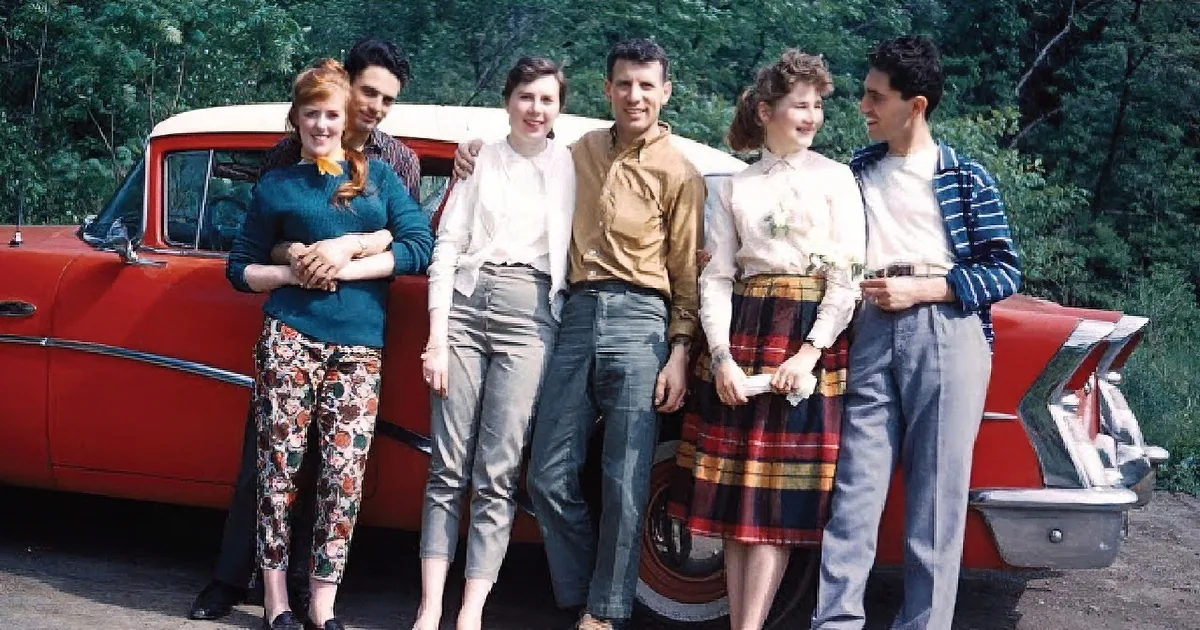
Inspired by the powerful thrust of the jet age, car models of the 1950s danced in the limelight of new and futuristic designs. Tail fins arched towards the sky, and gleaming chrome adorned their bodies. Uniquely designed and equipped with unprecedented power, these cars were more than mere modes of transportation - they were symbols of the era's innovation and prosperity.
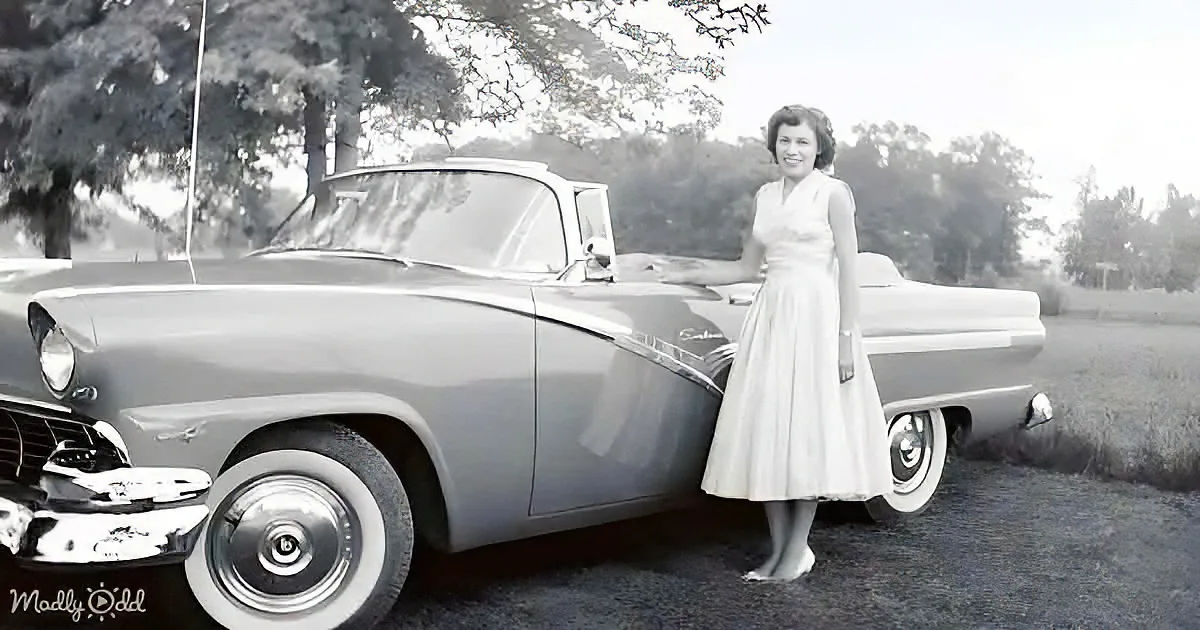
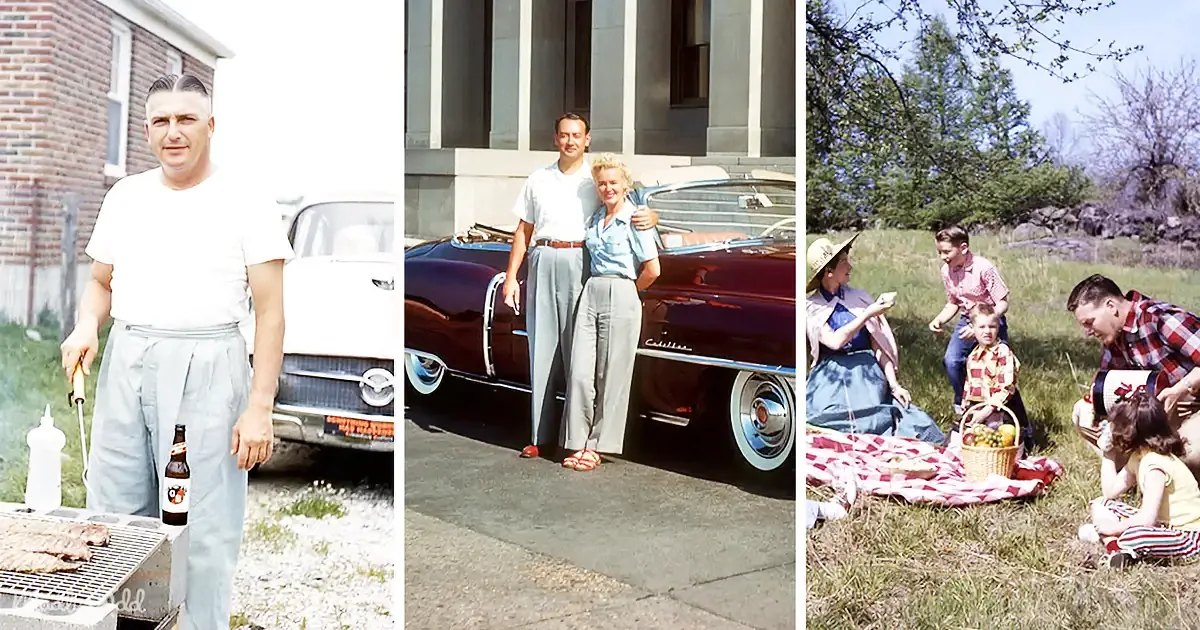
As far as luxury was concerned, Cadillac held the reins. Flaunting its sleek and impressive designs, Cadillac became a coveted symbol of wealth and achievement. In sync with the growing popularity of rock-n-roll, even the King himself, Elvis Presley, paraded around in his treasured Cadillac. Drive-in diners and movie theaters transformed into exciting showcases for these automotive wonders.
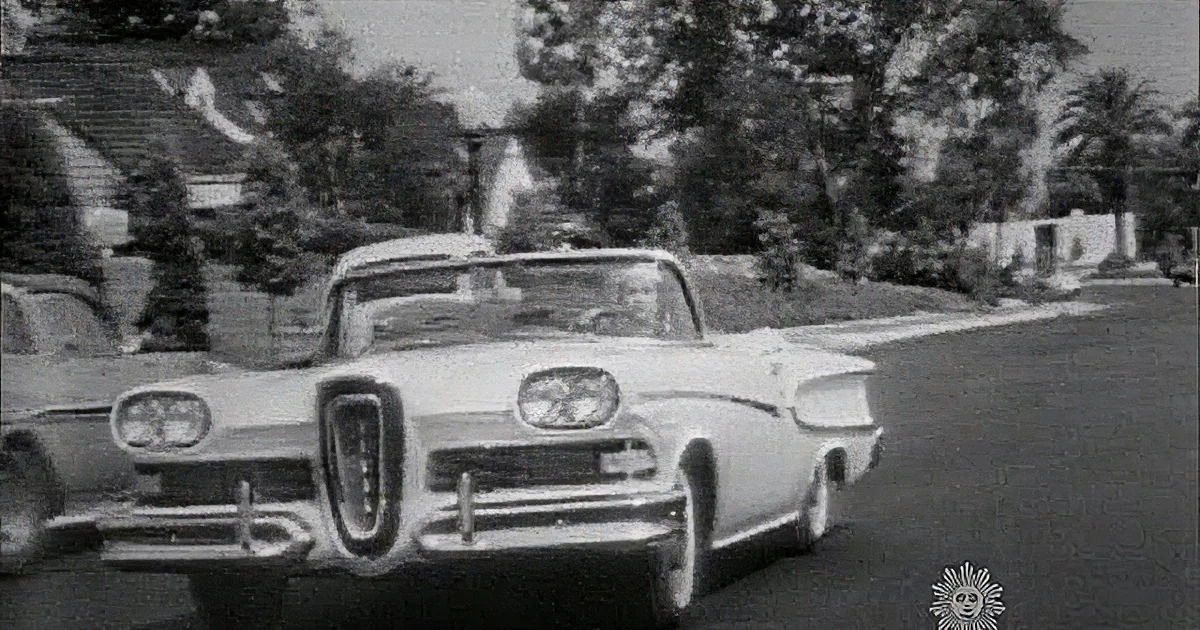
While the decade saw the rise of iconic brands, it also witnessed some anticipated debuts that didn't quite hit the mark. Take the Ford Edsel, for instance - despite creating a stir upon its release in 1957, it quickly lost traction as consumers found it indistinguishable from the crowd. Conversely, Chevrolet introduced a game-changer, the Corvette. Its unique two-seater fiberglass design instantly set it apart.
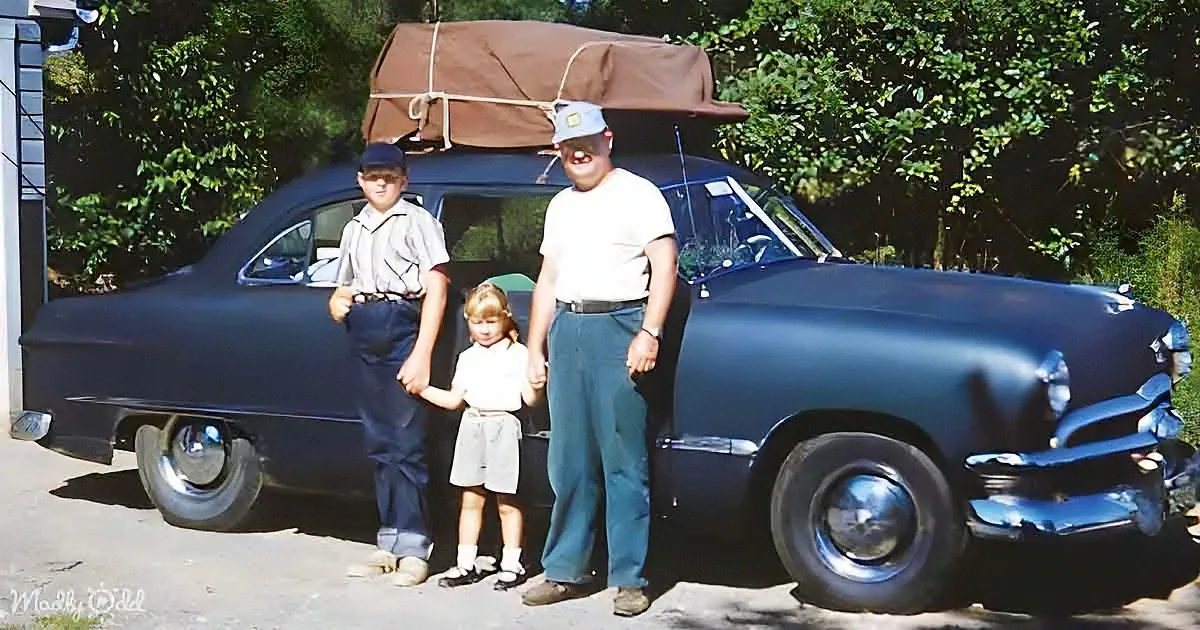
What did it cost to be a part of this automotive revolution? The average price of a car ranged from $1,510 to $2,200, with luxury models like the Corvette and Cadillac priced at $3,631 and $5,400, respectively. With gas priced around 30 cents a gallon, it was the dawn of a new era of mobility.
Car manufacturing plants in Japan, Germany, and Britain also joined the race, introducing car models that were faster and more luxurious. They sparked a global transformation, turning the dream of personal travel into reality for many. The 1950s were not just a decade; they ignited an automotive legacy.