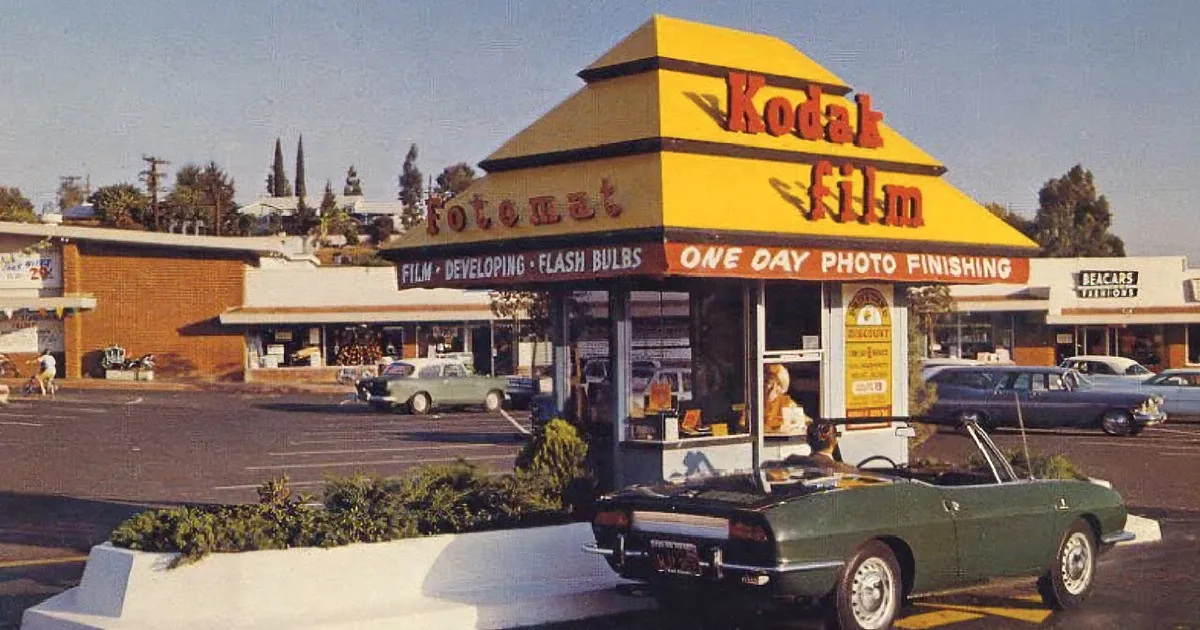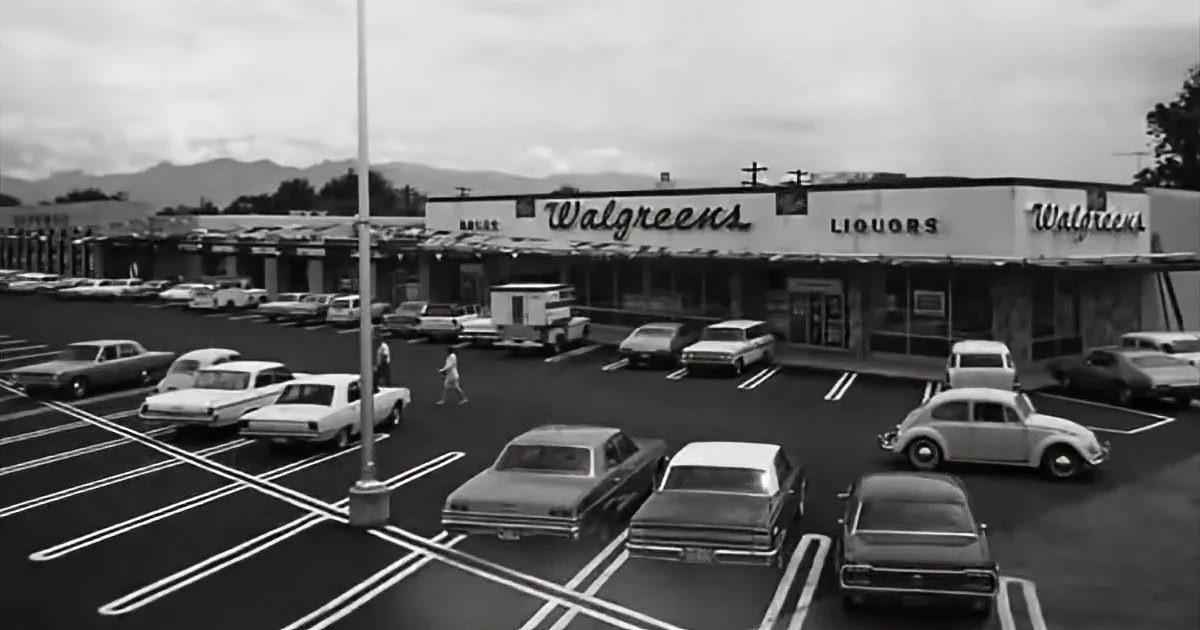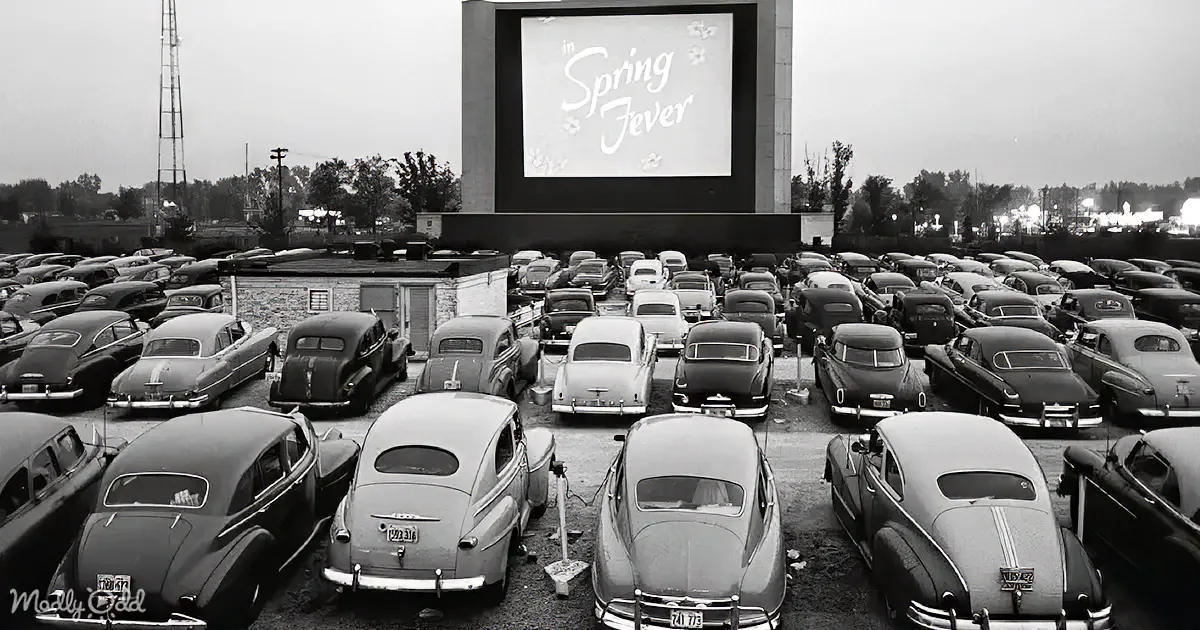
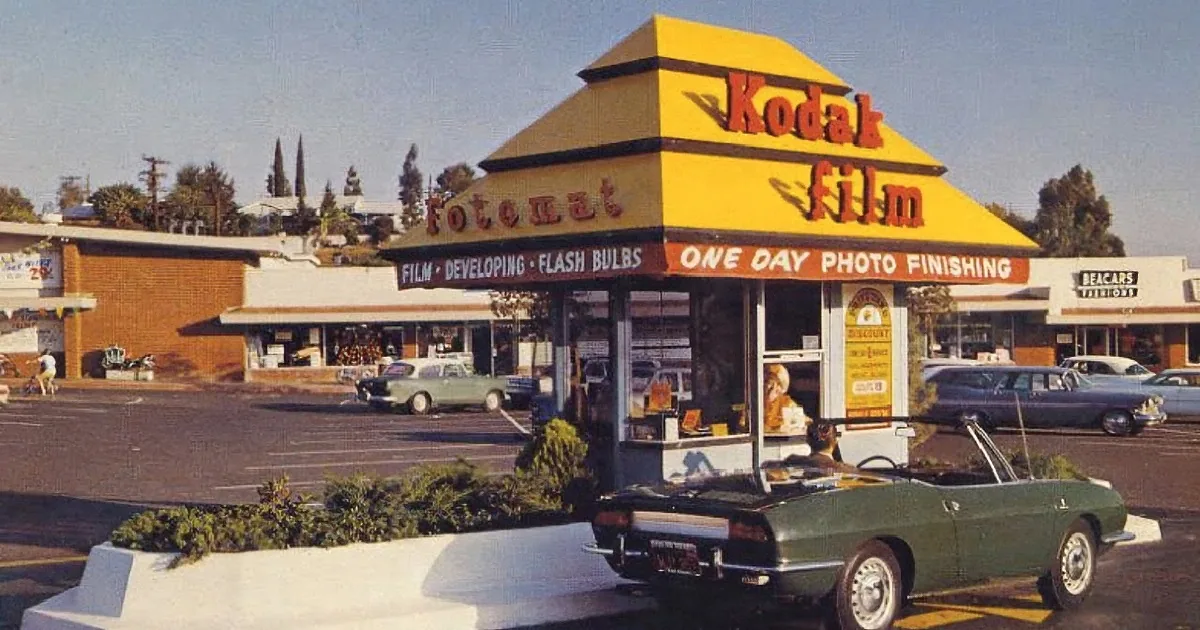
Before the digital camera and social media, drive-thru Fotomat booths provided the best way to print memories on a 4 x 6 piece of glossy paper.
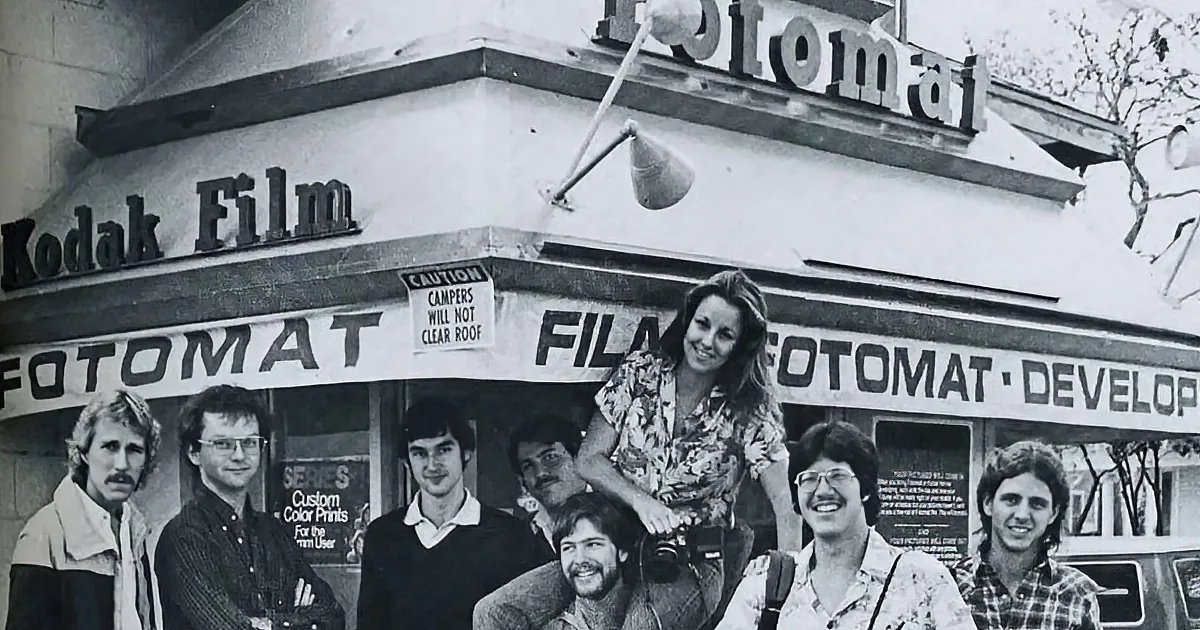
In the 1960s, Fotomat set up its first photo printing booth in California. People who didn’t have access to a dark room or time to develop their own photographs could drop off a roll of film.
Within 24 hours, the photo prints were ready to be picked up. Fotomat expanded quickly, setting up thousands of drive-thru kiosks in shopping mall parking lots across America.
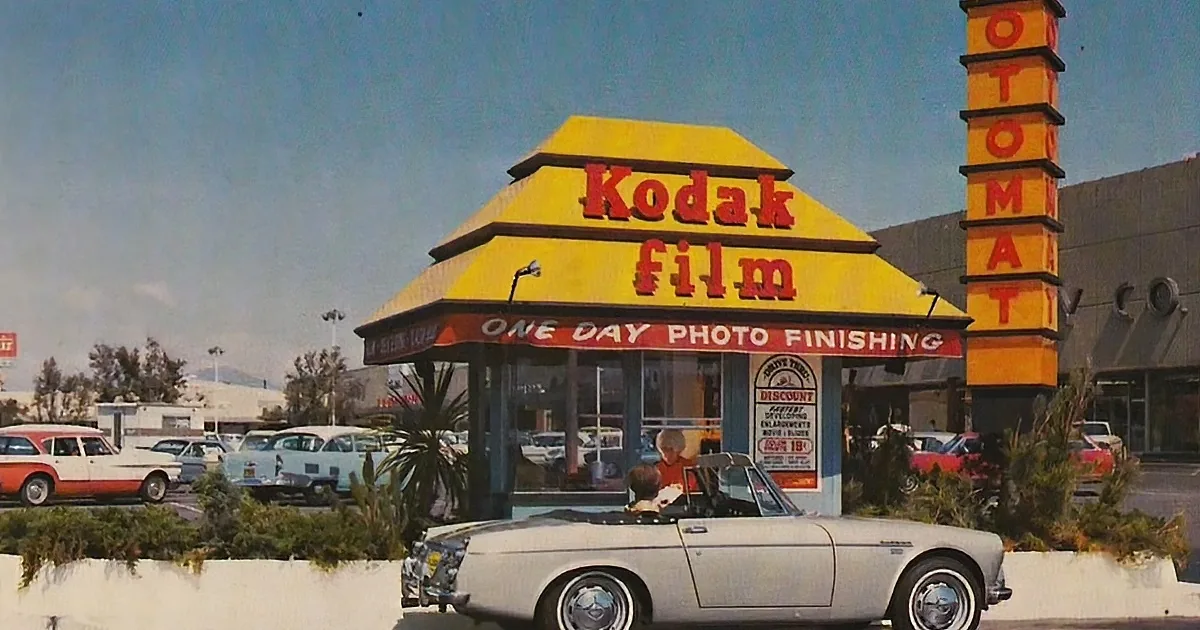
In the late 1970s, Fotomat began offering the first-ever video rental service. Customers could drive-thru, pick out a videocassette to bring home to watch, and then return it the next day.
With the invention of the one-hour photo lab in the 1980s, Fotomat booths soon became obsolete. They began by closing a quarter of their storefronts until, eventually, the rest followed suit.
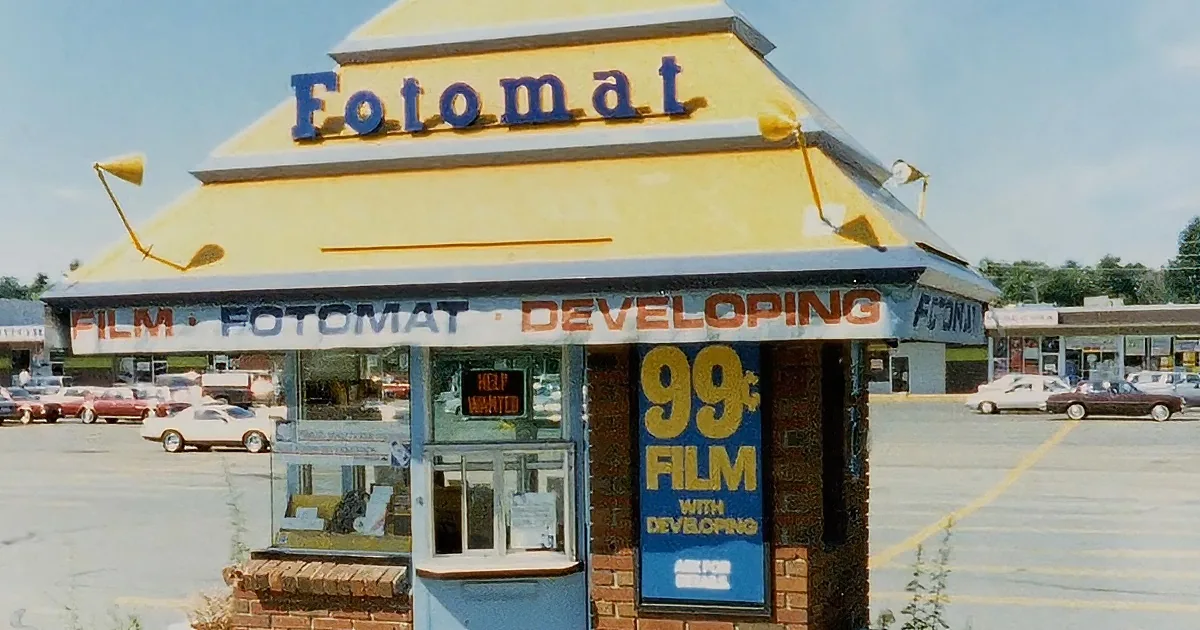
Changing with the times, Fotomat turned digital and introduced one of the first photo-sharing programs via the internet. They stayed in business until 2009, when the company closed down for good.
Fotomat kiosks are now used as coffee stands, key cutting stations, and even drive-thru ice cream shops. This company truly paved the way for sharing memories through moments captured on camera.