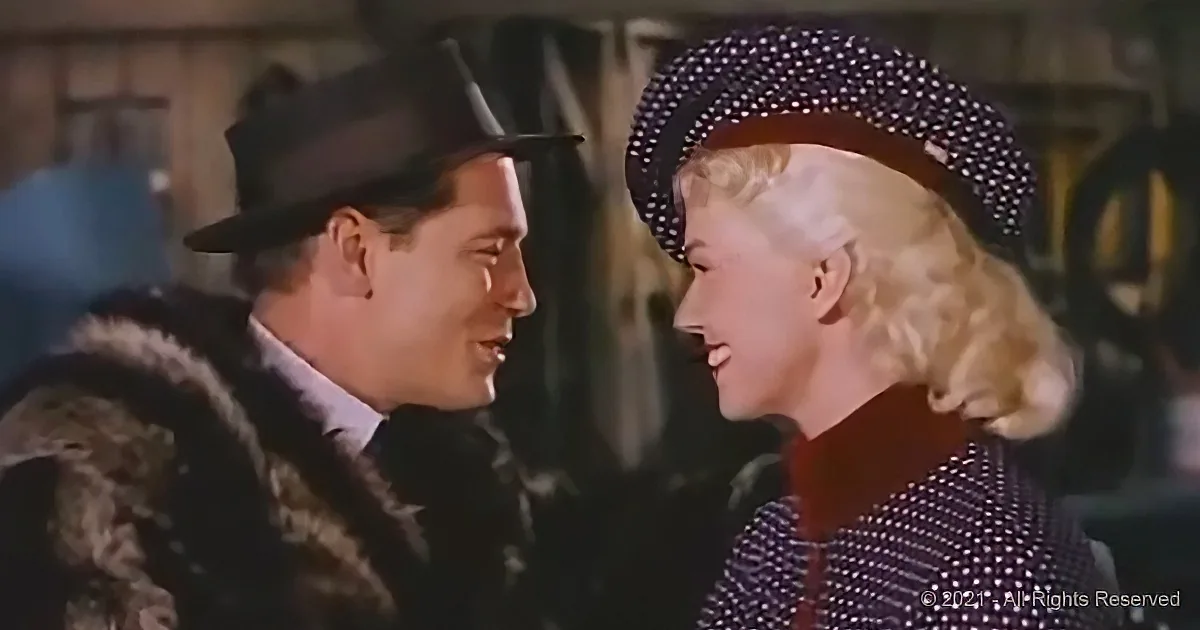
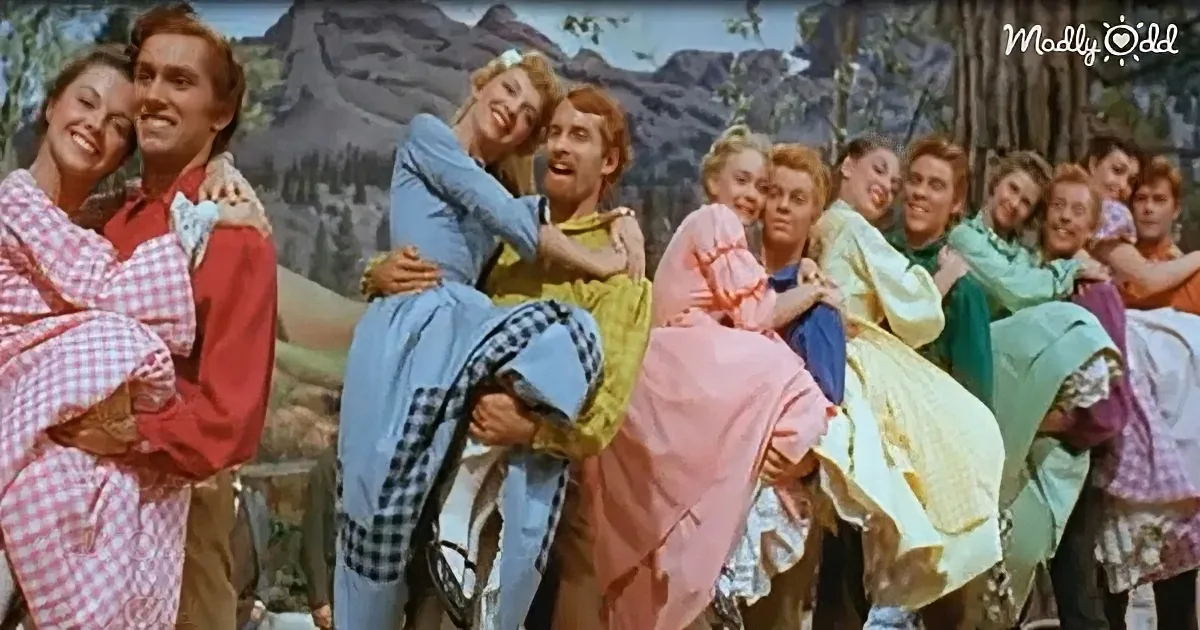
The 1954 MGM musical, Seven Brides for Seven Brothers, stands as a pinnacle of cinematic choreography, immortalized by its dynamic and unconventional dance sequences. Its story, adapted from Stephen Vincent Benét's "The Sobbin' Women", unfolds in 1850 Oregon, showcasing the rugged beauty of frontier life. As someone who grew up reveling in classic musicals, Seven Brides for Seven Brothers holds an extra special place in my heart. From the first moment I watched it, I was absolutely enthralled by its infectious blend of music, humor, romance, and above all, spectacular dancing.
Getting Swept Away by the Oregon Frontier
One of the most magical aspects of Seven Brides is how it transports you back to 1850s Oregon, with lush panoramic shots of covered wagons ambling through breathtaking wilderness. I still reminisce fondly on the sunny springtime scenes when Adam first serenades his new bride, Milly. Their sweet romance seems like an ideal frontier fairy tale, even as excitement and mischief unfolds.
The Pinnacle of Dance on Film
But the true star that makes Seven Brides shine so brightly is Michael Kidd’s dazzling choreography, which revolutionized dance on screen. From the first moment I watched the raucous barn-raising scene, with bodies nimbly balancing stories high on precarious beams, I knew this was dance that could take my breath away. Equally memorable is the “Lonesome Polecat” sequence that transforms mundane chores into an exuberant spectacle of leaping and stomping.
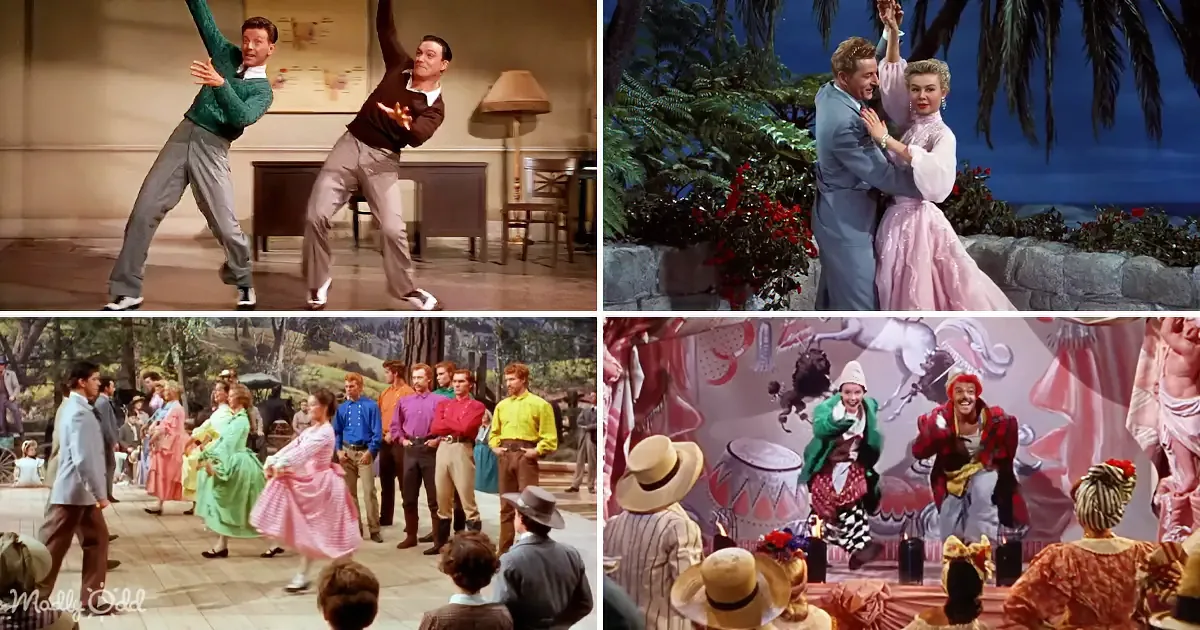
Despite MGM's preference for using contract actors, including Jeff Richards and Russ Tamblyn, Kidd's insistence on dance proficiency resulted in the casting of Matt Mattox, Marc Platt, Tommy Rall, and Jacques d'Amboise. Their legendary barn-raising scene, balancing on a beam, became a hallmark of the film.
The demand for legitimate dance skills led to an inspired cast pairing actors like Russ Tamblyn with accomplished dancers like Jacques d’Amboise and Matt Mattox. Their combined talents create a palpable, infectious energy that makes you root for every hopeful suitor. I still feel invested in each brother, through all their antics, tribulations, and triumphs.
Casting Magic Between Actors and Dancers
The dynamic barn raising dance sequence has captivated audiences for decades. As one viewer delightfully recalled, during a re-release showing, the entire theater audience burst into cheers and applause when the scene concluded, so infectious was its energy. Choreographer Michael Kidd pioneered how dance could propel storytelling in new directions. His process often sparked inspiration in the moment, adapting movements to the talents at hand, as when he asked "What would lumberjacks be good at doing?" and extended the barn sequence from there.
The scene presented unique demands on the hybrid cast of actors and dancers. Balancing the athletic leaps and spins on the flexible, trampoline-like set proved a coordination challenge, as did hitting choreographic marks while sliding and spinning in unison. Staying in energetic rhythm after stopping for cameras to reset also tested their cohesion. But the camaraderie and playful spirit shone through, captivating viewers with a masculine yet graceful athleticism.
An Enduring Masterpiece Adored by Generations
Even amongst the most acclaimed musicals of Hollywood’s Golden Age, Seven Brides stands apart in its brilliance. The film earned four Academy Award nominations including Best Picture, recognizing the creativity it brought to the genre. Today it enjoys status as one of Empire Magazine’s 500 greatest films, continuing to inspire new fans decades later.
For those like me who grew up falling in love with Seven Brides, revisiting it still feels as joyous and magical as the first viewing. This masterpiece brims with nostalgia, but also timeless cinematic wonder. As we look back, Seven Brides for Seven Brothers remains a vibrant example of how dance can narrate, entertain, and evoke emotion, securing its position as a cultural and cinematic treasure.