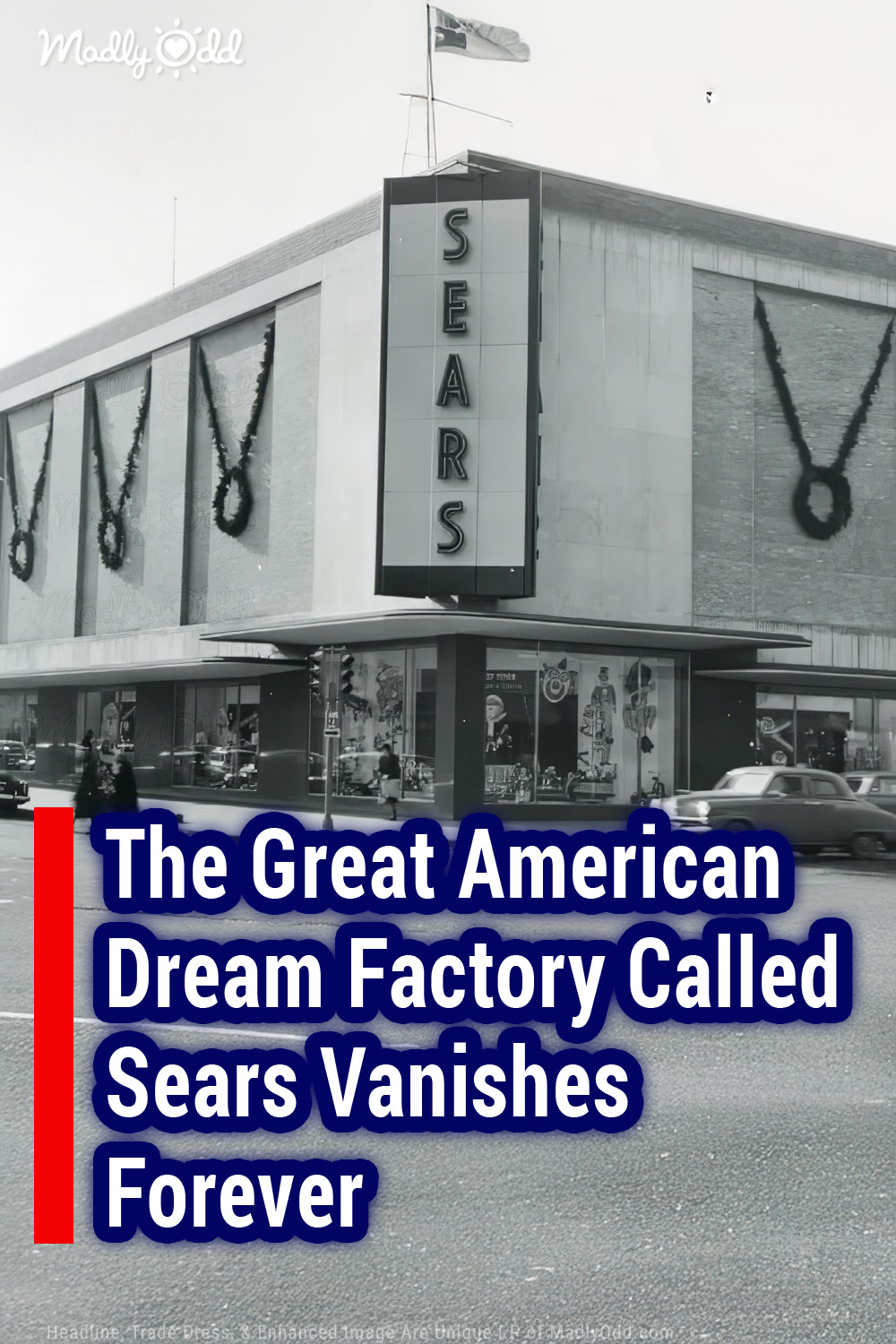
Sears wasn’t just a store – it was America’s lifeline. Back in the 50s, every kid in the country knew that Christmas didn’t really start until that Wishbook catalog landed with a thud on your doorstep. Parents would find their kids sprawled on the living room floor, circling toys until the pages went soft.
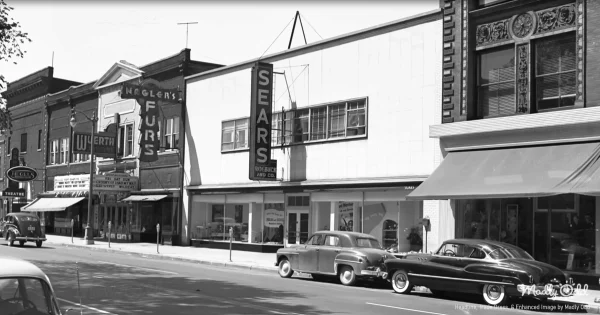
Walking into a Sears store hit all your senses at once. That first blast of air conditioning, then the smell – warm buttered popcorn mixing with roasted nuts from the candy counter. The floors gleamed like mirrors under those fluorescent lights, and somewhere in the building, a Kenmore appliance was humming away in a demo.
The real magic was in the people. Career salesmen who could tell you everything about a Craftsman wrench or a DieHard battery. They weren’t just clerks – they were experts who’d been there 20, 30 years, raising families on those commission checks.
The day Eddie Lampert took over Sears in 2005 was the beginning of the end for America’s greatest retail empire.
You want to know what really killed Sears? It wasn’t Amazon or Walmart – it was suits who didn’t understand retail. Lampert stripped away everything that made Sears special. Gone were the commission salespeople who knew their products inside and out. Gone was the legendary customer service.
The company that literally sold houses through its catalog, that armed Americans with Craftsman tools and Kenmore appliances that lasted generations, that gave millions their first credit card – reduced to empty shelves and liquidation sales.
See, Sears wasn’t just selling products. They were selling the American Dream, piece by piece, on that revolutionary revolving credit. A DieHard battery here, a Kenmore washer there, and suddenly working folks could live like kings.