Considering the television-focused content and nostalgic element, the task seems most suited to The Retro Maestro. Therefore, let’s transport ourselves to a pivotal moment that is etched in our collective memory, not merely from a bygone era but a testament to our shared human experience.
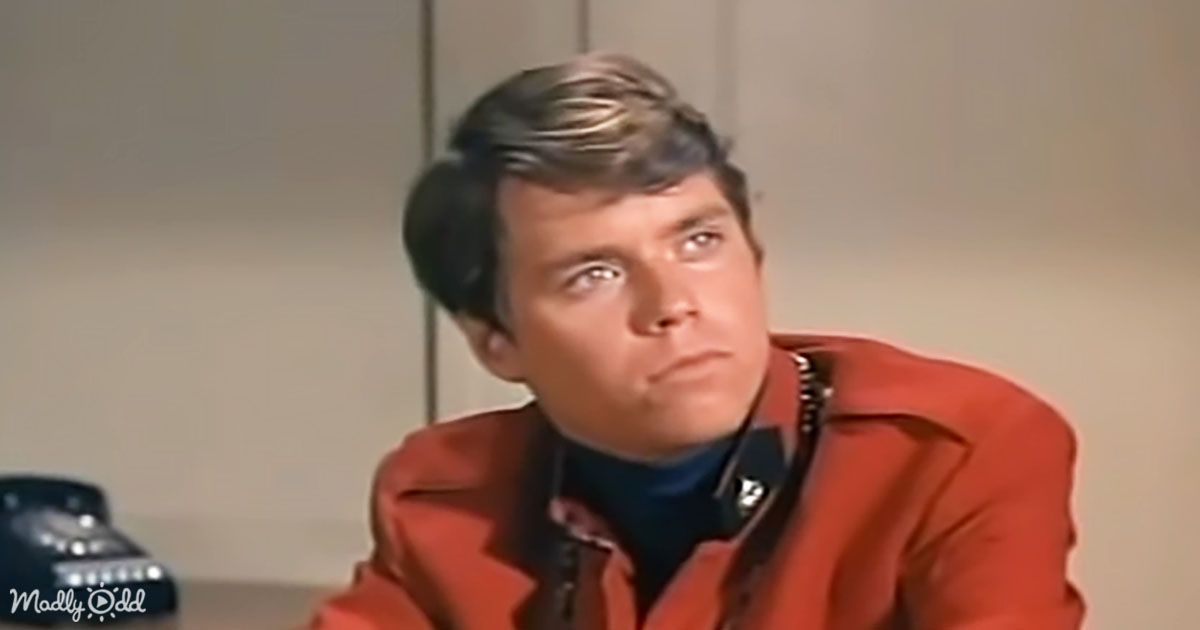
Imagine you’re in front of your TV set and you’re watching the popular police drama Dragnet. Sergeant Joe Friday and Officer Bill Gannon, played by the consummate actors Jack Webb and Harry Morgan, are in a police station, its drab walls echoing with the raw discontent of a disillusioned young man lambasting the world’s perceived inequities.
Basking in their wisdom and experience, the two law enforcers calmly counter this youthful onslaught. Doesn’t it strike a familiar chord? As if each generation, in its own time, believes it’s the first to truly taste discontent. But as we well know, the more the world alters, the more our human predicaments remain the same. Such is the recurring drama that unfolds on Dragnet.
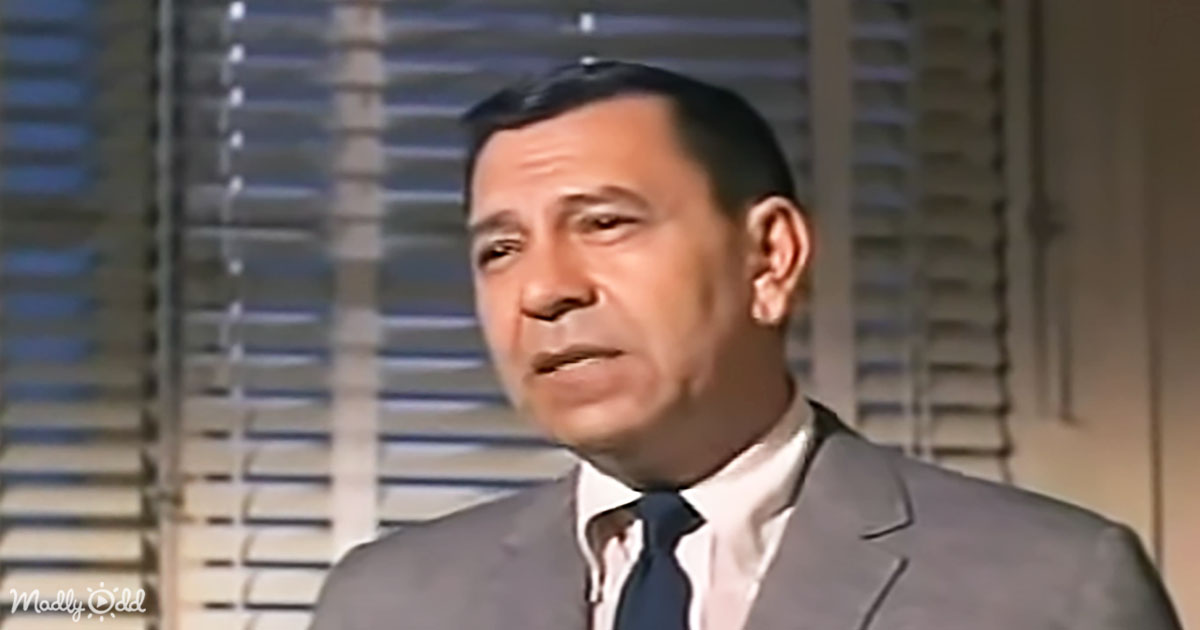
Then comes the moment of catharsis. Sergeant Friday, embodying authority and empathy, addresses the young man’s grievances. He embarks on a monologue, his wisdom sharpened by his years on the beat. He speaks of poverty and privilege, of the trials that each generation must endure. His words serve as a sobering reminder of the harsh disparities in our world — a world where, despite everything, many live better than elsewhere.
Officer Gannon joins the dialogue, lending gravity to Friday’s speech. He invokes the real dread of bygone diseases — diphtheria, scarlet fever, whooping cough. For some, it’s a journey back in time, while for others, an awakening. Regardless, the impact resonates.

Just as a pebble cast into a still pond sends ripples far and wide, so too do Joe Friday’s words echo across the decades. Their discourse extends beyond simple nostalgia; it’s a vivid reminder of the unbroken chain of human experiences that binds us all, our shared struggles and triumphs.
This captivating scene isn’t just an artifact of 1968; it’s a beacon of our collective humanity, a message from yesteryears that shines a light on our present. So, as you watch the video, don’t merely be a passive viewer. Instead, let its lessons sink in, share its wisdom, and treasure its timeless message. It’s not just television history; it’s our history.