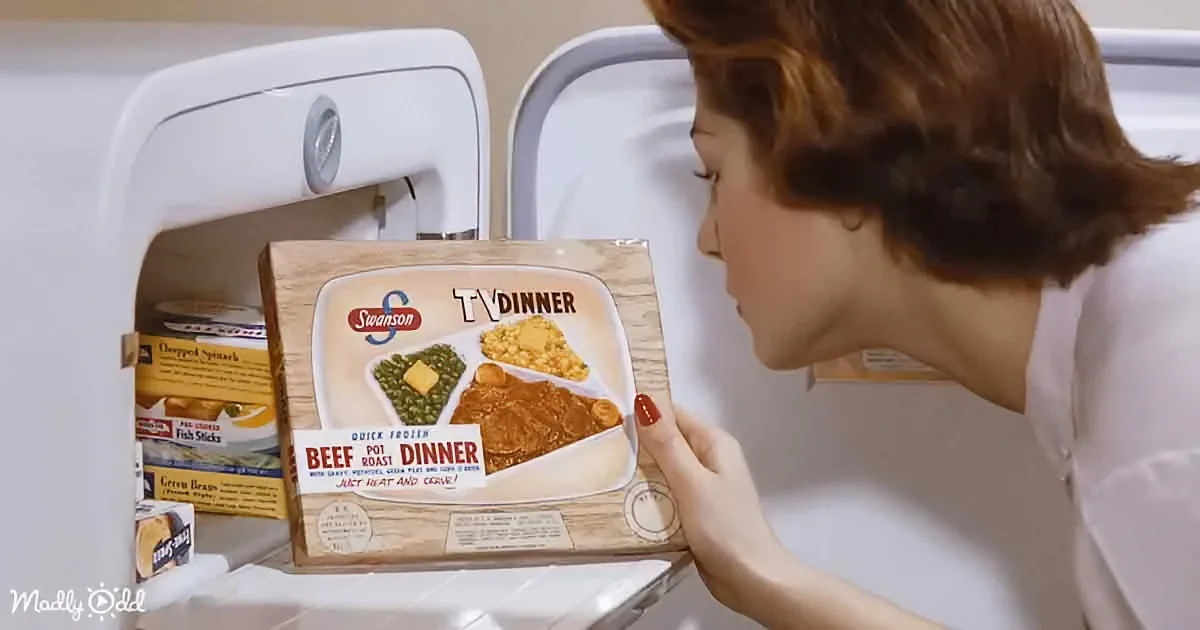
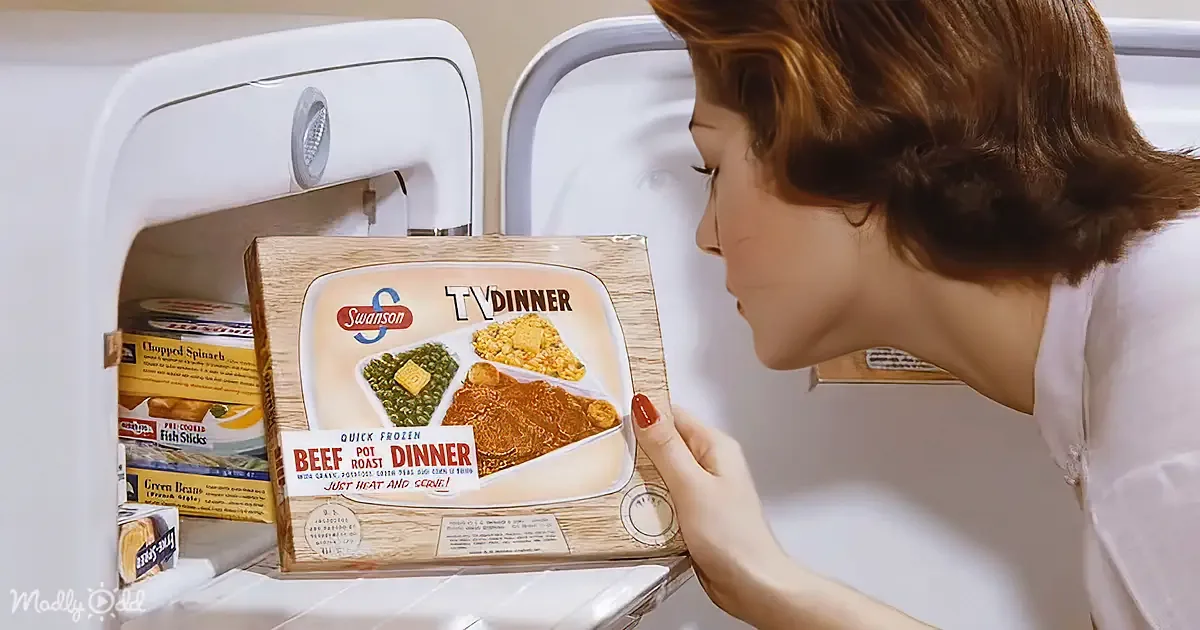
Do you remember those good old days of cozying up in front of the TV with a Swanson TV dinner on your lap? Those frozen pre-cooked and pre-portioned meals that heated up in minutes were a true American culinary icon of the mid-20th century. Oh, the joy of peeling back that foil cover to reveal the steaming, segmented goodness inside!
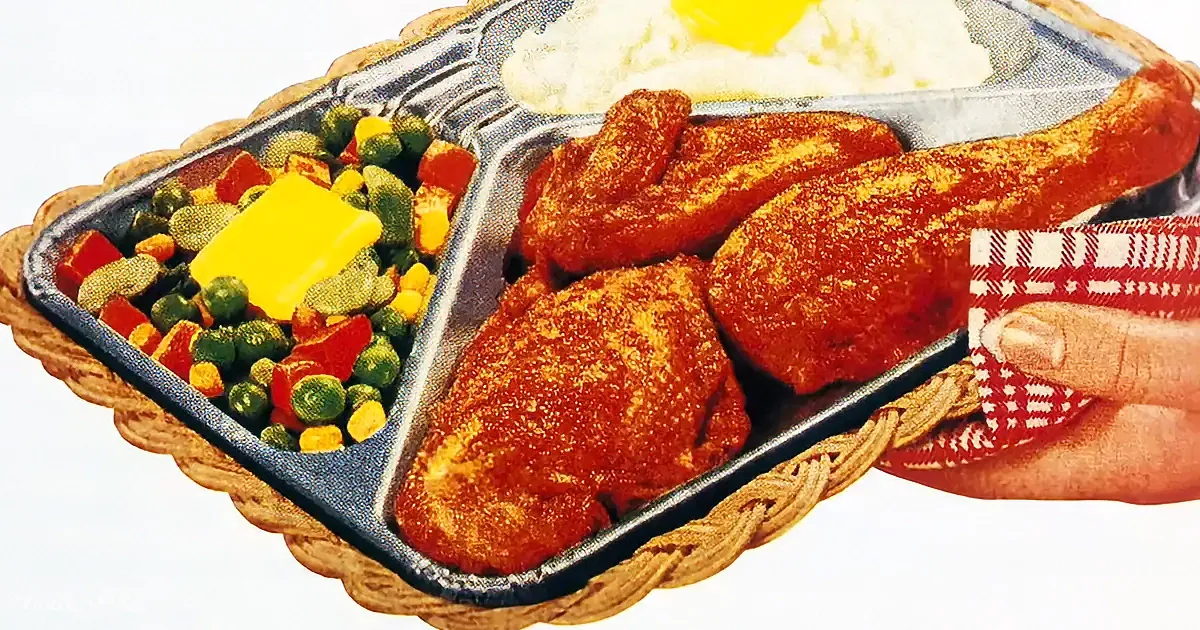
The story of Swanson TV dinners, a hallmark of American culinary innovation, began in 1953. This was a time when television was changing family life, creating new routines and rituals. Swanson, a company initially known for its frozen poultry products, found itself with an excess of turkey following Thanksgiving. This surplus sparked an idea that would soon become a cultural phenomenon.
On September 10, 1953, Swanson introduced their TV dinner, aligning with the burgeoning TV-watching culture. For just 98 cents, families could enjoy a meal of turkey, gravy, cornbread stuffing, sweet potatoes, and buttered peas. The product's convenience and novelty, packed in packaging resembling a TV set, was an instant hit. The trays, inspired by Pan Am's in-flight meal trays, allowed for different meal components to be heated without mixing flavors, a significant improvement over existing single-compartment frozen meals.

Behind this innovation was Betty Cronin, a bacteriologist at Swanson, who was tasked with ensuring these meals were not only tasty but also retained their texture and appearance after reheating. Her expertise was vital in maintaining the quality of the TV dinners, contributing to their nationwide success.
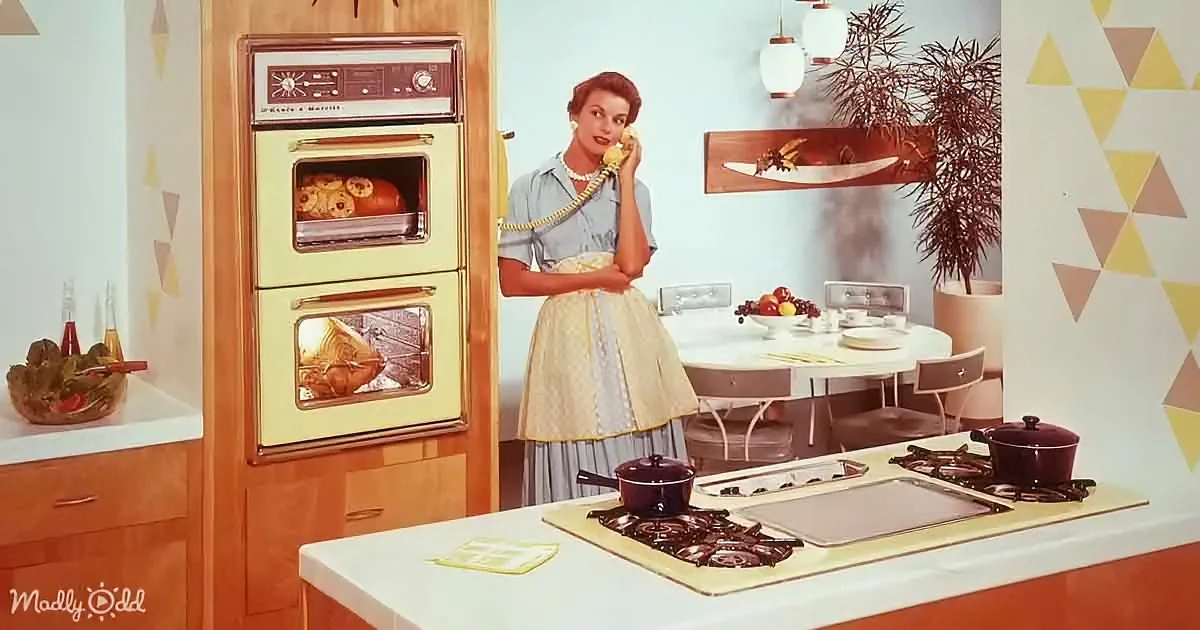
Swanson's TV dinners marked a shift in American dining habits, signifying the rise of convenience foods. This was particularly transformative in post-World War II America, where women were increasingly joining the workforce. The TV dinner provided a quick and easy meal solution, fitting into the busy lifestyles of the era. Moreover, it resonated with the American fascination with technology and innovation, combining the excitement of television with the convenience of a ready-to-eat meal.
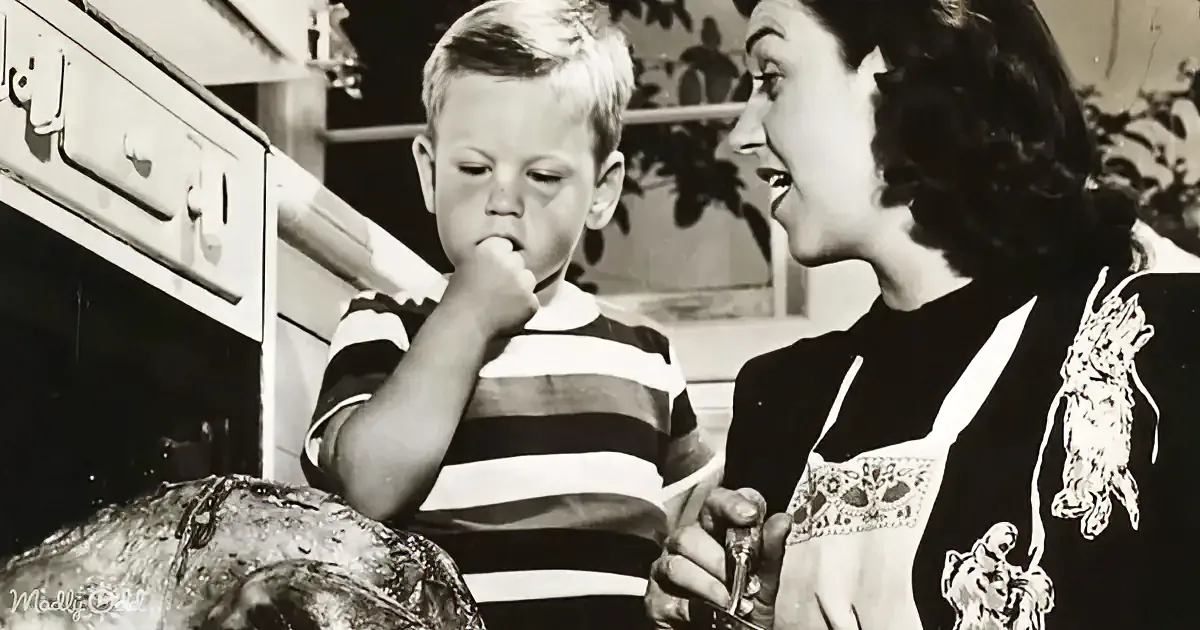
As the popularity of TV dinners soared, Swanson expanded their menu to cater to a wider array of tastes, paving the way for the diverse range of frozen convenience foods available today. These meals reflected and influenced the social and technological changes of the mid-20th century, from addressing a surplus turkey problem to becoming a symbol of modern convenience and a staple in family life centered around television.
Swanson TV dinners represented more than just a meal solution; they were a reflection of the era's cultural and social dynamics. The innovation in packaging, marketing strategy, and adaptation to societal changes were key factors in the success of Swanson TV dinners. This product changed the way Americans dined and had a lasting impact on the food industry, setting a precedent for future innovations in convenience foods.