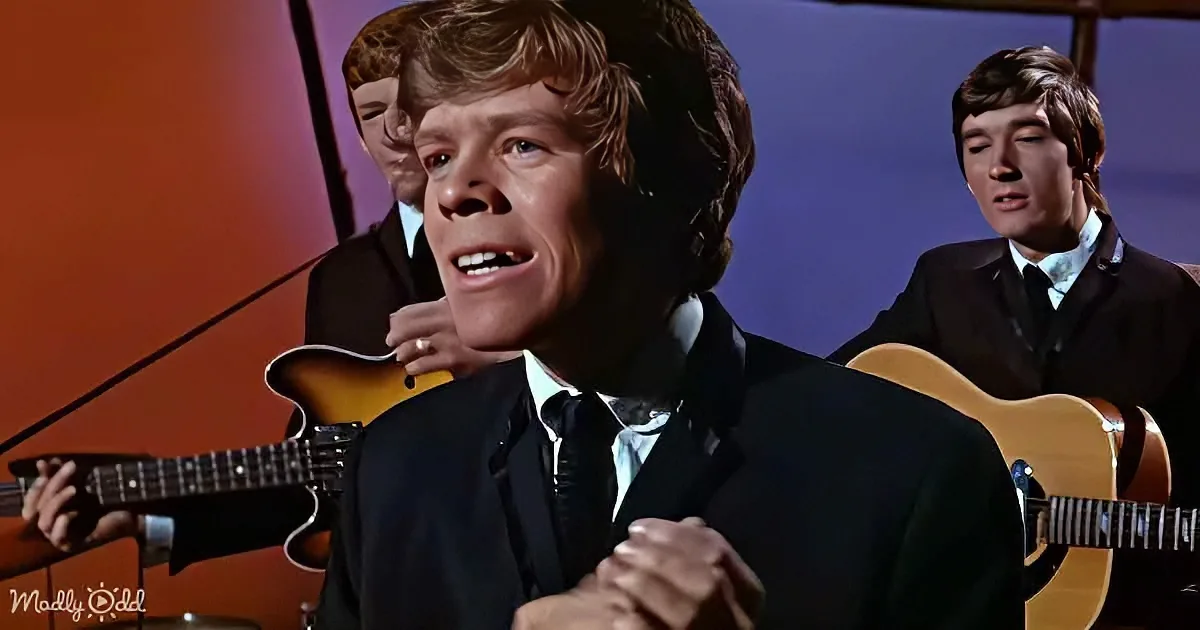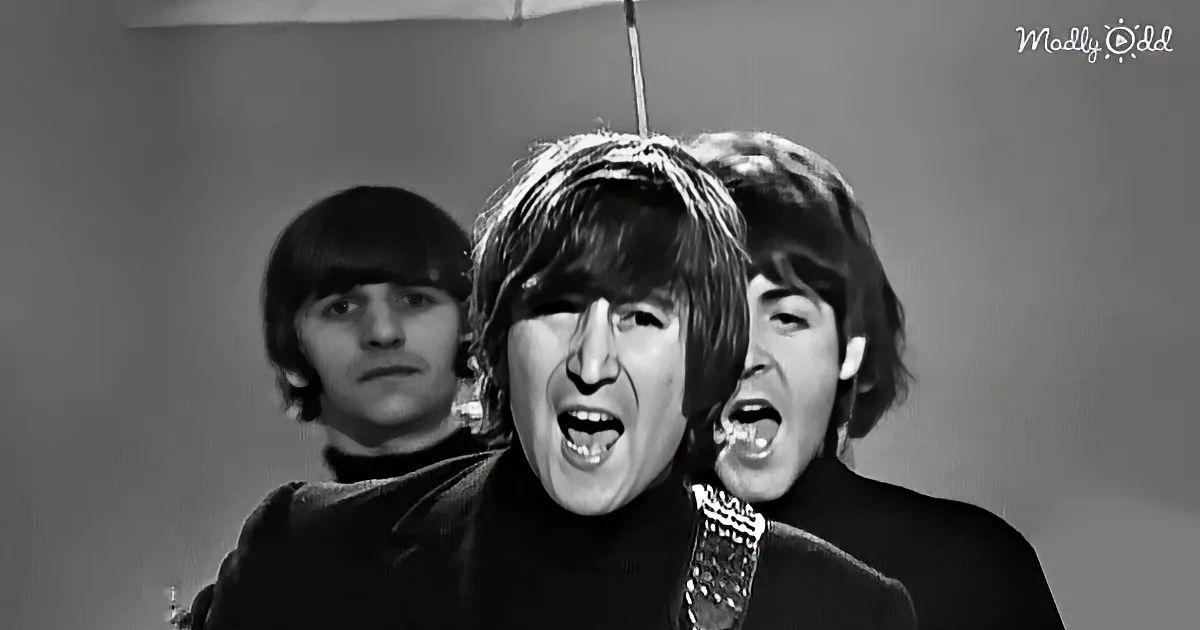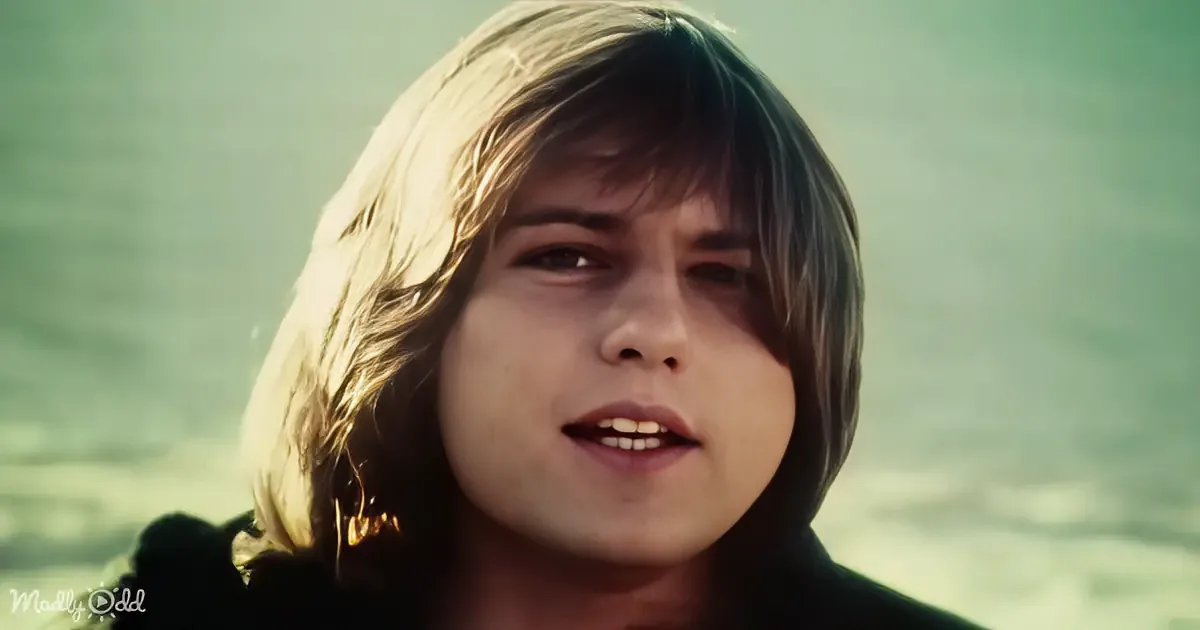
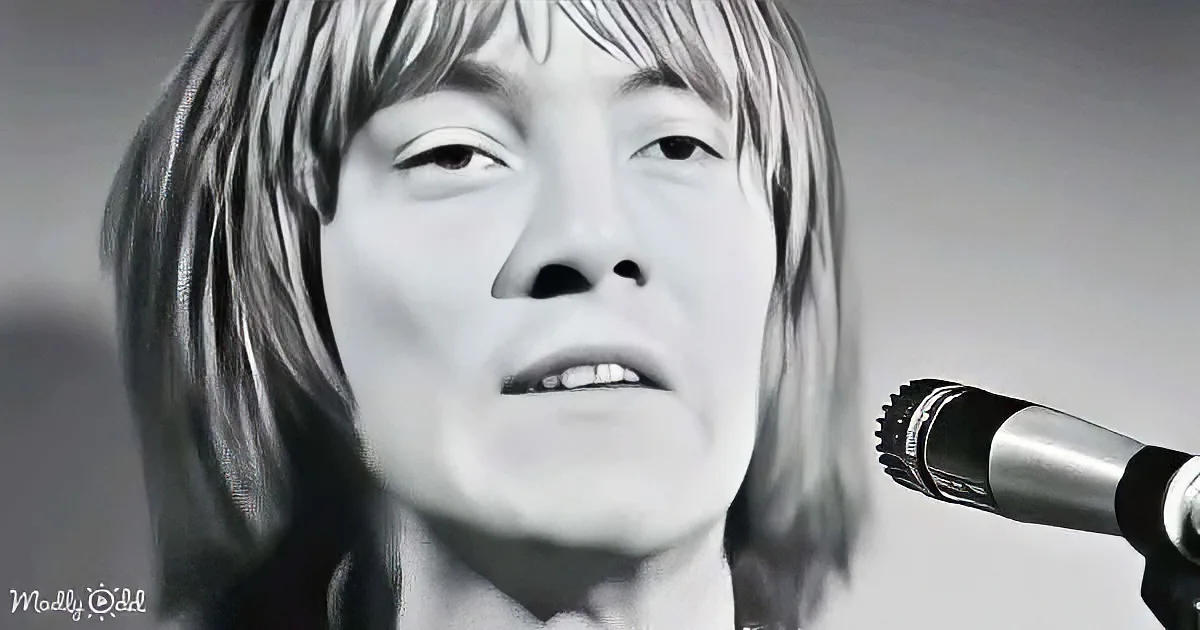
It's 1966, and a band of mods called the Small Faces released a song that took the pop world by storm. "Itchycoo Park" was an instant hit, reaching the top of the charts in New Zealand, Canada, and the UK. It showcased the band's raw talent and lead singer Steve Marriott's vocal power. The song was one of the first to feature phasing, which gave it an otherworldly quality. It was also one of the most upfront songs about drugs at the time, openly discussing acid use in a park.
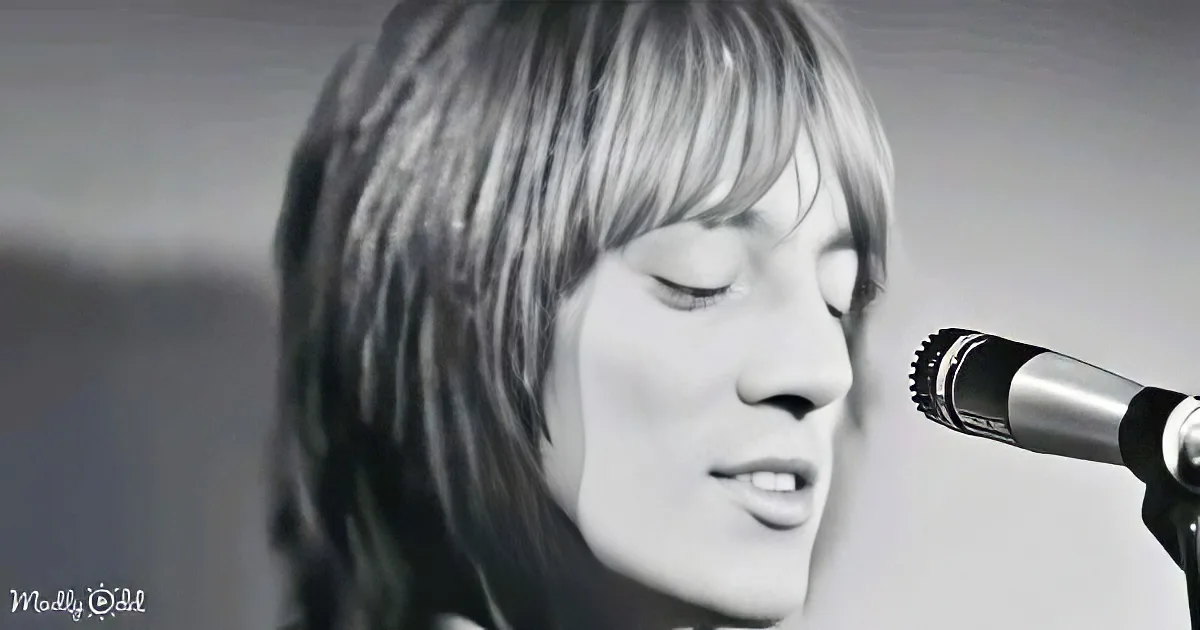
The Small Faces were underrated, and the song's success didn't do much to change that. They were often left out of conversations about the biggest bands of the 60s, but their talent and material were top-notch. Keyboardist Ian 'Mac' McLagan was one of the most versatile rock keyboardists in music history, playing equally blues and British musical hall sounds. The band's fans were likely doing what the song talked about, but it was a time when London police were cracking down on drug use, so most songs were shadowy when it came to discussing recreational pharmacology.
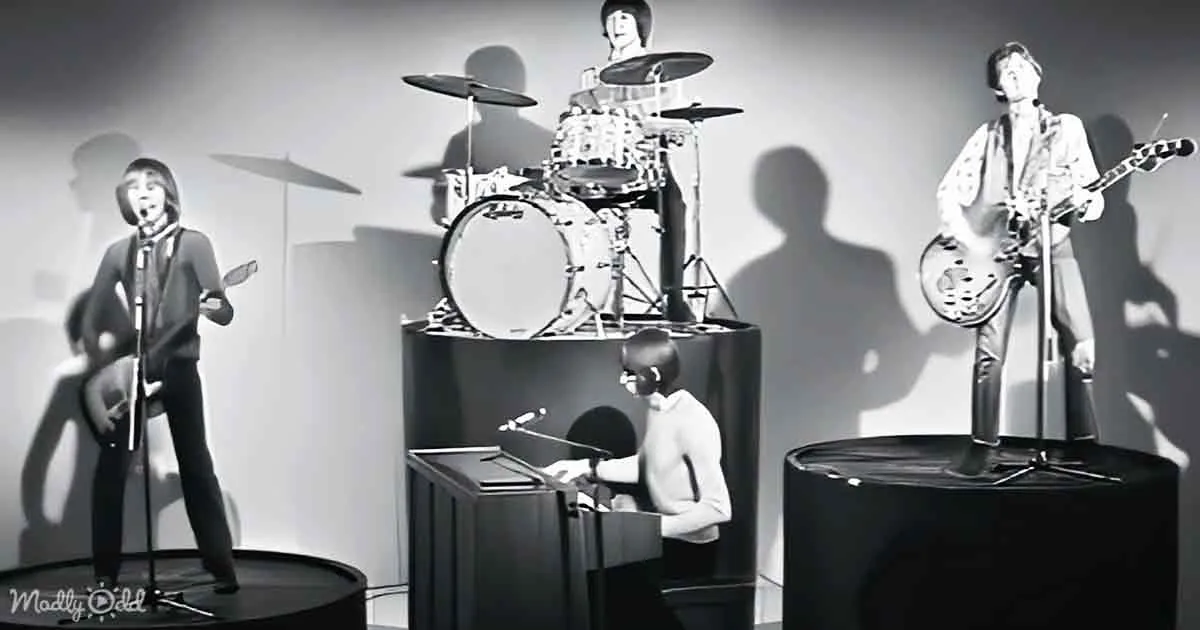
"Itchycoo Park" began an era where the studio became an instrument, and the Small Faces created a song that was difficult to reproduce live. It featured some revolutionary techniques that marked the era, like phasing or flanging, where two recordings of the same lines played simultaneously but were slightly delayed. This gave the track its otherworldly quality.
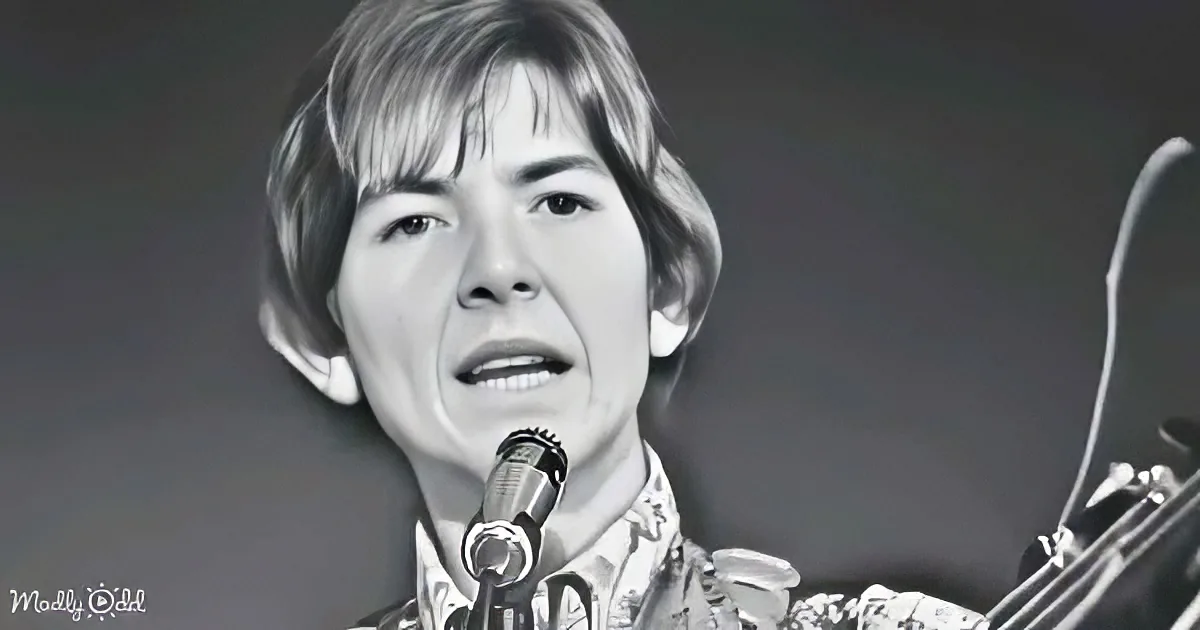
The Small Faces ended by 1969 but morphed into The Faces when Rod Stewart and Ron Wood joined remaining members Ronnie Lane, Kenney Jones, and Mac. They created something equally special. Marriott went on to form Humble Pie with Peter Frampton.
Watch this video of "Itchycoo Park" and share it with your friends because it's a great example of the 60s music ahead of its time.