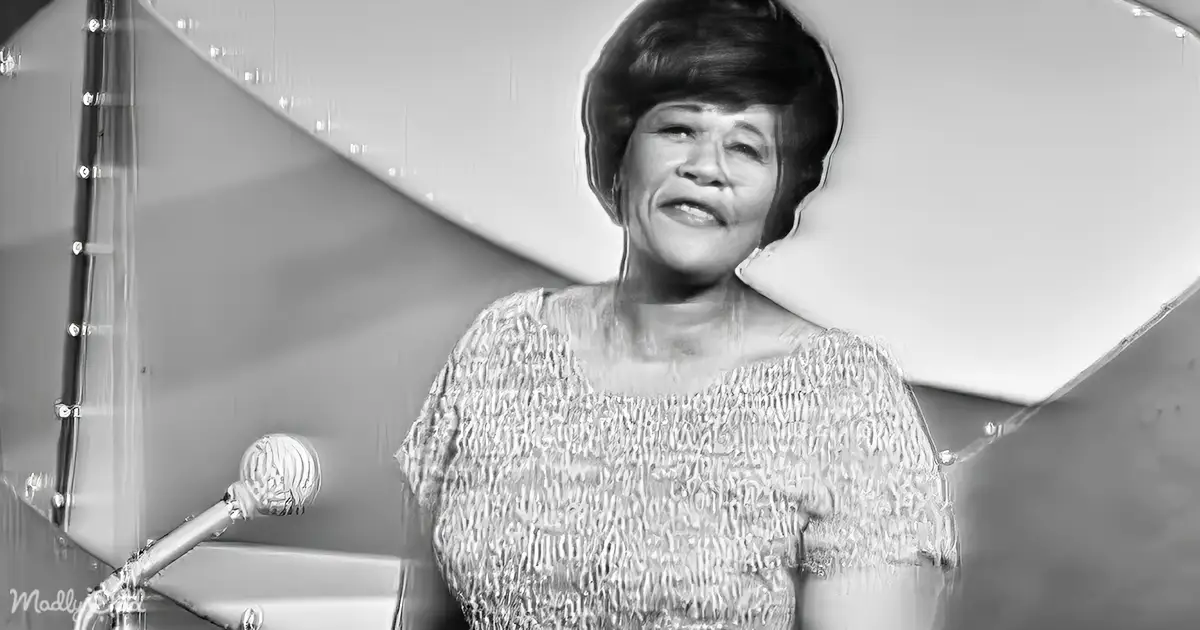

Ella Fitzgerald, known as “The First Lady of Song,” graced the stage with an unforgettable rendition of “Them There Eyes” on The Ed Sullivan Show on February 2, 1964. Her performance showcased not only her iconic vocal range and clear tone but also her mastery of scat singing, wrapped in a presentation of infectious joy and playful delivery.
The song, a lively tune originally penned in 1930 by Maceo Pinkard, Doris Tauber, and William Tracey, was transformed under Fitzgerald’s interpretation. She enhanced the written melody with a vibrant jump blues arrangement, which included a full scat chorus, allowing her playful interaction and bar trading with the band members.
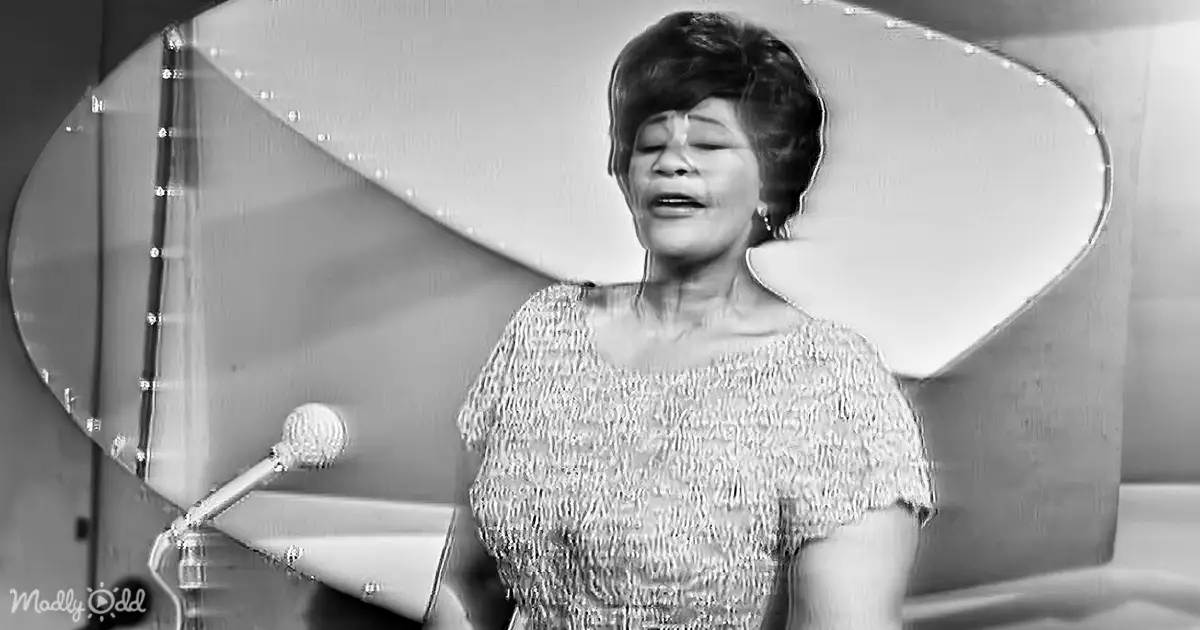
Ella’s appearance on this particular episode of The Ed Sullivan Show was marked by several highlights. The episode featured a briskly paced version of “Them There Eyes,” accompanied by Roy Eldridge on trumpet, which emphasized the song’s lively and spirited essence. Additionally, the performance cleverly introduced a false ending, surprising the audience and leading to an explosion of applause before culminating in a spirited finale.
This performance is a testament to Ella Fitzgerald’s versatility and talent as a jazz vocalist. Her unique approach to phrasing mirrored that of a horn player more than a singer, showcasing her ability to breathe new life and energy into classic compositions while preserving the soul of the original pieces.
Ella Fitzgerald’s legacy as a seminal figure in the jazz world remains undiminished. Her rendition of “Them There Eyes” on The Ed Sullivan Show continues to inspire musicians and captivate music lovers. The enduring charm and charisma of her performances, like this one, serve as timeless reminders of her extraordinary talent.
Ella Fitzgerald’s vibrant performance of “Them There Eyes” is featured on the album Ella and Basie!, a notable collaboration with Count Basie and his orchestra, released in 1963. This album is celebrated for blending Fitzgerald’s expressive vocal style with Basie’s robust big band jazz arrangements. “Them There Eyes” is one of the highlights of the album, showcasing Fitzgerald’s dynamic scat singing and playful interaction with the music, perfectly complemented by Basie’s energetic and rhythmic accompaniment. The album as a whole captures the essence of a remarkable era in jazz, filled with lively performances that continue to resonate with fans of the genre.
Dive Deeper with Ella and Duke: A Night to Remember
The magic of Ella Fitzgerald alongside the legendary Duke Ellington comes alive in their enchanting medley performance on The Ed Sullivan Show on March 7, 1965. Featured in this medley are timeless pieces like “I’m Beginning To See The Light,” “I Got It Bad (And That Ain’t Good),” “Don’t Get Around Much Anymore,” “Mood Indigo,” and “Cottontail.” Observers can witness the seamless blend of Fitzgerald’s vocal finesse with Ellington’s orchestral mastery in this memorable showcase.
This collaborative performance not only highlights their individual brilliance but also underscores their influential roles in shaping jazz music.
Encore Performance: Ella’s Scat Spectacular in “You’ll Have To Swing It (Mr. Paganini)”
Don’t miss Ella Fitzgerald’s brilliant display of vocal artistry in “You’ll Have To Swing It (Mr. Paganini)” during her appearance on The Ed Sullivan Show on April 28, 1968. This performance is a perfect example of her scat singing mastery, filled with rhythm and energy that will keep you captivated.
Ella’s dynamic interaction with the band and her flawless execution of complex scat sequences make this performance a highlight of her career.
Celebrating a Timeless Legacy
Ella Fitzgerald’s performances on The Ed Sullivan Show not only highlight her exceptional talents as a vocalist but also encapsulate the enduring charm and influence she has left on jazz music. Through her collaborations with other jazz legends and her powerful solo acts, Fitzgerald continues to inspire and resonate with audiences around the world. Her ability to transform any song into a vibrant, living piece of art remains unmatched, making each viewing of her performances a precious encounter with musical history.